The Legacy of Bani: A Call to Faithfulness and Reconciliation
“Of the sons of Bani; Maadai, Amram, and Uel,” — Ezra 10:34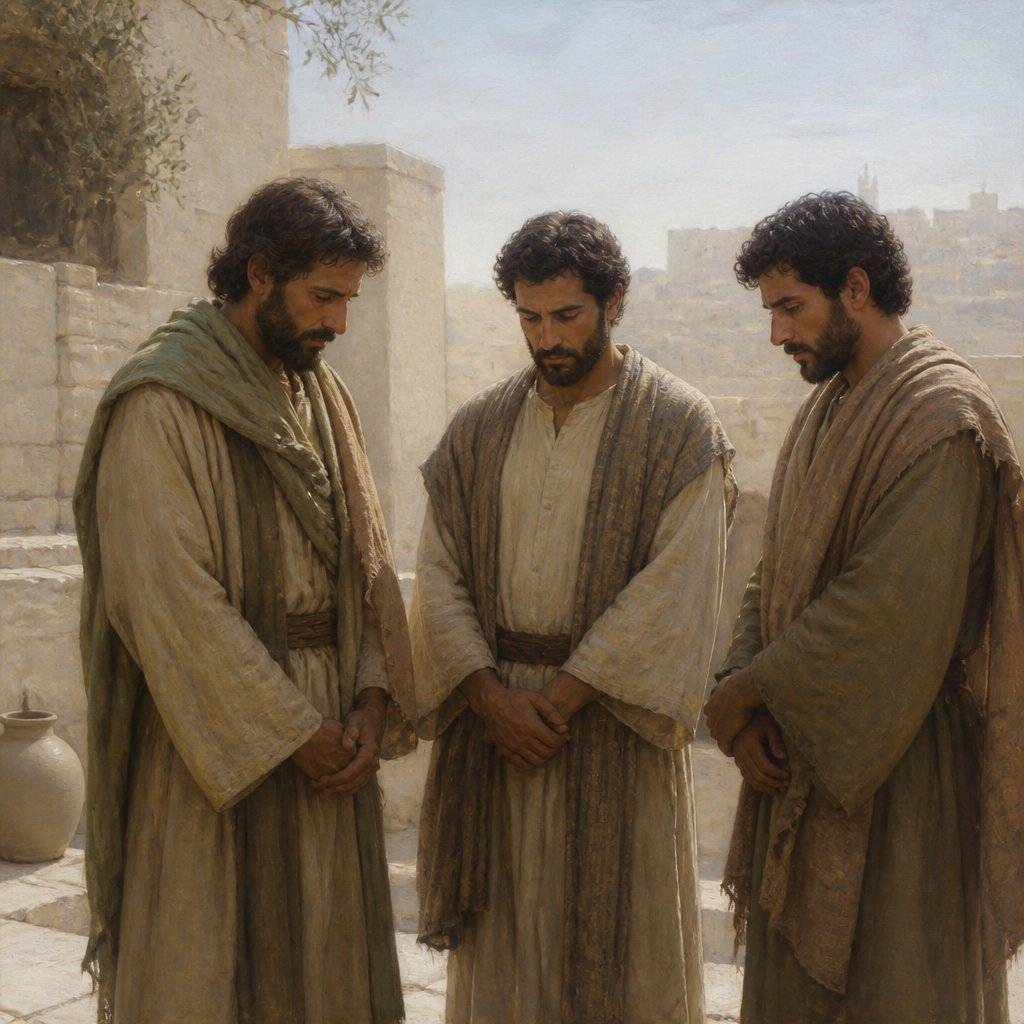
Ezra 10:34 states, "Of the sons of Bani; Maadai, Amram, and Uel." At first glance, this verse may appear to be merely a listing of names, part of a genealogy that is commonplace throughout the Old Testament. However, this verse invites us to reflect on the significance of names and the legacy they carry. Each name represents a life, a story, and a lineage that contributes to the rich tapestry of God’s people.
The context in which Ezra shares this genealogy is essential for our understanding. After decades in exile, the Israelites were returning to Jerusalem, attempting to rebuild not only their city but their identity as a chosen people of God. In Ezra chapter 10, the people were confronted with the dire situation of intermarriage with surrounding nations, which led them away from the commandments of God. Ezra, as a priest and scribe, sought to establish a covenant renewal among the people, leading a confession of sins and calling for a return to the purity of their faith.
When we study the names mentioned in this passage—Maadai, Amram, and Uel—we uncover a truth about faithfulness that transcends time. Each individual, though their stories remain largely hidden from the Scriptures, represents the persistence of God’s covenant through generations. The name Bani, in itself, conveys a meaning of ‘building’ or ‘to build,’ which can symbolize the rebuilding of faith and community among God's people. In our own lives, names often carry the weight of history and heritage.
Names are critical; they identify, shape, and influence who we are. Each name in our lives—whether it be our own or the names of our ancestors—can remind us of our heritage in Christ. Like the sons of Bani, we belong to a spiritual lineage that calls us to remember our roots, our values, and our commitments to God. In a world that often steers us towards division and disunity, the call to remember our shared faith and commitment to God is more potent than ever.
Moreover, the genealogies in Scripture ultimately point us to Christ, the culmination of God’s redemptive plan. Each name is part of a grand story that leads to the fulfillment of God’s promise to His people. Our personal stories, marked by both triumphs and failures, contribute to this ongoing narrative of redemption. Just as the Israelites returned to their roots, we too must seek to return to the foundational truths of our faith, especially in times of difficulty and compromise.
Ezra’s call for the people to separate from the foreign influences that led them astray can be seen as an urgent plea for purity in worship and conduct. For us today, it is a reminder of the importance of maintaining our spiritual integrity. Just as the Israelites needed to be vigilant about their marriages and relationships, we too must be discerning about the influences we allow into our lives—be they friendships, media consumption, or cultural trends that contradict biblical teaching.
Also, the act of naming within this text serves as a reminder of accountability. The sons of Bani were not merely figures of the past; they represent a challenge to us—a challenge to examine our lives, our relationships, and our communities. Are we building spiritual legacies that honor God? Are we living lives that reflect the faith that binds us together as brothers and sisters in Christ?
In conclusion, as we meditate on Ezra 10:34, may we be inspired to reflect on our spiritual heritage and to contribute to a legacy of faithfulness. Let us look to the example of the past as both a warning and a guide toward a deeper commitment to God. Each day offers us the opportunity to build upon the faith we have received, ensuring that we, like the sons of Bani, may honor the name of our Heavenly Father as we walk in obedience and love.
Get our apps


Artwork for Ezra 10:34

Ezra 10:34 - "Of the sons of Bani; Maadai, Amram, and Uel,"

"Of the sons of Bani; Maadai, Amram, and Uel," - Ezra 10:34

Ezra 2:34 - "The children of Jericho, three hundred forty and five."
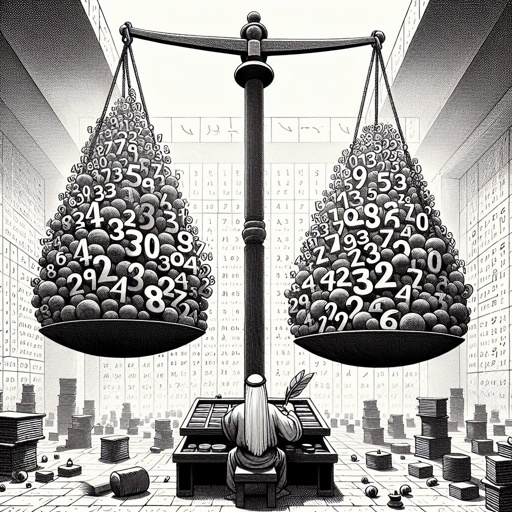
Ezra 8:34 - "By number and by weight of every one: and all the weight was written at that time."

Ezra 10:10-12

Ezra 10:10 - "And Ezra the priest stood up, and said unto them, Ye have transgressed, and have taken strange wives, to increase the trespass of Israel."
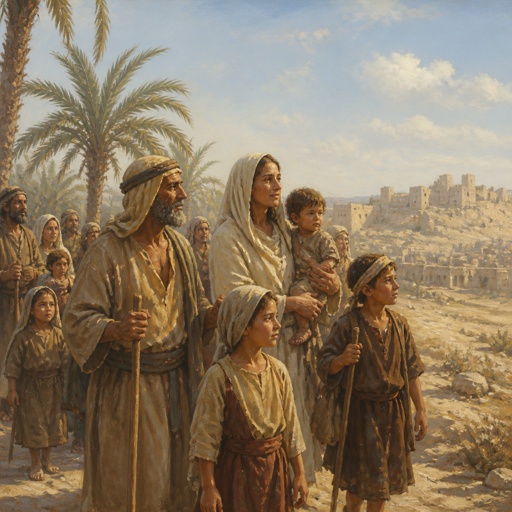
"The children of Jericho, three hundred forty and five." - Ezra 2:34

Ezra 10:3

Ezra 3:10

Ezra 10:3

Ezra 10:5 - "Then arose Ezra, and made the chief priests, the Levites, and all Israel, to swear that they should do according to this word. And they sware."

Ezra 7:10 - "For Ezra had prepared his heart to seek the law of the LORD, and to do it, and to teach in Israel statutes and judgments."

Ezra 10:38 - "And Bani, and Binnui, Shimei,"

Ezra 10:37 - "Mattaniah, Mattenai, and Jaasau,"

Ezra 10:40 - "Machnadebai, Shashai, Sharai,"

Ezra 10:32 - "Benjamin, Malluch, and Shemariah."

Ezra 10:35 - "Benaiah, Bedeiah, Chelluh,"

Ezra 10:41 - "Azareel, and Shelemiah, Shemariah,"

Ezra 10:36 - "Vaniah, Meremoth, Eliashib,"

Ezra 10:42 - "Shallum, Amariah, and Joseph."

Ezra 10:39 - "And Shelemiah, and Nathan, and Adaiah,"

Ezra 10:20 - "And of the sons of Immer; Hanani, and Zebadiah."
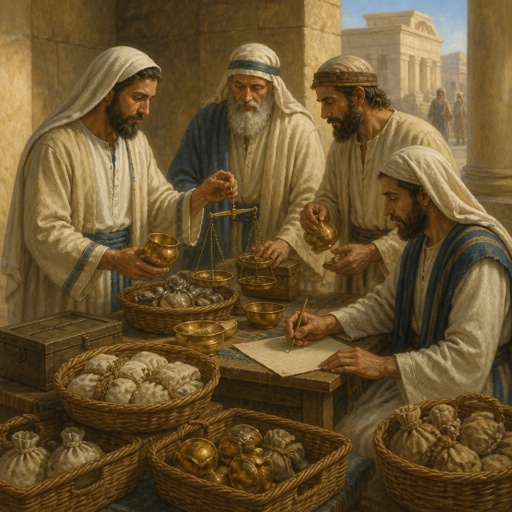
"By number and by weight of every one: and all the weight was written at that time." - Ezra 8:34

Ezra 2:10 - "The children of Bani, six hundred forty and two."

Ezra 10:24 - "Of the singers also; Eliashib: and of the porters; Shallum, and Telem, and Uri."

Ezra 10:21 - "And of the sons of Harim; Maaseiah, and Elijah, and Shemaiah, and Jehiel, and Uzziah."

Ezra 10:31 - "And of the sons of Harim; Eliezer, Ishijah, Malchiah, Shemaiah, Shimeon,"

Ezra 10:28 - "Of the sons also of Bebai; Jehohanan, Hananiah, Zabbai, and Athlai."

"Azareel, and Shelemiah, Shemariah," - Ezra 10:41

"And Bani, and Binnui, Shimei," - Ezra 10:38