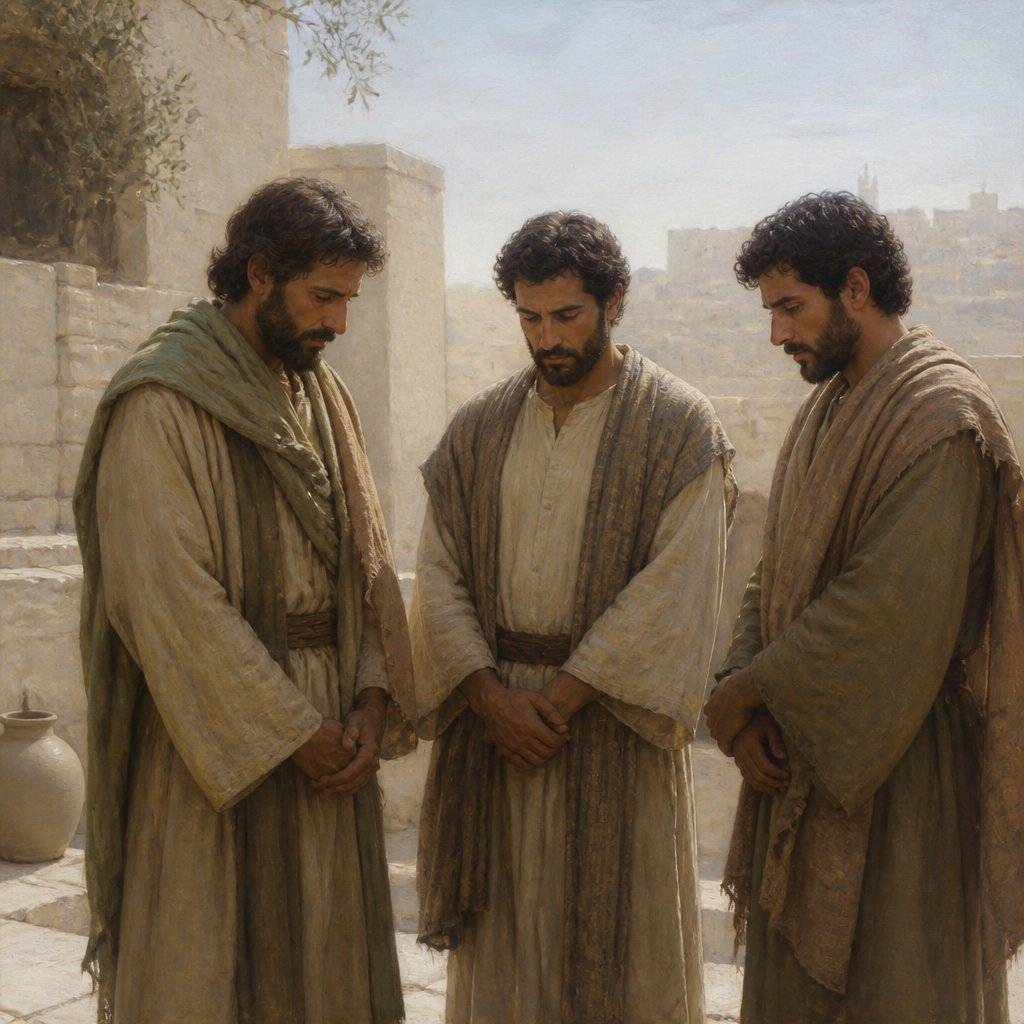
The book of Ezra is a historical account of the Jewish people returning from exile in Babylon to Jerusalem. It records the rebuilding of the temple and the restoration of worship in Jerusalem. The specific verse in question, Ezra 10:34 in the King James Version, reads, "Of the sons of Bani; Maadai, Amram, and Uel." At first glance, this verse may seem insignificant and lacking in profound spiritual meaning. However, when placed in the larger context of the book of Ezra and the Bible as a whole, it carries important themes and symbolism.
In order to fully understand the significance of this verse, it is important to look at the themes and context in which it is situated. The book of Ezra emphasizes the importance of obedience to God, repentance, and the restoration of the people of Israel. It recounts the return of the Jewish exiles to Jerusalem and the rebuilding of the temple under the leadership of Ezra and Nehemiah. Central to this narrative is the theme of repentance and the need for the people to turn back to God and His commandments. This theme of repentance is crucial to understanding the verse in question, as it reflects the continued effort of the returning Israelites to rebuild their lives according to God's will.
The specific names mentioned in Ezra 10:34 - Maadai, Amram, and Uel - may seem obscure and insignificant, but they actually carry symbolic meaning within the larger context of the Bible. In the Bible, names are often used to convey deeper meanings and symbolize aspects of God's character or the spiritual journey of individuals. For example, the name "Maadai" means "habitation" or "ornament," which may symbolize the idea of dwelling in the presence of God and adorning oneself with His character.
Similarly, the name "Amram" means "the people are exalted," which could reflect the exaltation of the people of Israel as they return from exile and seek to obey God's commands. Finally, the name "Uel" means "light of God," which could symbolize the spiritual enlightenment and guidance provided by God as the Israelites seek to rebuild their lives and restore their relationship with Him. Thus, in the context of the larger themes of repentance, restoration, and obedience found in the book of Ezra, the names mentioned in this verse take on deeper symbolic significance.
Furthermore, the placement of this verse within the larger narrative of the book of Ezra is also significant. Ezra 10:34 comes at the conclusion of a list of individuals who had taken foreign wives and were commanded to put them away as part of their repentance and restoration to God. This act of separating from foreign influence symbolizes the need for the Israelites to remain separate and dedicated to God, free from the idolatry and disobedience that had led to their exile in the first place. The specific names mentioned in this verse are part of this larger narrative of separation from foreign influence and the restoration of God's commandments, further emphasizing the symbolic importance of their mention.
In conclusion, while Ezra 10:34 may seem like an inconspicuous and simple verse, it carries deep meaning and significance within the larger context of the book of Ezra and the Bible as a whole. Through the themes of repentance, restoration, and obedience, as well as the symbolic significance of the names mentioned, this verse serves as a reminder of the spiritual journey and dedication of the Israelites to return to God and His commandments. It symbolizes the need for separation from foreign influence and the restoration of God's people. Therefore, even seemingly insignificant verses in the Bible can carry profound spiritual meaning and convey important themes and symbolism.
Get our apps


Artwork for Ezra 10:34

Ezra 10:34 - "Of the sons of Bani; Maadai, Amram, and Uel,"

"Of the sons of Bani; Maadai, Amram, and Uel," - Ezra 10:34

Ezra 2:34 - "The children of Jericho, three hundred forty and five."
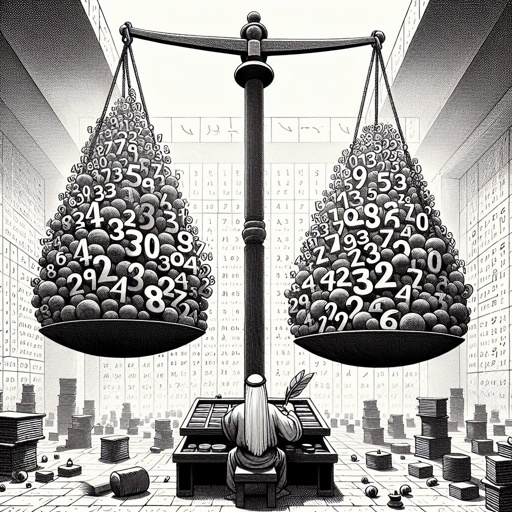
Ezra 8:34 - "By number and by weight of every one: and all the weight was written at that time."

Ezra 10:10-12

Ezra 10:10 - "And Ezra the priest stood up, and said unto them, Ye have transgressed, and have taken strange wives, to increase the trespass of Israel."
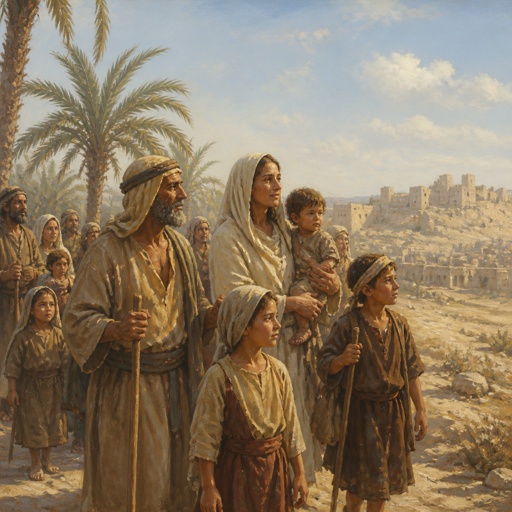
"The children of Jericho, three hundred forty and five." - Ezra 2:34

Ezra 10:3

Ezra 3:10

Ezra 10:3

Ezra 10:5 - "Then arose Ezra, and made the chief priests, the Levites, and all Israel, to swear that they should do according to this word. And they sware."

Ezra 7:10 - "For Ezra had prepared his heart to seek the law of the LORD, and to do it, and to teach in Israel statutes and judgments."

Ezra 10:38 - "And Bani, and Binnui, Shimei,"

Ezra 10:37 - "Mattaniah, Mattenai, and Jaasau,"

Ezra 10:40 - "Machnadebai, Shashai, Sharai,"

Ezra 10:32 - "Benjamin, Malluch, and Shemariah."

Ezra 10:35 - "Benaiah, Bedeiah, Chelluh,"

Ezra 10:41 - "Azareel, and Shelemiah, Shemariah,"

Ezra 10:36 - "Vaniah, Meremoth, Eliashib,"

Ezra 10:42 - "Shallum, Amariah, and Joseph."

Ezra 10:39 - "And Shelemiah, and Nathan, and Adaiah,"

Ezra 10:20 - "And of the sons of Immer; Hanani, and Zebadiah."
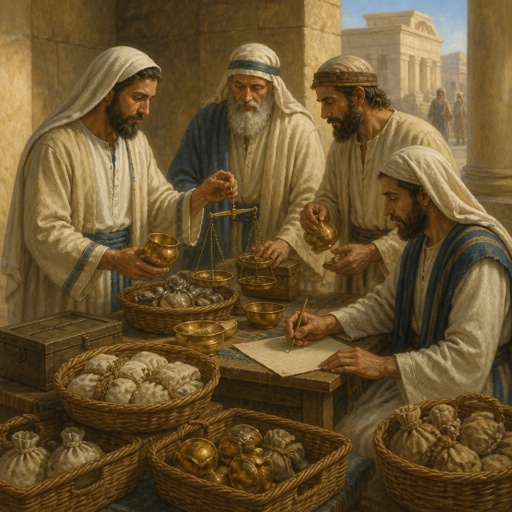
"By number and by weight of every one: and all the weight was written at that time." - Ezra 8:34

Ezra 2:10 - "The children of Bani, six hundred forty and two."

Ezra 10:24 - "Of the singers also; Eliashib: and of the porters; Shallum, and Telem, and Uri."

Ezra 10:21 - "And of the sons of Harim; Maaseiah, and Elijah, and Shemaiah, and Jehiel, and Uzziah."

Ezra 10:31 - "And of the sons of Harim; Eliezer, Ishijah, Malchiah, Shemaiah, Shimeon,"

Ezra 10:28 - "Of the sons also of Bebai; Jehohanan, Hananiah, Zabbai, and Athlai."

"Azareel, and Shelemiah, Shemariah," - Ezra 10:41

"And Bani, and Binnui, Shimei," - Ezra 10:38