Returning to Your Roots: The Faithful Journey of the Men of Beth-el and Ai
“The men of Beth-el and Ai, two hundred twenty and three.” — Ezra 2:28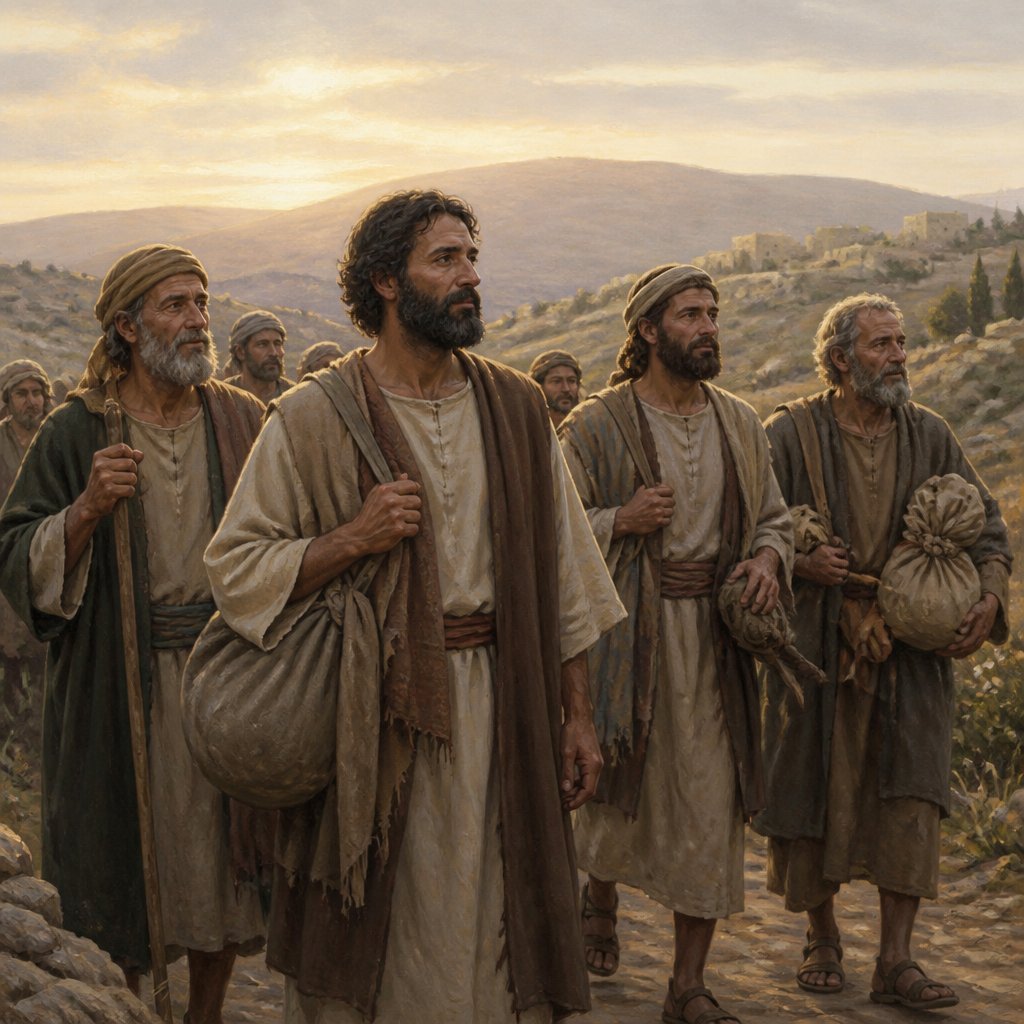
As we dive into the depths of Ezra 2:28, we read, "The men of Beth-el and Ai, two hundred twenty and three." This seemingly simple enumeration serves as a powerful reminder of the importance of roots, faithfulness, and community in our spiritual journeys.
Beth-el and Ai are not just locations on a map; they are steeped in biblical significance. Beth-el, meaning "House of God," was a place of profound encounters with the Divine. It was here that Jacob had a dream of a ladder reaching to heaven, where angels ascended and descended, affirming God's covenant with him (Genesis 28:10-22). Years later, Beth-el became a sanctuary for worship, a source of hope and community for the people of Israel. On the other hand, Ai, which means "Heap of Ruins," marks the memory of Israel's early conquests in the Promised Land and reminds us of the struggles and failures that accompany even the most faithful pursuits.
The return of the men of Beth-el and Ai to Jerusalem is not only a historical account but also a significant symbolic act of reclaiming identity and heritage. The exiles who returned to Jerusalem were coming back to a place that was once flourishing, now ruined but filled with the promise of restoration. Each of these men carried with them not just their physical possessions but also their ancestral legacies, their stories etched in the collective memory of their people. They were going back to rebuild what had been destroyed, to restore the worship of Yahweh, and to establish a community that honored their God.
This passage invites us to reflect on our own journeys of faith. In a world where distractions abound, and the original passions of our faith can seem dull, how do we return to our roots? The men of Beth-el and Ai exemplify the courage to step out from the shadows of their past struggles and embrace the future that God had planned for them. They inspire us to take a moment to evaluate our own spiritual landscapes. What are the ‘Beth-els’ in our lives—those sanctuaries where we encounter God? What are the ‘Ais’—the ruins of our past that call us to confront our failures and learn from them?
In our Christian walk, the act of returning to our roots often requires humility and a willingness to confront uncomfortable truths. The rebuilding of Jerusalem was not just an architectural endeavor; it was a heartfelt effort to reestablish their identity as God’s chosen people. Similarly, for us, the journey might involve returning to the core teachings of scripture, such as love, grace, and forgiveness, even when we find ourselves in the ruins of doubt or despair.
Additionally, we see the importance of community in this verse. The mere numbers—two hundred twenty and three—underscore a collective effort. Faith is seldom a solitary journey; rather, it is enriched through fellowship with others. As we look around our churches, families, and friends, let's not forget to invite others on this journey of returning to God. Just as the men of Beth-el and Ai banded together to rebuild their homeland, we too can support one another in times of restoration, sharing burdens and rejoicing in triumphs.
In conclusion, Ezra 2:28 reminds us that every one of us has the opportunity to return to our spiritual roots. As we reflect on our journeys, let us embody the spirit of the men of Beth-el and Ai, recognizing the importance of community and the significance of going back to the 'House of God.' May we find the strength and courage to rise from the ruins of our past, rebuild our faith, and encourage those around us to do the same.
Get our apps


Artwork for Ezra 2:28
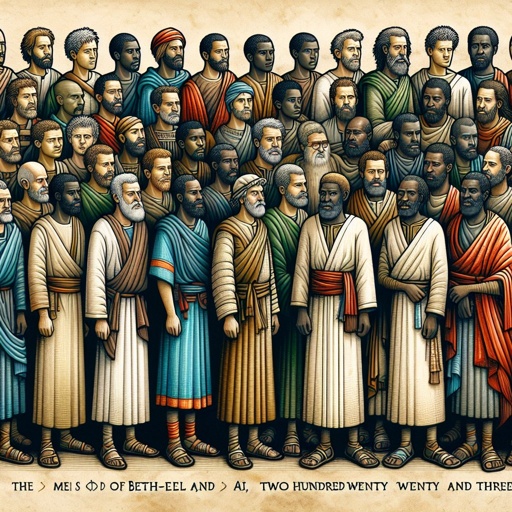
Ezra 2:28 - "The men of Beth-el and Ai, two hundred twenty and three."
"The men of Beth-el and Ai, two hundred twenty and three." - Ezra 2:28

Ezra 2:8 - "The children of Zattu, nine hundred forty and five."

"The children of Zattu, nine hundred forty and five." - Ezra 2:8

Ezra 10:28 - "Of the sons also of Bebai; Jehohanan, Hananiah, Zabbai, and Athlai."
"Of the sons also of Bebai; Jehohanan, Hananiah, Zabbai, and Athlai." - Ezra 10:28

Ezra 3:2

Ezra 3:2

Ezra 3:2

Ezra 3:2

Ezra 3:2

Ezra 9:1-2

Zerubbabel in Ezra chapter 2
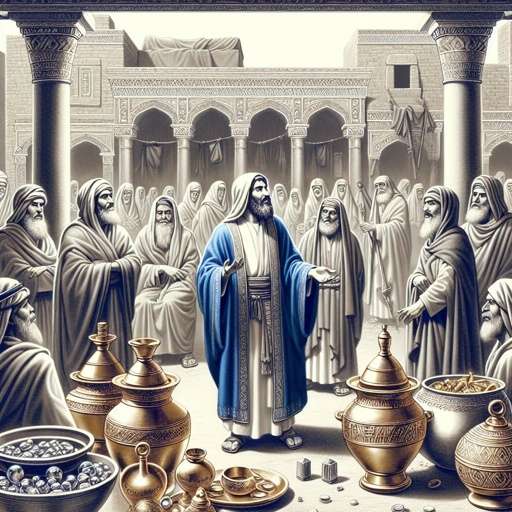
Ezra 8:28 - "And I said unto them, Ye are holy unto the LORD; the vessels are holy also; and the silver and the gold are a freewill offering unto the LORD God of your fathers."

Ezra 2:22 - "The men of Netophah, fifty and six."
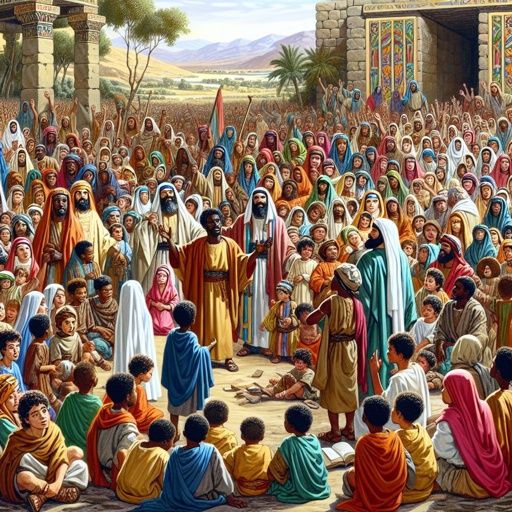
Ezra 2:18 - "The children of Jorah, an hundred and twelve."

Ezra 2:54 - "The children of Neziah, the children of Hatipha."

Ezra 2:20 - "The children of Gibbar, ninety and five."

Ezra 2:24 - "The children of Azmaveth, forty and two."

Ezra 2:39 - "The children of Harim, a thousand and seventeen."

Ezra 9:1-2

Ezra 2:9 - "The children of Zaccai, seven hundred and threescore."

Ezra 2:27 - "The men of Michmas, an hundred twenty and two."

Ezra 2:29 - "The children of Nebo, fifty and two."

Ezra 2:56 - "The children of Jaalah, the children of Darkon, the children of Giddel,"

Ezra 2:11 - "The children of Bebai, six hundred twenty and three."

Ezra 2:53 - "The children of Barkos, the children of Sisera, the children of Thamah,"

Ezra 2:48 - "The children of Rezin, the children of Nekoda, the children of Gazzam,"

Ezra 2:15 - "The children of Adin, four hundred fifty and four."

Ezra 7:2 - "The son of Shallum, the son of Zadok, the son of Ahitub,"