What does Ezra 2:28 mean?
“The men of Beth-el and Ai, two hundred twenty and three.” — Ezra 2:28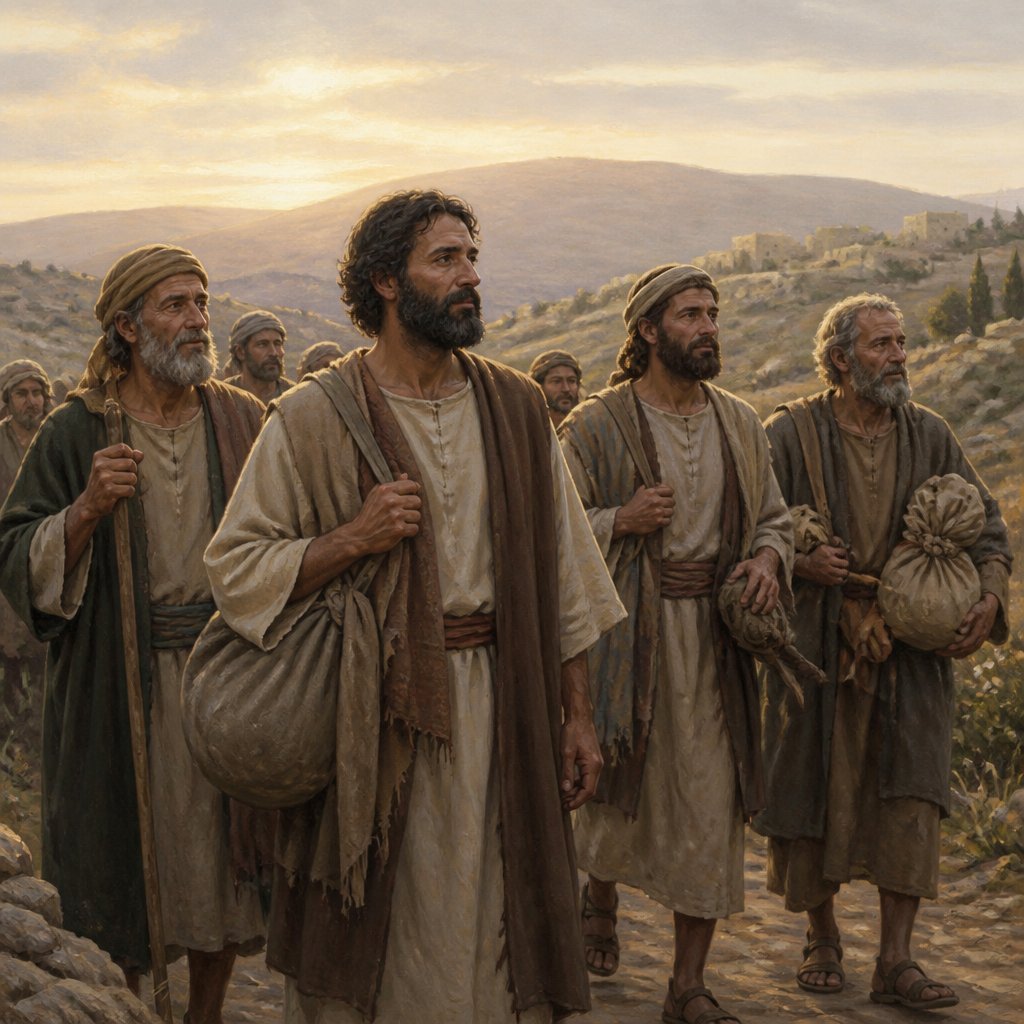
Ezra 2:28 in the King James Version of the Bible reads, "The men of Bethel and Ai, two hundred twenty and three."
This verse is part of a list of the heads of families who returned to Jerusalem from exile in Babylon. The entire chapter of Ezra 2 is a detailed account of the return of the exiles, listing the numbers of people in each tribe and family who returned to Jerusalem. This list serves as a document of the restoration of the people of Israel to their homeland after years of exile, and it also provides a record of the families who were considered part of the community of Jerusalem at that time.
Bethel and Ai were both significant cities in the history of the Israelites. Bethel, which means "house of God," was the place where Jacob had his famous dream of a ladder reaching up to heaven, and where he experienced a profound encounter with God. It also became a center for the worship of false gods and was later destroyed by the Assyrians. Ai was a city that was conquered by the Israelites under Joshua's leadership, and it played a significant role in the early history of Israel's conquest of the Promised Land.
The men of Bethel and Ai, numbering 223, represent a specific group of people who were part of the restoration of Jerusalem. This verse is a reminder that the restoration of the people of Israel was not a vague, general event, but it involved specific individuals, families, and communities. Each person and family had a unique role to play in the rebuilding of Jerusalem and the reestablishment of the Jewish community in their homeland.
The symbolic significance of this verse lies in the idea of restoration and renewal. The return of the exiles to Jerusalem was a momentous event in the history of Israel, marking the end of a period of exile and the beginning of a new era for the Jewish people. This verse serves as a reminder that God is faithful to fulfill His promises and to restore His people, even after a time of hardship and exile. It also exemplifies the idea of community and solidarity, as the restoration of Jerusalem involved the gathering of different families and tribes, each with their own unique history and background, to work together toward a common goal.
In a broader sense, this verse speaks to the theme of God's faithfulness and the idea of renewal and restoration. It serves as a reminder that no matter how dire the circumstances may seem, God is faithful to bring about restoration and renewal for His people. It also emphasizes the importance of community and the contributions of individuals within that community, as each person and family played a role in the restoration of Jerusalem.
In conclusion, Ezra 2:28 is a verse that may seem simple on the surface, but it carries a deep symbolic meaning within the context of the restoration of the exiles to Jerusalem. It serves as a reminder of God's faithfulness, the idea of renewal and restoration, and the importance of community and solidarity. This verse exemplifies the power of God to bring about restoration in the lives of His people and the significance of each individual within the broader community.
Get our apps


Artwork for Ezra 2:28
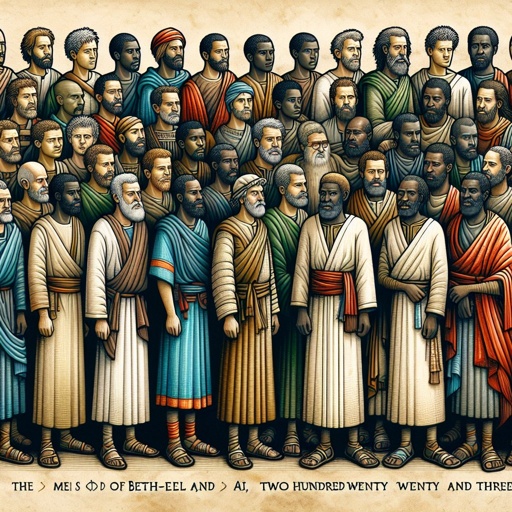
Ezra 2:28 - "The men of Beth-el and Ai, two hundred twenty and three."
"The men of Beth-el and Ai, two hundred twenty and three." - Ezra 2:28

Ezra 2:8 - "The children of Zattu, nine hundred forty and five."

"The children of Zattu, nine hundred forty and five." - Ezra 2:8

Ezra 10:28 - "Of the sons also of Bebai; Jehohanan, Hananiah, Zabbai, and Athlai."
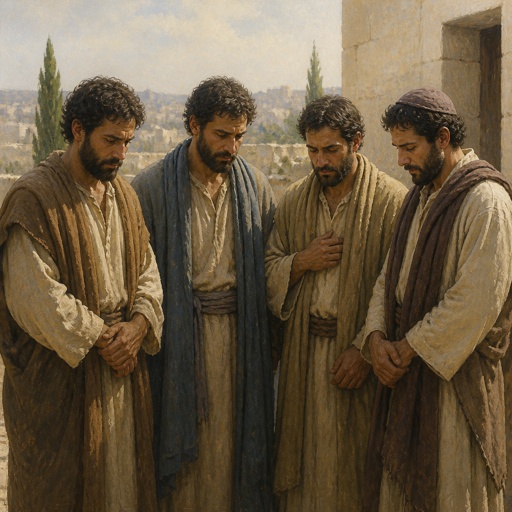
"Of the sons also of Bebai; Jehohanan, Hananiah, Zabbai, and Athlai." - Ezra 10:28

Ezra 3:2

Ezra 3:2

Ezra 3:2

Ezra 3:2

Ezra 3:2

Ezra 9:1-2

Zerubbabel in Ezra chapter 2
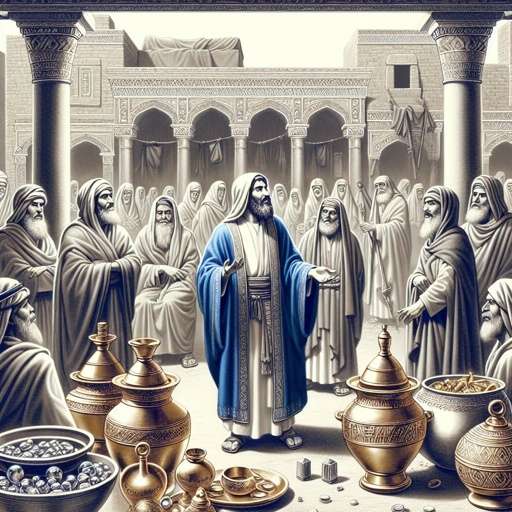
Ezra 8:28 - "And I said unto them, Ye are holy unto the LORD; the vessels are holy also; and the silver and the gold are a freewill offering unto the LORD God of your fathers."

Ezra 2:22 - "The men of Netophah, fifty and six."
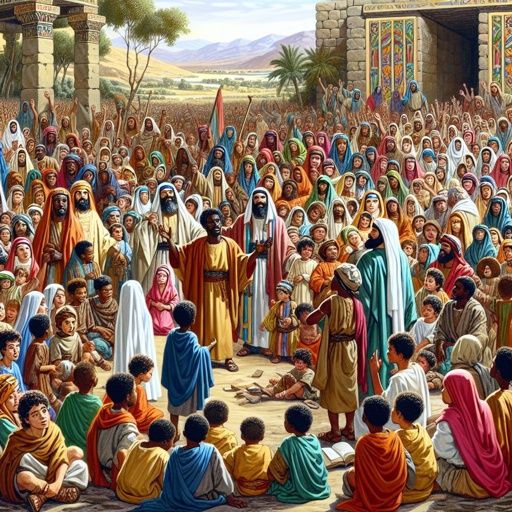
Ezra 2:18 - "The children of Jorah, an hundred and twelve."

Ezra 2:54 - "The children of Neziah, the children of Hatipha."

Ezra 2:20 - "The children of Gibbar, ninety and five."

Ezra 2:24 - "The children of Azmaveth, forty and two."

Ezra 2:39 - "The children of Harim, a thousand and seventeen."

Ezra 9:1-2

Ezra 2:9 - "The children of Zaccai, seven hundred and threescore."

Ezra 2:27 - "The men of Michmas, an hundred twenty and two."

Ezra 2:29 - "The children of Nebo, fifty and two."

Ezra 2:56 - "The children of Jaalah, the children of Darkon, the children of Giddel,"

Ezra 2:11 - "The children of Bebai, six hundred twenty and three."

Ezra 2:53 - "The children of Barkos, the children of Sisera, the children of Thamah,"

Ezra 2:48 - "The children of Rezin, the children of Nekoda, the children of Gazzam,"

Ezra 2:15 - "The children of Adin, four hundred fifty and four."

Ezra 7:2 - "The son of Shallum, the son of Zadok, the son of Ahitub,"