Restoration Through Recollection: The Legacy of Names in Ezra 2:45
“The children of Lebanah, the children of Hagabah, the children of Akkub,” — Ezra 2:45
When we delve into the book of Ezra, we encounter a profound narrative of restoration, renewal, and repatriation. Ezra 2:45 reads: "The children of Lebanah, the children of Hagabah, the children of Akkub." At first glance, this verse may seem like a mere list of names. However, within these names lies a rich tapestry that speaks to God's faithfulness and the importance of community, identity, and heritage during times of rebuilding.
The context of this verse is critical for understanding its significance. The Israelites, who were once in exile, were returning to Jerusalem after decades away from their homeland. They came back not just individuals, but as a community bound by shared history and collective dreams. In capturing the names of families and their descendants—each name representing a story, a life lived in relationship with God and each other—Ezra beautifully portrays the heart of God's plan. Each name signifies a strand in the greater fabric of Israel, affirming that no one's journey is insignificant in God's economy.
Consider the name "Lebanah". This name means "white," suggestive of purity or illumination. In the context of a people returning to restore their temple and their worship, the name reflects a call to purity in heart and spirit. The returning exiles were not just rebuilding physical walls; they were called to restore their relationship with God. Today, we can ask ourselves: How are we restoring purity in our worship? Are we coming back to the Father with hearts that seek His light?
Next, we reflect on "Hagabah," meaning "to be elevated or to ascend." This name speaks to the spiritual ascent that accompanies returning to one's roots. As we read these names, we are reminded that the act of returning to our faith, to our community, and to God requires an elevation of spirit. When we reconnect with our spiritual ancestors, drinking from the well of their faith, we, too, find great strength and elevation in our walk with God. The act of recollection and reverence for those who have gone before us can empower us to ascend in our faith and purpose. In moments of uncertainty, we might ask ourselves, what do the stories of our spiritual forefathers teach us about faithfulness and perseverance?
Finally, we reflect on the name "Akkub," which means "to trip, to overreach". It's a reminder that while the journey home may hold challenges, we will also encounter missteps along the way. The Israelites faced many difficulties upon their return, but their resolve to rebuild was rooted in unity and a collective commitment to God. Their return was not merely a geographical relocation; it was a return to their identity as God's chosen people. Similarly, as we navigate our lives, it’s essential to remember that although we may stumble, God's grace allows us to get back up, learn from our experiences, and continue on our journey.
As we consider Ezra 2:45, let us honor the legacy of those who came before us—their stories, their struggles, and their triumphs. Their lineage reminds us that we are part of a larger narrative, a divine plan that transcends time and space. It beckons each one of us to engage in renewal and hope. In our communities, let us take the time to get to know each other’s stories, acknowledging the unique callings and paths formed through God's hand.
In conclusion, while the genealogies and lists in the Bible may sometimes seem tedious, they are rich with meaning and significance. They remind us of the importance of remembrance, the strength in unity, and the beauty of heritage. As we reflect on our own lives, let us ask God to show us the ways we can contribute to our communities, honor our spiritual ancestors, and find purpose even in the challenges we face, all under the sovereign care of our Creator.
Get our apps


Artwork for Ezra 2:45

Ezra 2:45 - "The children of Lebanah, the children of Hagabah, the children of Akkub,"

"The children of Lebanah, the children of Hagabah, the children of Akkub," - Ezra 2:45

Isaiah 45:2

daniel 2:31-45

Ezra 3:2

Ezra 3:2

Ezra 3:2

daniel 2:31-45

daniel 2:31-45

Ezra 3:2

Ezra 3:2

Ezra 9:1-2

Zerubbabel in Ezra chapter 2

Ezra 2:22 - "The men of Netophah, fifty and six."
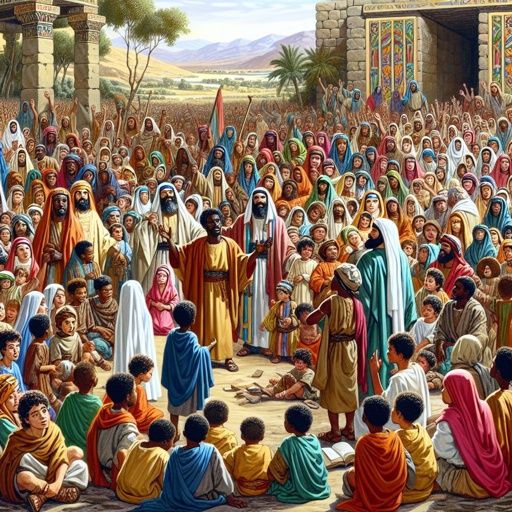
Ezra 2:18 - "The children of Jorah, an hundred and twelve."

Ezra 2:54 - "The children of Neziah, the children of Hatipha."

Ezra 2:20 - "The children of Gibbar, ninety and five."

Ezra 2:24 - "The children of Azmaveth, forty and two."

Ezra 2:39 - "The children of Harim, a thousand and seventeen."

Genesis 45:2 - "And he wept aloud: and the Egyptians and the house of Pharaoh heard."

Ezra 9:1-2

Ezra 2:9 - "The children of Zaccai, seven hundred and threescore."

Ezra 2:27 - "The men of Michmas, an hundred twenty and two."

Ezra 2:29 - "The children of Nebo, fifty and two."

1 Chronicles 2:45 - "And the son of Shammai was Maon: and Maon was the father of Beth-zur."

Ezra 2:56 - "The children of Jaalah, the children of Darkon, the children of Giddel,"

Ezra 2:11 - "The children of Bebai, six hundred twenty and three."

Ezra 2:53 - "The children of Barkos, the children of Sisera, the children of Thamah,"

Ezra 2:48 - "The children of Rezin, the children of Nekoda, the children of Gazzam,"

Ezra 2:15 - "The children of Adin, four hundred fifty and four."