What does Ezra 2:45 mean?
“The children of Lebanah, the children of Hagabah, the children of Akkub,” — Ezra 2:45
Ezra 2:45 (KJV) reads, "The sons of Lebanah, the sons of Hagabah, the sons of Akkub." This verse is a part of a list of names of the heads of families who returned to Jerusalem from the Babylonian exile. The entire chapter of Ezra 2 consists of a detailed account of the number of people who returned from exile, organized by family and ancestry.
The book of Ezra is a historical and religious text that details the story of the Israelites' return from exile in Babylon and the rebuilding of the temple in Jerusalem. In this particular verse, the names mentioned - Lebanah, Hagabah, and Akkub - are the heads of families who played a role in the restoration and rebuilding of Jerusalem and its religious life.
One of the key themes in this verse and throughout the book of Ezra is the faithfulness and providence of God. The entire story is centered around the fulfillment of God's promise to restore the Israelites to their homeland after years of exile. The mention of these names, while seemingly insignificant, serves to highlight the faithfulness of God in remembering and preserving the families of the Israelites, despite the trials and challenges they faced in exile.
Another important theme in this verse is the idea of identity and heritage. The painstaking detail in which the names and families are recorded in Ezra 2 underscores the importance of lineage and ancestry in the biblical narrative. This emphasis on ancestry serves as a reminder of the Israelites' unique identity as the chosen people of God, and the significance of their history and heritage in the divine plan.
Furthermore, the mention of these specific names may also carry symbolic significance. In biblical literature, names often hold deeper meanings and connections to the larger narrative. The name Lebanah, for example, means "white" or "incense," which can be seen as a symbol of purity and worship. Hagabah means "locust," which could symbolize both destruction and restoration, as locusts are often associated with devastation in the Bible. Lastly, Akkub means "insidious" or "crooked," which might symbolize the sinful nature of humanity and the need for redemption.
In a broader historical and cultural context, the return of the Israelites from exile and the rebuilding of Jerusalem were crucial events in the shaping of Jewish identity and religious practice. The detailed account of the families and individuals who returned highlights the communal aspect of faith and the importance of collective restoration and worship.
Additionally, the meticulous record-keeping in this verse and throughout the book of Ezra reflects the importance of documentation and historical memory in the biblical tradition. The preservation of these names and lineages serves as a testament to the endurance and continuity of the Jewish people, despite the challenges and trials they faced in exile.
In conclusion, Ezra 2:45 may seem like a simple list of names, but it holds deep significance within the broader themes and context of the biblical narrative. It serves as a reminder of the faithfulness and providence of God, the importance of ancestry and heritage, and the communal nature of faith and restoration. These themes continue to resonate with believers today, serving as a source of inspiration and affirmation of God's enduring presence in the lives of his people.
Get our apps


Artwork for Ezra 2:45

Ezra 2:45 - "The children of Lebanah, the children of Hagabah, the children of Akkub,"

"The children of Lebanah, the children of Hagabah, the children of Akkub," - Ezra 2:45

Isaiah 45:2

daniel 2:31-45

Ezra 3:2

Ezra 3:2

Ezra 3:2

daniel 2:31-45

daniel 2:31-45

Ezra 3:2

Ezra 3:2

Ezra 9:1-2

Zerubbabel in Ezra chapter 2

Ezra 2:22 - "The men of Netophah, fifty and six."
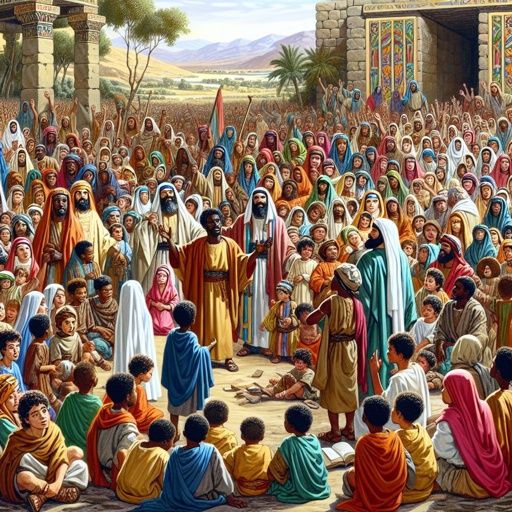
Ezra 2:18 - "The children of Jorah, an hundred and twelve."

Ezra 2:54 - "The children of Neziah, the children of Hatipha."

Ezra 2:20 - "The children of Gibbar, ninety and five."

Ezra 2:24 - "The children of Azmaveth, forty and two."

Ezra 2:39 - "The children of Harim, a thousand and seventeen."

Genesis 45:2 - "And he wept aloud: and the Egyptians and the house of Pharaoh heard."

Ezra 9:1-2

Ezra 2:9 - "The children of Zaccai, seven hundred and threescore."

Ezra 2:27 - "The men of Michmas, an hundred twenty and two."

Ezra 2:29 - "The children of Nebo, fifty and two."

1 Chronicles 2:45 - "And the son of Shammai was Maon: and Maon was the father of Beth-zur."

Ezra 2:56 - "The children of Jaalah, the children of Darkon, the children of Giddel,"

Ezra 2:11 - "The children of Bebai, six hundred twenty and three."

Ezra 2:53 - "The children of Barkos, the children of Sisera, the children of Thamah,"

Ezra 2:48 - "The children of Rezin, the children of Nekoda, the children of Gazzam,"

Ezra 2:15 - "The children of Adin, four hundred fifty and four."