Restoration and Identity in Community
“The children of Asnah, the children of Mehunim, the children of Nephusim,” — Ezra 2:50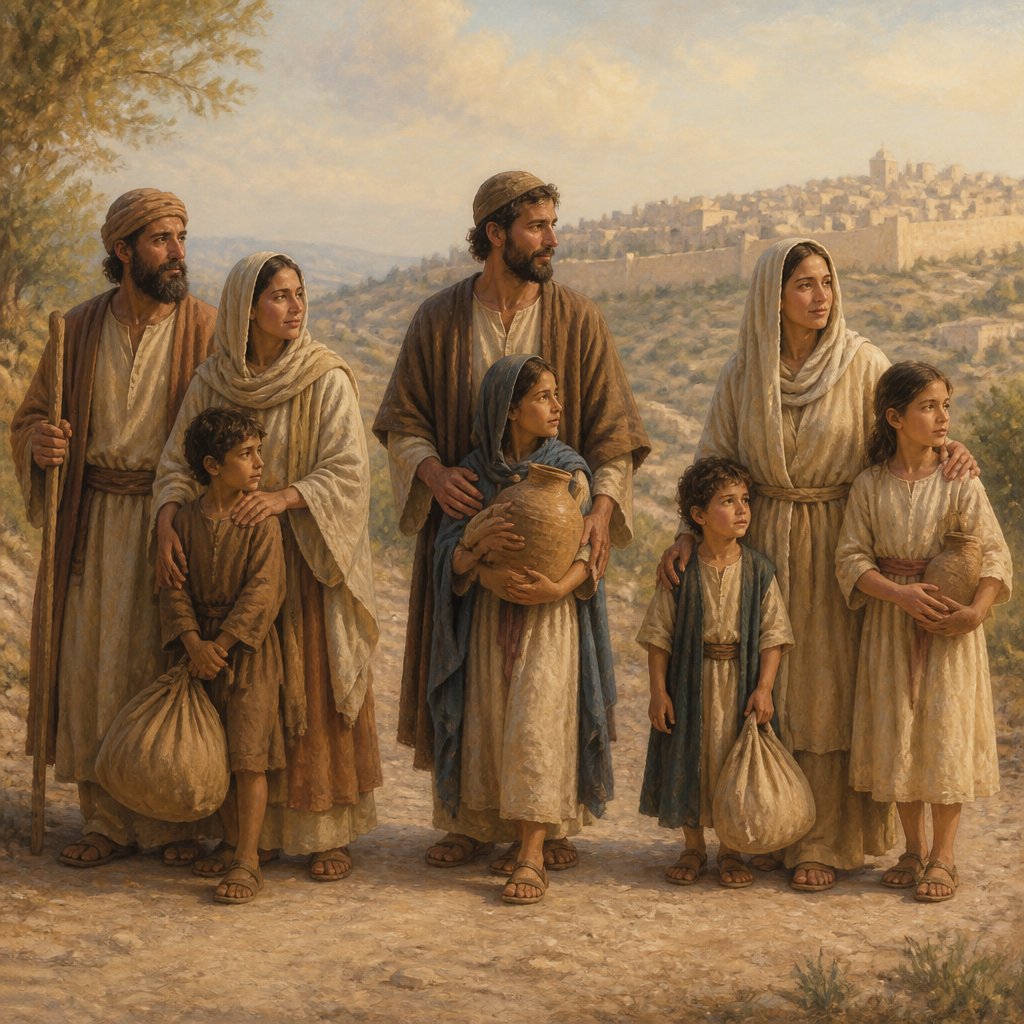
As we delve into the depths of Scripture, the verse from Ezra 2:50 states, “The children of Asnah, the children of Mehunim, the children of Nephusim,” a seemingly obscure passage that speaks volumes about identity, community, and the process of restoration. One pivotal theme that arises from this verse is the importance of belonging to a community, especially in a time marked by exile and transition.
In the context of the Book of Ezra, we witness the heart of a people returning from Babylonian captivity to their homeland, Jerusalem. This was not merely a physical return; it was a profound spiritual and emotional restoration of a community that had been torn apart. As we dissect the names listed in this verse, we start to recognize that they represent not just families but a collective identity. Each name carries the weight of history, of stories, and of the heritage that came before them.
Ancestors like those of the children of Asnah, Mehunim, and Nephusim had likely endured immense trials. Names may fade from memory with time, but the experiences, trials, and victories associated with them serve to create a mosaic of community. God had not forgotten them. Our personal stories may be different, yet the significance of our names and our heritage holds meaning and value in God’s grand design.
In a world that often urges us toward individualism, the narrative in Ezra calls us back to the understanding that we are part of something greater. We are not simply isolated beings; we are woven into the fabric of a community defined by our shared faith and collective identity as children of God. Just as the Israelites were counted and acknowledged in the rebuilding process, we too must recognize that in the body of Christ, each believer plays a significant role. Paul emphasizes in 1 Corinthians 12:27, "Now ye are the body of Christ, and members in particular." Every community member, every ‘child’ of God, though distinctly identified, contributes to the fullness of the body.
Each name in Ezra's list stands as a testament to the intricate work of God restoring His people, reminding us that He sees us even when we feel insignificant or overlooked. The children of Asnah, Mehunim, and Nephusim indicate not just survival but a revival—a calling back to purpose after a time of dispersion. The same pattern can be traced in our lives. God doesn’t just care for our individual journeys; He is passionately concerned with the collective mission we share as His followers.
As we reflect on our own lives, we might feel fragmented, much like the Israelites returning to a city in ruins. However, God intricately weaves our experiences—the trials, the triumphs, the losses, and the re-gathering—into a larger narrative of redemption and restoration. Times of grief or loss can feel isolating, but scripture reminds us to look toward the community for strength. Hebrews 10:24-25 encourages us to “consider one another to provoke unto love and to good works: Not forsaking the assembling of ourselves together,” urging us to find solace and encouragement among our fellow believers.
Rebuilding is often chaotic and messy, but it is through community that we find healing. Much like the families listed, we are called to come together, to pool our resources, and to rely on one another. Together, we not only revive our identities but also reaffirm our collective mission to reach others with the love of Christ.
In conclusion, Ezra 2:50 serves as a reminder of the power of community. The restoration and identity found among the children of Asnah, Mehunim, and Nephusim are echoed in our lives today. As we acknowledge our heritage in Christ, let us also commit to building one another up, sharing in each other's stories, and continuing the work of restoration that God has called us to. May we hold fast to the truth that in the midst of rebuilding, our identity shines brightly when we stand together—united in faith, hope, and love.
Get our apps


Artwork for Ezra 2:50
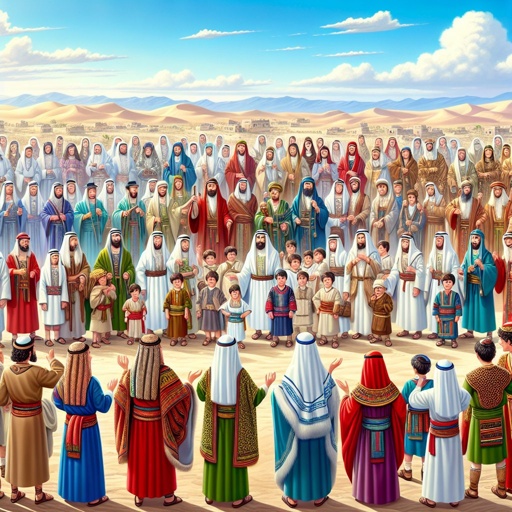
Ezra 2:50 - "The children of Asnah, the children of Mehunim, the children of Nephusim,"
"The children of Asnah, the children of Mehunim, the children of Nephusim," - Ezra 2:50

Ezra 3:2

Ezra 3:2

Ezra 3:2

Psalms 50:2 - "Out of Zion, the perfection of beauty, God hath shined."

Luke 2:50 - "And they understood not the saying which he spake unto them."

Ezra 3:2

Ezra 3:2

Ezra 9:1-2

Zerubbabel in Ezra chapter 2

Ezra 2:22 - "The men of Netophah, fifty and six."
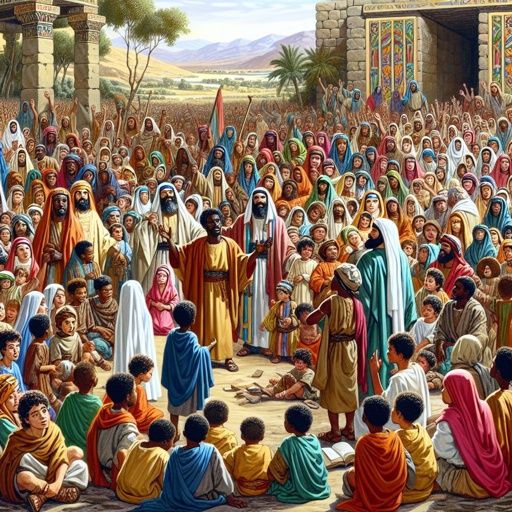
Ezra 2:18 - "The children of Jorah, an hundred and twelve."

Ezra 2:54 - "The children of Neziah, the children of Hatipha."

Ezra 2:20 - "The children of Gibbar, ninety and five."

Ezra 2:24 - "The children of Azmaveth, forty and two."

Ezra 2:39 - "The children of Harim, a thousand and seventeen."

Ezra 9:1-2

Ezra 2:9 - "The children of Zaccai, seven hundred and threescore."

Ezra 2:27 - "The men of Michmas, an hundred twenty and two."

Ezra 2:29 - "The children of Nebo, fifty and two."

Ezra 2:56 - "The children of Jaalah, the children of Darkon, the children of Giddel,"

Ezra 2:11 - "The children of Bebai, six hundred twenty and three."

Ezra 2:53 - "The children of Barkos, the children of Sisera, the children of Thamah,"

Ezra 2:48 - "The children of Rezin, the children of Nekoda, the children of Gazzam,"

Ezra 2:15 - "The children of Adin, four hundred fifty and four."

Ezra 7:2 - "The son of Shallum, the son of Zadok, the son of Ahitub,"

Ezra 2:21 - "The children of Beth-lehem, an hundred twenty and three."

Ezra 2:45 - "The children of Lebanah, the children of Hagabah, the children of Akkub,"

Ezra 2:49 - "The children of Uzza, the children of Paseah, the children of Besai,"