What does Ezra 2:50 mean?
“The children of Asnah, the children of Mehunim, the children of Nephusim,” — Ezra 2:50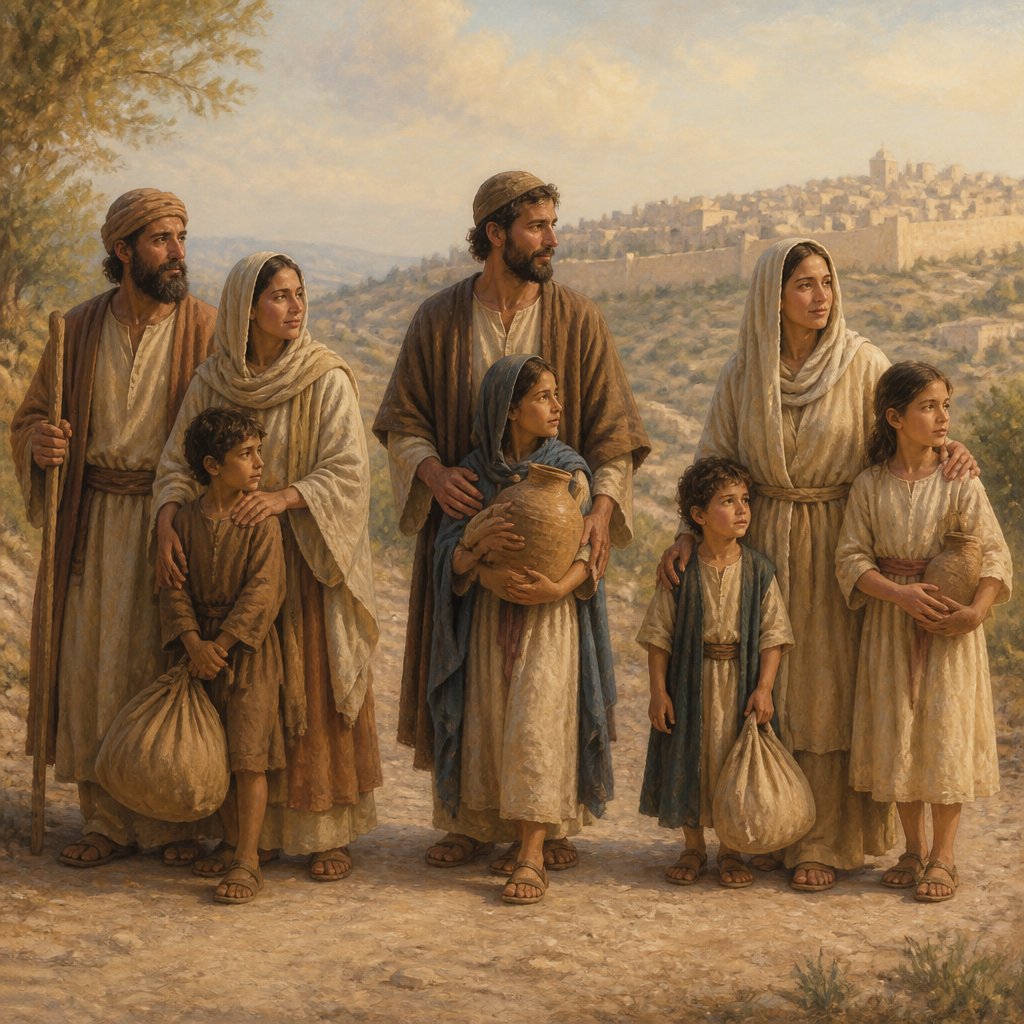
Ezra 2:50 (KJV):
"The children of Barkos, the children of Sisera, the children of Tamah,"
The book of Ezra is a historical account of the exiled Jewish people returning to their homeland after the Babylonian captivity. The verse Ezra 2:50 is part of a list of the heads of families who were among those returning to Israel. The context of this verse is one of restoration, as the exiles are coming back to rebuild Jerusalem and reestablish their way of life.
In order to understand the deeper meaning and commentary of this verse, it is important to look at the names and their significance.
First, the name "Barkos" is of unknown origin and meaning. It may have had significance to the people of that time, but its exact meaning has been lost to history. However, it is important to note that the mention of this name demonstrates the meticulous nature of the genealogical records being kept. The fact that even seemingly insignificant names are recorded highlights the importance of lineage and family in the Jewish culture.
Next, the name "Sisera" has much more significance. In the book of Judges, Sisera was a commander of the Canaanite army who was defeated by the Israelite general Barak. Sisera's defeat is attributed to the leadership of the prophetess Deborah and the courage of a woman named Jael, who killed Sisera while he slept. The inclusion of the name Sisera in the genealogical records may serve to remind the returning exiles of their history and the victories that their ancestors had achieved with the help of God.
Finally, the name "Tamah" also has biblical significance. In the book of Joshua, Tamah is identified as one of the cities allotted to the tribe of Simeon. This connection to a specific location within the Promised Land would have held great significance for the returning exiles, as they sought to reclaim their ancestral inheritance.
In addition to the specific names mentioned in the verse, the overall theme of restoration and rebuilding is present throughout the book of Ezra. The return of the exiles to Israel represented a new beginning for the Jewish people. They were given the opportunity to rebuild their society, their religious practices, and their relationships with God. The meticulous recording of the families and their lineages served to reinforce the continuity of Jewish identity and the faithfulness of God to His people.
Symbolically, this verse can be seen as a reminder of God's faithfulness and the continuity of His plan throughout history. The inclusion of seemingly mundane details in the genealogical records demonstrates the care with which God oversees His people and the importance of every individual within the larger narrative of salvation.
Overall, Ezra 2:50 serves as a testament to the meticulous nature of the biblical record-keeping, as well as a reminder of the significance of individual names and families within the larger context of God's plan for His people. It also underscores the themes of restoration, faithfulness, and continuity that are present throughout the book of Ezra and the broader biblical narrative.
Get our apps


Artwork for Ezra 2:50
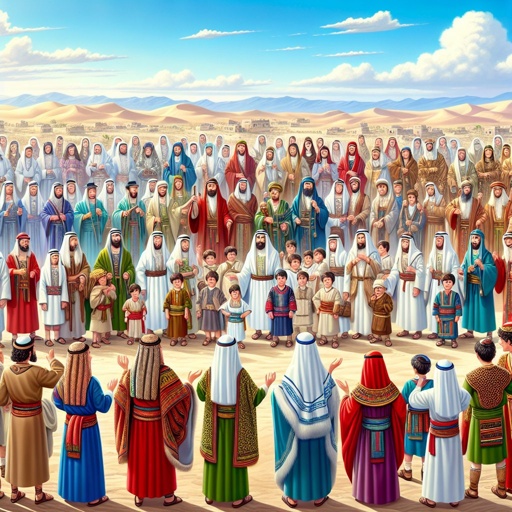
Ezra 2:50 - "The children of Asnah, the children of Mehunim, the children of Nephusim,"
"The children of Asnah, the children of Mehunim, the children of Nephusim," - Ezra 2:50

Ezra 3:2

Ezra 3:2

Ezra 3:2

Psalms 50:2 - "Out of Zion, the perfection of beauty, God hath shined."

Luke 2:50 - "And they understood not the saying which he spake unto them."

Ezra 3:2

Ezra 3:2

Ezra 9:1-2

Zerubbabel in Ezra chapter 2

Ezra 2:22 - "The men of Netophah, fifty and six."
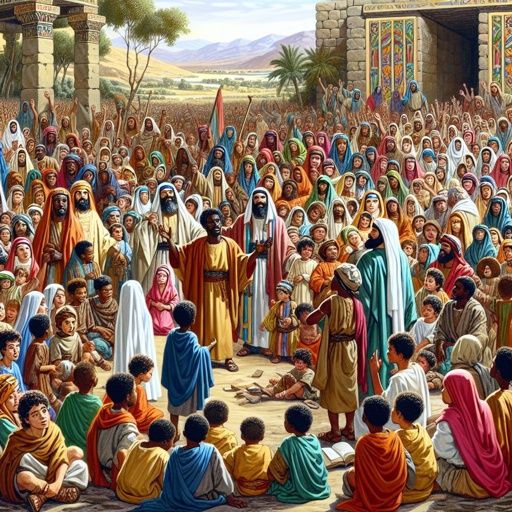
Ezra 2:18 - "The children of Jorah, an hundred and twelve."

Ezra 2:54 - "The children of Neziah, the children of Hatipha."

Ezra 2:20 - "The children of Gibbar, ninety and five."

Ezra 2:24 - "The children of Azmaveth, forty and two."

Ezra 2:39 - "The children of Harim, a thousand and seventeen."

Ezra 9:1-2

Ezra 2:9 - "The children of Zaccai, seven hundred and threescore."

Ezra 2:27 - "The men of Michmas, an hundred twenty and two."

Ezra 2:29 - "The children of Nebo, fifty and two."

Ezra 2:56 - "The children of Jaalah, the children of Darkon, the children of Giddel,"

Ezra 2:11 - "The children of Bebai, six hundred twenty and three."

Ezra 2:53 - "The children of Barkos, the children of Sisera, the children of Thamah,"

Ezra 2:48 - "The children of Rezin, the children of Nekoda, the children of Gazzam,"

Ezra 2:15 - "The children of Adin, four hundred fifty and four."

Ezra 7:2 - "The son of Shallum, the son of Zadok, the son of Ahitub,"

Ezra 2:21 - "The children of Beth-lehem, an hundred twenty and three."

Ezra 2:45 - "The children of Lebanah, the children of Hagabah, the children of Akkub,"

Ezra 2:49 - "The children of Uzza, the children of Paseah, the children of Besai,"