The Weight of Authority: Lessons from Ezra 4:20
“There have been mighty kings also over Jerusalem, which have ruled over all countries beyond the river; and toll, tribute, and custom, was paid unto them.” — Ezra 4:20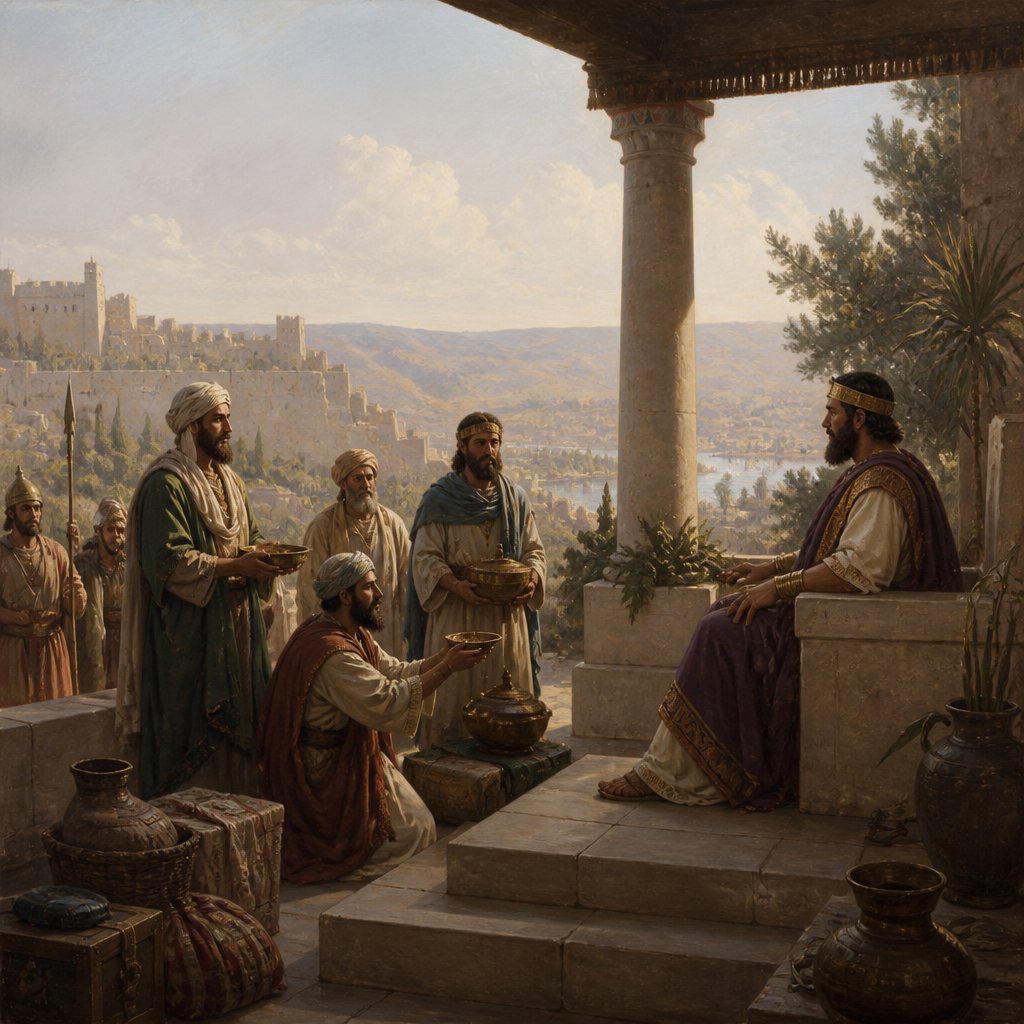
In the Book of Ezra, we find a narrative rich with themes of restoration, authority, and the challenges of rebuilding both a temple and a community. Among its many verses, Ezra 4:20 stands out as a verse that speaks poignantly to the power and influence of earthly rulers. The verse states, "There have been mighty kings also over Jerusalem, which have ruled over all countries beyond the river; and toll, tribute, and custom was paid unto them."
As we unpack this scripture, we are met with a historical context that is essential for understanding its implications. Ezra, a priest and scribe, chronicled the return of the Jewish exiles from Babylon and their efforts to rebuild the temple in Jerusalem. This rebuilding was not without opposition; the Jews faced numerous challenges from neighboring peoples who sought to undermine their efforts. In mentioning the mighty kings who once ruled over Jerusalem, Ezra acknowledges a legacy of power and governance that has influenced the region for centuries.
The phrase "mighty kings" evokes thoughts of strength and authority. These kings, long past, commanded respect and reverence, ruling countries far beyond their immediate territories. The mention of "toll, tribute, and custom" points to the economic systems that these rulers established, underlining how wealth and power were intricately intertwined. It raises questions about the nature of authority and the responsibilities tied to it.
From a spiritual perspective, the mention of these kings offers a dual lens through which to view our faith and the structures of power that govern our lives. On one hand, we recognize that God is ultimately sovereign over all the earth—He is the true King above every king, and His authority is everlasting. Yet, on the other hand, we live in a world where earthly rulers have substantial influence and control. This verse invites us to reflect on how we view authority in our lives:
1. **Understanding Authority**: Authority comes with its own burdens and responsibilities, both heavenly and earthly. We are reminded through this verse to respect those in positions of power but also to recognize that all rulers—whether mighty kings from the past or leaders of our time—are subject to God's divine order. As Romans 13:1 states, "Let every soul be subject unto the higher powers. For there is no power but of God: the powers that be are ordained of God."
2. **The Weight of Influence**: Those who have authority bear the weight of their decisions—the call to serve those they govern and lead. Mighty kings enjoyed tribute and recognition, yet their rule also came with the accountability of how they treated their subjects. We are challenged to think about the influence we wield, whether as parents, employees, or community leaders, and the impact it has on those around us.
3. **The Call to Prayer and Action**: In times of political or personal strife, this verse encourages us to pray for our leaders and for the restoration of communities. Just as the people of Jerusalem relied on God’s favor and guidance as they rebuilt their lives, we also depend on God’s wisdom as we navigate our own lives amid authority figures and systems of power.
4. **God’s Supremacy**: Finally, while Ezra highlights human kings and their past, the underlying truth is God's ultimate supremacy over all earthly rulers. Regardless of the might of kings, God remains sovereign. Therefore, we are encouraged to anchor our hopes and trust in Him, the true King.
In conclusion, Ezra 4:20 invites us to contemplate the nature of authority in our lives and the world. Our reflections should lead us to engage with the reality of power in a way that honors God and aligns with His purposes. Let us pray for wisdom to discern our roles within authority structures, grace to exercise our influence with kindness, and faith to trust in God’s ultimate authority above all. May we be reminded that as we navigate our journey, we serve the King of kings, who calls us to build His kingdom here on earth.
Get our apps


Artwork for Ezra 4:20

Ezra 4:20 - "There have been mighty kings also over Jerusalem, which have ruled over all countries beyond the river; and toll, tribute, and custom, was paid unto them."
"There have been mighty kings also over Jerusalem, which have ruled over all countries beyond the river; and toll, tribute, and custom, was paid unto them." - Ezra 4:20

Ezra 4:4

Ezra 4:4

Ezra 2:20 - "The children of Gibbar, ninety and five."

Ezra 10:20 - "And of the sons of Immer; Hanani, and Zebadiah."

Zerubbabel in Ezra chapter 4

Zerubbabel in Ezra chapter 4

Ezra 4:4 - "Then the people of the land weakened the hands of the people of Judah, and troubled them in building,"
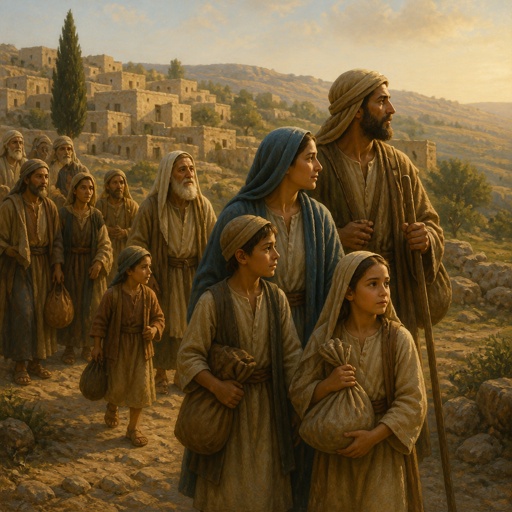
"The children of Gibbar, ninety and five." - Ezra 2:20
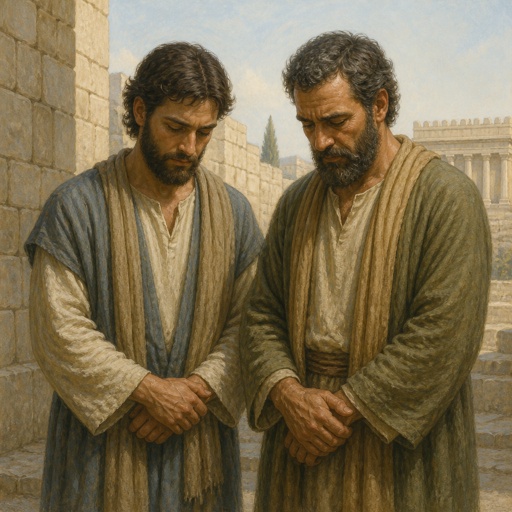
"And of the sons of Immer; Hanani, and Zebadiah." - Ezra 10:20

Letter to the king in Ezra chapter 4

Ezra 7:4 - "The son of Zerahiah, the son of Uzzi, the son of Bukki,"

Ezra 2:4 - "The children of Shephatiah, three hundred seventy and two."

Ezra 8:4 - "Of the sons of Pahath-moab; Elihoenai the son of Zerahiah, and with him two hundred males."
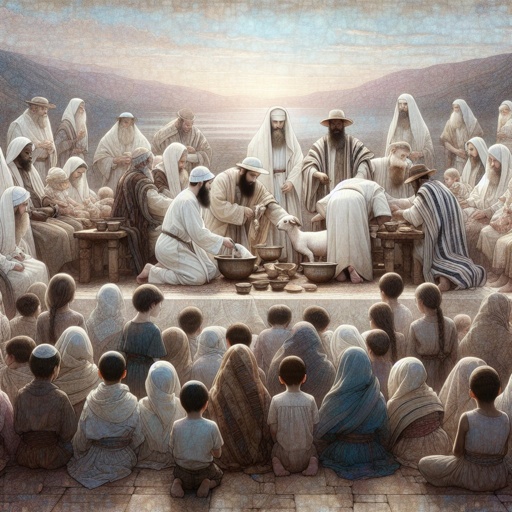
Ezra 6:20 - "For the priests and the Levites were purified together, all of them were pure, and killed the passover for all the children of the captivity, and for their brethren the priests, and for themselves."

Ezra 4:22 - "Take heed now that ye fail not to do this: why should damage grow to the hurt of the kings?"

Ezra 5:4 - "Then said we unto them after this manner, What are the names of the men that make this building?"

Ezra 4:8 - "Rehum the chancellor and Shimshai the scribe wrote a letter against Jerusalem to Artaxerxes the king in this sort:"

Ezra 10:4 - "Arise; for this matter belongeth unto thee: we also will be with thee: be of good courage, and do it."

Ezra 7:20 - "And whatsoever more shall be needful for the house of thy God, which thou shalt have occasion to bestow, bestow it out of the king's treasure house."

Ezra 8:20 - "Also of the Nethinims, whom David and the princes had appointed for the service of the Levites, two hundred and twenty Nethinims: all of them were expressed by name."

"Then the people of the land weakened the hands of the people of Judah, and troubled them in building," - Ezra 4:4

Ezra 4:18 - "The letter which ye sent unto us hath been plainly read before me."

"The son of Zerahiah, the son of Uzzi, the son of Bukki," - Ezra 7:4

Ezra 4:6 - "And in the reign of Ahasuerus, in the beginning of his reign, wrote they unto him an accusation against the inhabitants of Judah and Jerusalem."

Ezra 6:4 - "With three rows of great stones, and a row of new timber: and let the expenses be given out of the king's house:"

Ezra 4:10 - "And the rest of the nations whom the great and noble Asnappar brought over, and set in the cities of Samaria, and the rest that are on this side the river, and at such a time."

1 Chronicles 4:17 - "And the sons of Ezra were, Jether, and Mered, and Epher, and Jalon: and she bare Miriam, and Shammai, and Ishbah the father of Eshtemoa."

Ezra 4:24 - "Then ceased the work of the house of God which is at Jerusalem. So it ceased unto the second year of the reign of Darius king of Persia."