What does Ezra 4:20 mean?
“There have been mighty kings also over Jerusalem, which have ruled over all countries beyond the river; and toll, tribute, and custom, was paid unto them.” — Ezra 4:20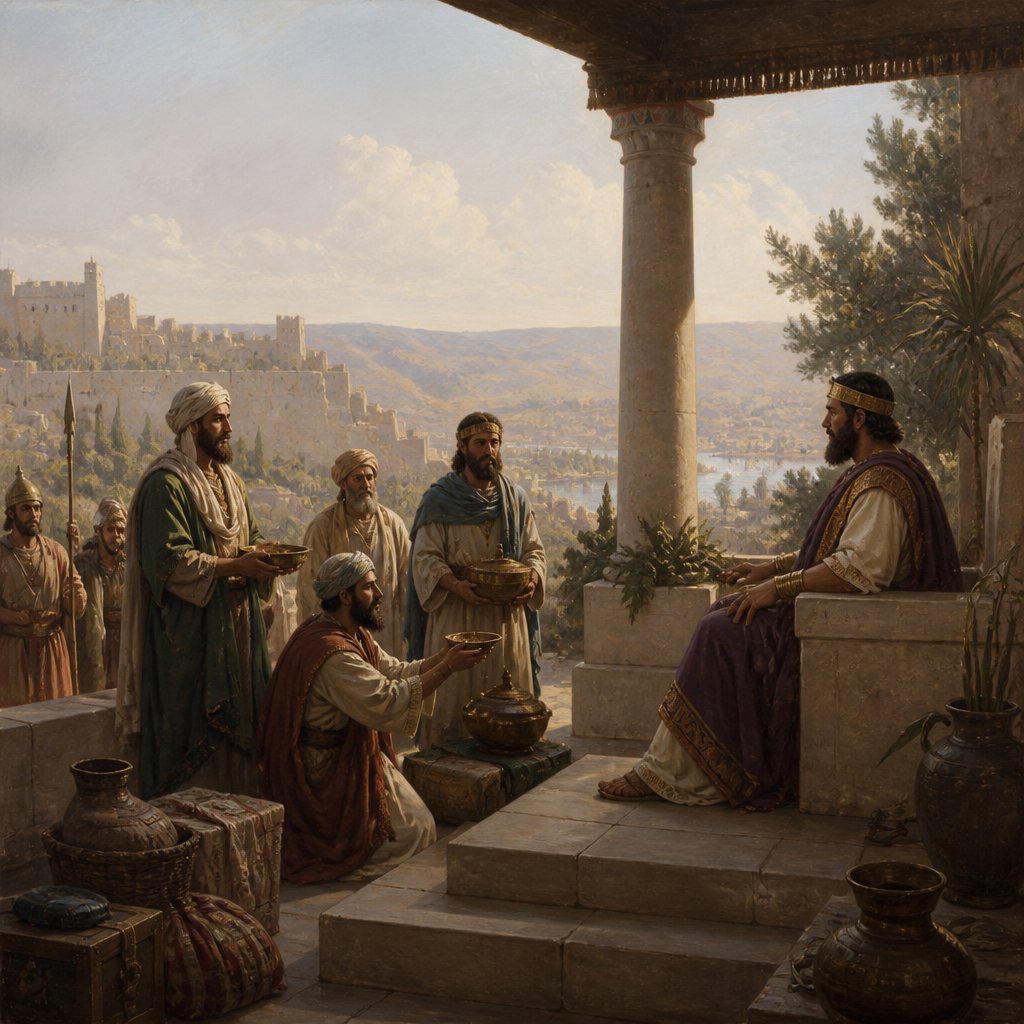
Ezra 4:20 in the King James Version reads, "There have been mighty kings also over Jerusalem, which have ruled over all countries beyond the river; and toll, tribute, and custom, was paid unto them."
This verse is part of a passage in the book of Ezra that describes the rebuilding of the temple in Jerusalem after the Israelites return from exile in Babylon. The context of this verse is the opposition the Israelites faced from the surrounding nations as they attempted to rebuild the temple. The foreign rulers in the region sent a letter to King Artaxerxes of Persia, cautioning him against allowing the rebuilding of the city walls and opposing the restoration of Jerusalem.
In this specific verse, the foreign rulers are asserting their authority over Jerusalem, claiming that mighty kings have ruled over the city and its surrounding territories, and that tribute and custom were paid to them. This can be seen as a part of the opposition and intimidation tactics the surrounding nations used to try to prevent the Israelites from rebuilding their city.
The themes present in this verse include power dynamics, opposition, and the struggle for autonomy and faith. The Israelites were trying to reclaim their homeland and establish themselves as a nation again, but they faced resistance and interference from outside rulers who sought to maintain their own authority over the region.
Symbolically, this verse can be seen as a reminder of the constant struggle between good and evil, the faithful and the faithless, and the continual tension between the power of God and the power of worldly rulers. The mention of "mighty kings" ruling over Jerusalem can be seen as symbolic of the forces of oppression and injustice that seek to dominate and control the people of God. The payment of toll, tribute, and custom can be seen as a symbol of the burden imposed on the Israelites by these rulers, representing the heavy yoke of their oppression.
In the larger context of the book of Ezra, this verse serves as a reminder of the challenges and obstacles the Israelites faced in their efforts to rebuild and renew their faith and their community. It also serves as a call to trust in God's sovereignty and to remain faithful in the face of opposition and adversity.
Overall, Ezra 4:20 speaks to the enduring struggle for freedom, justice, and faith in the face of opposition and oppression. It serves as a reminder of the constant battle between the powers of this world and the power of God, and the ongoing need for perseverance and trust in God's plan.
Get our apps


Artwork for Ezra 4:20

Ezra 4:20 - "There have been mighty kings also over Jerusalem, which have ruled over all countries beyond the river; and toll, tribute, and custom, was paid unto them."
"There have been mighty kings also over Jerusalem, which have ruled over all countries beyond the river; and toll, tribute, and custom, was paid unto them." - Ezra 4:20

Ezra 4:4

Ezra 4:4

Ezra 2:20 - "The children of Gibbar, ninety and five."

Ezra 10:20 - "And of the sons of Immer; Hanani, and Zebadiah."

Zerubbabel in Ezra chapter 4

Zerubbabel in Ezra chapter 4

Ezra 4:4 - "Then the people of the land weakened the hands of the people of Judah, and troubled them in building,"
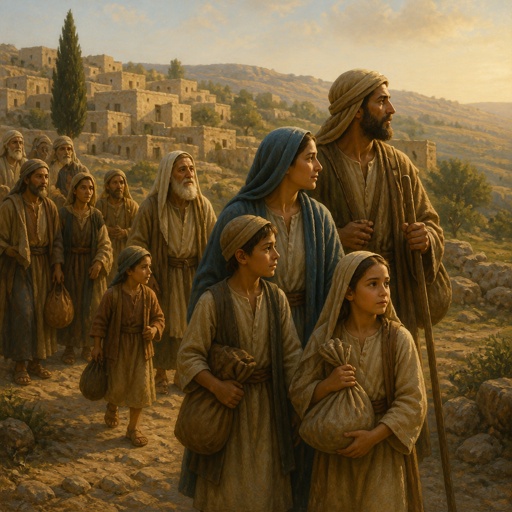
"The children of Gibbar, ninety and five." - Ezra 2:20
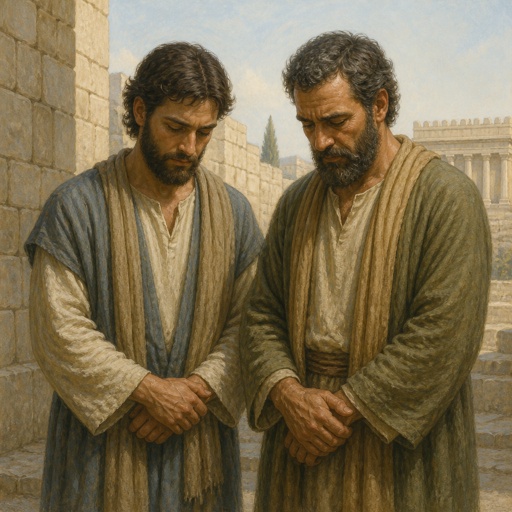
"And of the sons of Immer; Hanani, and Zebadiah." - Ezra 10:20

Letter to the king in Ezra chapter 4

Ezra 7:4 - "The son of Zerahiah, the son of Uzzi, the son of Bukki,"

Ezra 2:4 - "The children of Shephatiah, three hundred seventy and two."

Ezra 8:4 - "Of the sons of Pahath-moab; Elihoenai the son of Zerahiah, and with him two hundred males."
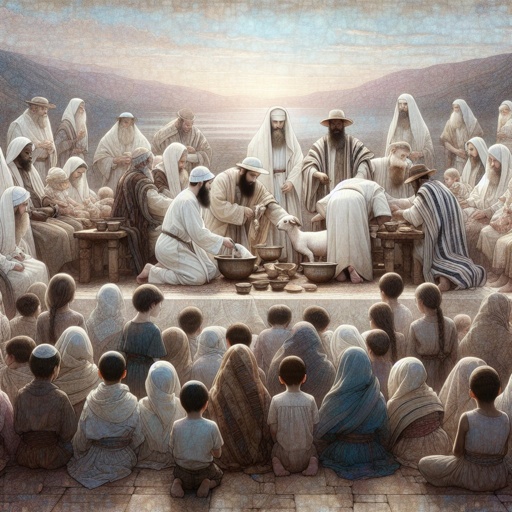
Ezra 6:20 - "For the priests and the Levites were purified together, all of them were pure, and killed the passover for all the children of the captivity, and for their brethren the priests, and for themselves."

Ezra 4:22 - "Take heed now that ye fail not to do this: why should damage grow to the hurt of the kings?"

Ezra 5:4 - "Then said we unto them after this manner, What are the names of the men that make this building?"

Ezra 4:8 - "Rehum the chancellor and Shimshai the scribe wrote a letter against Jerusalem to Artaxerxes the king in this sort:"

Ezra 10:4 - "Arise; for this matter belongeth unto thee: we also will be with thee: be of good courage, and do it."

Ezra 7:20 - "And whatsoever more shall be needful for the house of thy God, which thou shalt have occasion to bestow, bestow it out of the king's treasure house."

Ezra 8:20 - "Also of the Nethinims, whom David and the princes had appointed for the service of the Levites, two hundred and twenty Nethinims: all of them were expressed by name."

"Then the people of the land weakened the hands of the people of Judah, and troubled them in building," - Ezra 4:4

Ezra 4:18 - "The letter which ye sent unto us hath been plainly read before me."

"The son of Zerahiah, the son of Uzzi, the son of Bukki," - Ezra 7:4

Ezra 4:6 - "And in the reign of Ahasuerus, in the beginning of his reign, wrote they unto him an accusation against the inhabitants of Judah and Jerusalem."

Ezra 6:4 - "With three rows of great stones, and a row of new timber: and let the expenses be given out of the king's house:"

Ezra 4:10 - "And the rest of the nations whom the great and noble Asnappar brought over, and set in the cities of Samaria, and the rest that are on this side the river, and at such a time."

1 Chronicles 4:17 - "And the sons of Ezra were, Jether, and Mered, and Epher, and Jalon: and she bare Miriam, and Shammai, and Ishbah the father of Eshtemoa."

Ezra 4:24 - "Then ceased the work of the house of God which is at Jerusalem. So it ceased unto the second year of the reign of Darius king of Persia."