Diligence in Divine Decree: A Call to Faithful Service
“Whatsoever is commanded by the God of heaven, let it be diligently done for the house of the God of heaven: for why should there be wrath against the realm of the king and his sons?” — Ezra 7:23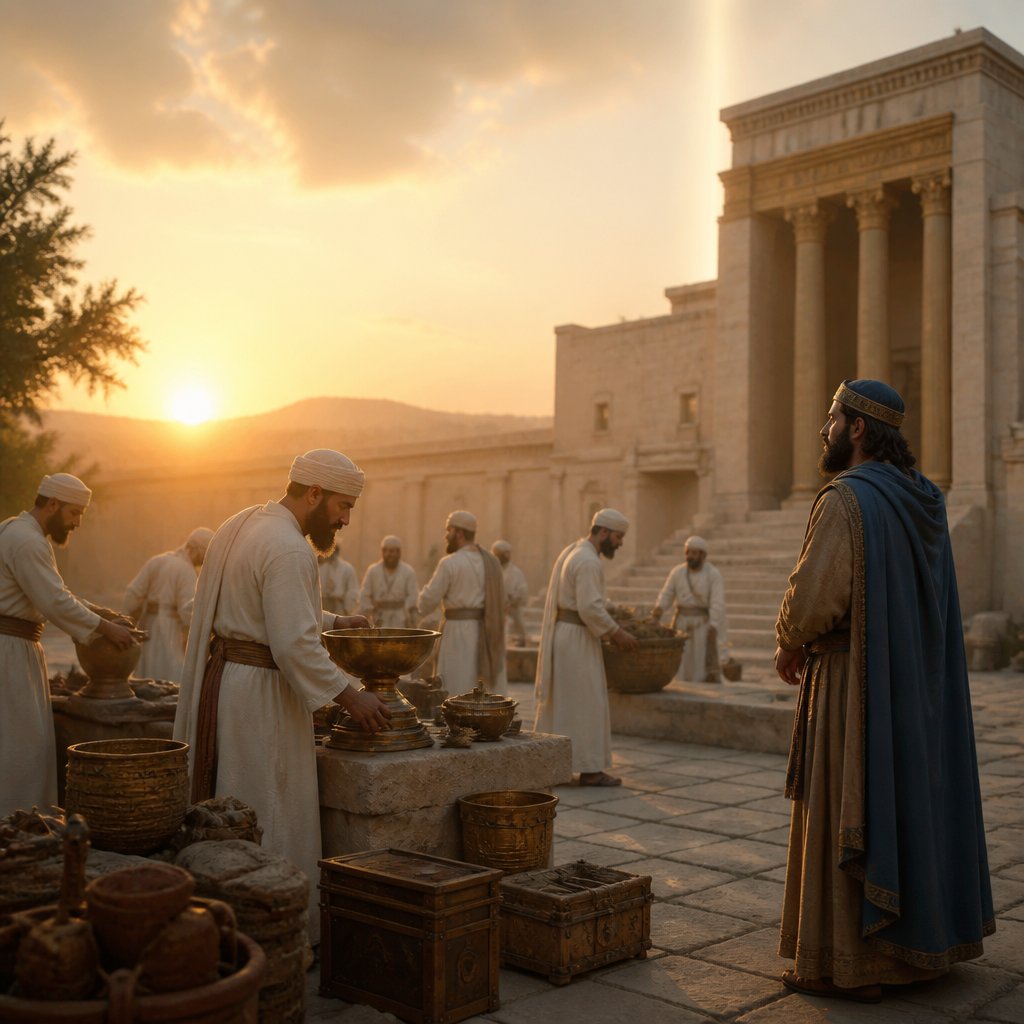
Ezra 7:23 states, "Whatsoever is commanded by the God of heaven, let it be diligently done for the house of the God of heaven: for why should there be wrath against the realm of the king and his sons?" This verse emanates a profound urgency and reverence for the commands of God, calling us to examine the relationship between divine obedience and the functioning of earthly authority.
Ezra, a priest and scribe, was tasked with leading a group of exiles back to Jerusalem after the Babylonian captivity. His mission was not merely about returning to a land but rebuilding a community centered around the worship of God. This particular verse reveals the gravity with which Ezra viewed the commands of God: they were not optional guidelines but matters of utmost importance. The phrase "whatsoever is commanded by the God of heaven" emphasizes that God's decrees are all-encompassing, transcending both time and human authority.
In today’s context, understanding the seriousness and sacredness of God’s commands is crucial. We often perceive divine instruction as suggestions or good advice, sidelining the notion of diligence. Diligence, in biblical terms, suggests a persistent effort and commitment to fulfill God’s purposes. It is the antithesis of complacency, embodying an earnest devotion to seeing God’s commands realized in our lives and communities.
Ezra’s exhortation further amplifies the concept of accountability to a broader society: "for why should there be wrath against the realm of the king and his sons?" This speaks not only to individual responsibility but also to communal consequences. The actions of the faithful are directly intertwined with the well-being of others. It implies that neglecting God’s commands has ripple effects that can lead to divine wrath—not just for individuals, but for families and nations. The reverence for God’s commands has implications that extend beyond the spiritual realm and into political and social governance.
To bring this into our personal lives, we must interrogate what ‘diligently doing’ God’s will looks like for us today. This means being proactive in our faith—engaging with Scripture not as passive readers but as diligent students. Incorporating prayer into our daily routine is not about rote habit but about earnestly seeking God’s guidance, wisdom, and direction.
Additionally, this call to diligence may require us to reevaluate our approach toward serving the church and our communities. The ‘house of the God of heaven’ in Ezra’s time can be paralleled to our local congregations, ministries, or any places where believers gather for worship. There is often a temptation to hold back our best efforts when we feel underappreciated or when the tasks ahead seem overwhelming. Yet, Ezra reminds us that our work for the Lord should never be contingent upon human recognition or reward.
As we reflect on this verse, consider what God might be prompting you to do more diligently. Are there areas of your spiritual life where you have grown complacent? Perhaps it is in fostering relationships with neighbors, giving to those in need, or participating actively in church initiatives. Assess how you might more faithfully represent Christ to those around you.
In moments of hesitation or uncertainty, remind yourself of the stakes described by Ezra: when we fail to honor God’s commands, we may open the door to disfavor not only in our lives but in the environment we inhabit. Our diligence in following God’s commands thus becomes more than a personal endeavor; it is a collective responsibility to uphold His standards of righteousness in our communities.
Ultimately, diligence in serving the ‘house of the God of heaven’ is an invitation to lead by example—showing the world that obedience to God is not simply a matter of duty but a pathway to peace, purpose, and fulfillment. May we take these words to heart, diligently committing ourselves to the will of our Father in heaven.
Get our apps


Artwork for Ezra 7:23

Ezra 7:23 - "Whatsoever is commanded by the God of heaven, let it be diligently done for the house of the God of heaven: for why should there be wrath against the realm of the king and his sons?"
"Whatsoever is commanded by the God of heaven, let it be diligently done for the house of the God of heaven: for why should there be wrath against the realm of the king and his sons?" - Ezra 7:23

Ezra 2:23 - "The men of Anathoth, an hundred twenty and eight."

Ezra 7:12 - "Artaxerxes, king of kings, unto Ezra the priest, a scribe of the law of the God of heaven, perfect peace, and at such a time."

Ezra 7:10 - "For Ezra had prepared his heart to seek the law of the LORD, and to do it, and to teach in Israel statutes and judgments."

Ezra 7:1 - "Now after these things, in the reign of Artaxerxes king of Persia, Ezra the son of Seraiah, the son of Azariah, the son of Hilkiah,"

Ezra 8:23 - "So we fasted and besought our God for this: and he was intreated of us."

Ezra 10:23 - "Also of the Levites; Jozabad, and Shimei, and Kelaiah, (the same is Kelita,) Pethahiah, Judah, and Eliezer."
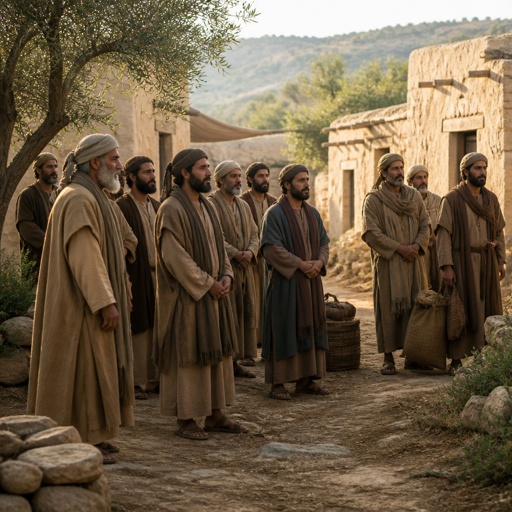
"The men of Anathoth, an hundred twenty and eight." - Ezra 2:23

Ezra 7:11 - "¶ Now this is the copy of the letter that the king Artaxerxes gave unto Ezra the priest, the scribe, even a scribe of the words of the commandments of the LORD, and of his statutes to Israel."

Ezra 7:2 - "The son of Shallum, the son of Zadok, the son of Ahitub,"

Ezra 7:4 - "The son of Zerahiah, the son of Uzzi, the son of Bukki,"

Ezra 7:3 - "The son of Amariah, the son of Azariah, the son of Meraioth,"

Ezra 2:7 - "The children of Elam, a thousand two hundred fifty and four."

Ezra 8:7 - "And of the sons of Elam; Jeshaiah the son of Athaliah, and with him seventy males."

Ezra 7:8 - "And he came to Jerusalem in the fifth month, which was in the seventh year of the king."

Ezra 7:21 - "And I, even I Artaxerxes the king, do make a decree to all the treasurers which are beyond the river, that whatsoever Ezra the priest, the scribe of the law of the God of heaven, shall require of you, it be done speedily,"

Ezra 7:7 - "And there went up some of the children of Israel, and of the priests, and the Levites, and the singers, and the porters, and the Nethinims, unto Jerusalem, in the seventh year of Artaxerxes the king."

Ezra 7:5 - "The son of Abishua, the son of Phinehas, the son of Eleazar, the son of Aaron the chief priest:"

Ezra 7:6 - "This Ezra went up from Babylon; and he was a ready scribe in the law of Moses, which the LORD God of Israel had given: and the king granted him all his request, according to the hand of the LORD his God upon him."

Ezra 7:25 - "And thou, Ezra, after the wisdom of thy God, that is in thine hand, set magistrates and judges, which may judge all the people that are beyond the river, all such as know the laws of thy God; and teach ye them that know them not."

"Artaxerxes, king of kings, unto Ezra the priest, a scribe of the law of the God of heaven, perfect peace, and at such a time." - Ezra 7:12

"For Ezra had prepared his heart to seek the law of the LORD, and to do it, and to teach in Israel statutes and judgments." - Ezra 7:10

Ezra 5:7 - "They sent a letter unto him, wherein was written thus; Unto Darius the king, all peace."

"Now after these things, in the reign of Artaxerxes king of Persia, Ezra the son of Seraiah, the son of Azariah, the son of Hilkiah," - Ezra 7:1

"So we fasted and besought our God for this: and he was intreated of us." - Ezra 8:23

"The son of Zerahiah, the son of Uzzi, the son of Bukki," - Ezra 7:4

Ezra 7:19 - "The vessels also that are given thee for the service of the house of thy God, those deliver thou before the God of Jerusalem."

"The son of Amariah, the son of Azariah, the son of Meraioth," - Ezra 7:3

"The son of Shallum, the son of Zadok, the son of Ahitub," - Ezra 7:2