What does Ezra 7:23 mean?
“Whatsoever is commanded by the God of heaven, let it be diligently done for the house of the God of heaven: for why should there be wrath against the realm of the king and his sons?” — Ezra 7:23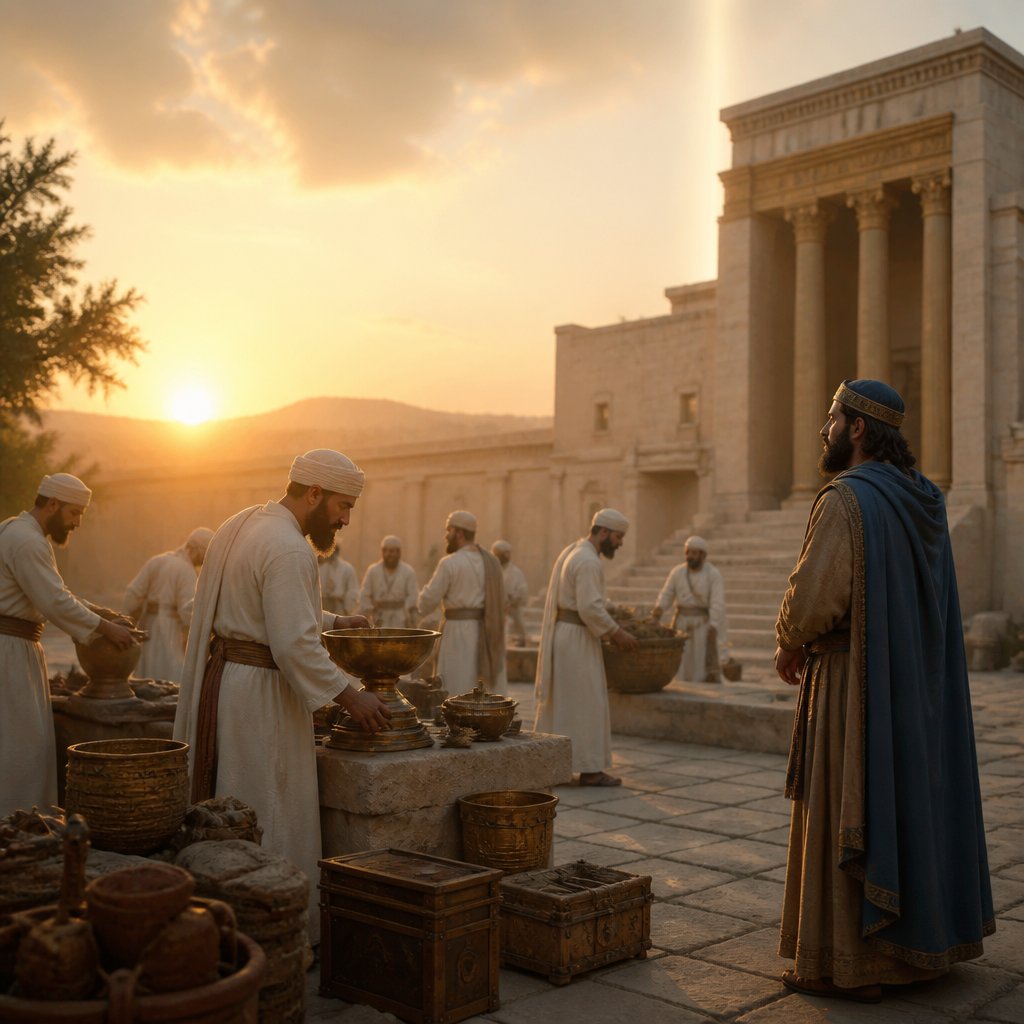
Ezra 7:23 (KJV) states, "Whatsoever is commanded by the God of heaven, let it be diligently done for the house of the God of heaven: for why should there be wrath against the realm of the king and his sons?"
This verse is found in the seventh chapter of the book of Ezra, which is a part of the Old Testament in the Bible. The book of Ezra tells the story of the Jews returning from exile in Babylon and rebuilding the temple in Jerusalem. In chapter 7, Ezra, a skilled scribe and priest, is sent by the Persian king Artaxerxes to lead a group of Jews from Babylon to Jerusalem to continue the work of rebuilding the temple. This verse comes from a letter that King Artaxerxes wrote to Ezra, giving him the authority to lead the Jews in Jerusalem.
The verse begins with a strong directive: "Whatsoever is commanded by the God of heaven, let it be diligently done for the house of the God of heaven." Here, the "God of heaven" is given authority over the actions of the Jews. This is a reminder to the people that the work they are doing in rebuilding the temple is not simply a task assigned by the king, but it is a commandment from their God. The word "diligently" emphasizes the importance of carrying out God's commands with great care, attention, and devotion. This command sets the tone for the rest of the passage and underscores the significance of their mission.
The verse continues by posing a rhetorical question: "for why should there be wrath against the realm of the king and his sons?" This question serves as a warning to the people, highlighting the potential consequences of neglecting their duty to God. It suggests that failure to carry out God's commands could result in divine judgment not only against the individuals involved but also against the entire kingdom. This language is intended to motivate the people to act with urgency and reverence, ensuring that they do not bring harm upon themselves and their rulers through disobedience.
The overarching theme of this verse is obedience to God's commands and the potential consequences of disobedience. It emphasizes the importance of carrying out God's will with diligence and devotion, recognizing the authority of God over the affairs of mankind. The verse also points to the interconnectedness of the spiritual and earthly realms, suggesting that neglecting God's commands could bring about negative consequences not only for the individuals involved but also for the broader community and its leaders.
The historical context of this verse is significant in understanding its implications. The Jews had been exiled from their homeland and were now in the process of returning and rebuilding their temple. The authority granted to Ezra by the Persian king was an essential part of this process, as it allowed the Jews to carry out their religious duties without interference. The letter from King Artaxerxes, from which this verse is taken, serves as a demonstration of the divine protection and endorsement of the Jews' efforts.
Symbolically, this verse represents the idea of divine authority and the importance of honoring and obeying God's commands. It underscores the belief that God's will should be the primary concern in the lives of believers, and that neglecting God's commands can have far-reaching consequences. The imagery of the "house of the God of heaven" symbolizes the sacredness and significance of the temple and the religious practices associated with it. The warning of potential wrath emphasizes the seriousness of the consequences of disobedience, conveying the idea that divine judgment is a real and tangible outcome of failing to adhere to God's will.
In conclusion, Ezra 7:23 (KJV) conveys a strong message about the importance of obeying God's commands and the potential consequences of disobedience. It serves as a reminder of the authority of God over the affairs of mankind and the need for diligence and devotion in carrying out God's will. The historical context of the verse sheds light on the significance of the authority granted to Ezra by the Persian king, and the symbolic implications underscore the sacredness of religious duties and the potential repercussions of neglecting them. Overall, this verse serves as a powerful exhortation to honor and obey God's commands with reverence and diligence.
Get our apps


Artwork for Ezra 7:23

Ezra 7:23 - "Whatsoever is commanded by the God of heaven, let it be diligently done for the house of the God of heaven: for why should there be wrath against the realm of the king and his sons?"
"Whatsoever is commanded by the God of heaven, let it be diligently done for the house of the God of heaven: for why should there be wrath against the realm of the king and his sons?" - Ezra 7:23

Ezra 2:23 - "The men of Anathoth, an hundred twenty and eight."

Ezra 7:12 - "Artaxerxes, king of kings, unto Ezra the priest, a scribe of the law of the God of heaven, perfect peace, and at such a time."

Ezra 7:10 - "For Ezra had prepared his heart to seek the law of the LORD, and to do it, and to teach in Israel statutes and judgments."

Ezra 7:1 - "Now after these things, in the reign of Artaxerxes king of Persia, Ezra the son of Seraiah, the son of Azariah, the son of Hilkiah,"

Ezra 8:23 - "So we fasted and besought our God for this: and he was intreated of us."

Ezra 10:23 - "Also of the Levites; Jozabad, and Shimei, and Kelaiah, (the same is Kelita,) Pethahiah, Judah, and Eliezer."
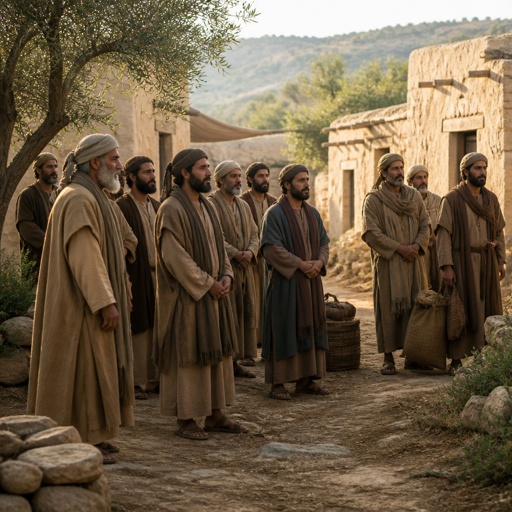
"The men of Anathoth, an hundred twenty and eight." - Ezra 2:23

Ezra 7:11 - "¶ Now this is the copy of the letter that the king Artaxerxes gave unto Ezra the priest, the scribe, even a scribe of the words of the commandments of the LORD, and of his statutes to Israel."

Ezra 7:2 - "The son of Shallum, the son of Zadok, the son of Ahitub,"

Ezra 7:4 - "The son of Zerahiah, the son of Uzzi, the son of Bukki,"

Ezra 7:3 - "The son of Amariah, the son of Azariah, the son of Meraioth,"

Ezra 2:7 - "The children of Elam, a thousand two hundred fifty and four."
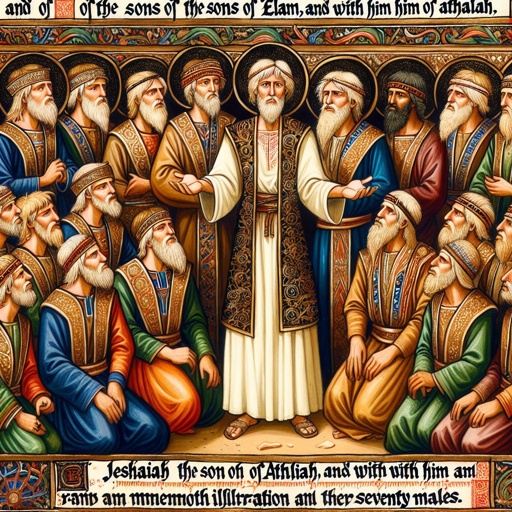
Ezra 8:7 - "And of the sons of Elam; Jeshaiah the son of Athaliah, and with him seventy males."

Ezra 7:8 - "And he came to Jerusalem in the fifth month, which was in the seventh year of the king."

Ezra 7:21 - "And I, even I Artaxerxes the king, do make a decree to all the treasurers which are beyond the river, that whatsoever Ezra the priest, the scribe of the law of the God of heaven, shall require of you, it be done speedily,"

Ezra 7:7 - "And there went up some of the children of Israel, and of the priests, and the Levites, and the singers, and the porters, and the Nethinims, unto Jerusalem, in the seventh year of Artaxerxes the king."

Ezra 7:5 - "The son of Abishua, the son of Phinehas, the son of Eleazar, the son of Aaron the chief priest:"

Ezra 7:6 - "This Ezra went up from Babylon; and he was a ready scribe in the law of Moses, which the LORD God of Israel had given: and the king granted him all his request, according to the hand of the LORD his God upon him."

Ezra 7:25 - "And thou, Ezra, after the wisdom of thy God, that is in thine hand, set magistrates and judges, which may judge all the people that are beyond the river, all such as know the laws of thy God; and teach ye them that know them not."

"Artaxerxes, king of kings, unto Ezra the priest, a scribe of the law of the God of heaven, perfect peace, and at such a time." - Ezra 7:12

"For Ezra had prepared his heart to seek the law of the LORD, and to do it, and to teach in Israel statutes and judgments." - Ezra 7:10

Ezra 5:7 - "They sent a letter unto him, wherein was written thus; Unto Darius the king, all peace."

"Now after these things, in the reign of Artaxerxes king of Persia, Ezra the son of Seraiah, the son of Azariah, the son of Hilkiah," - Ezra 7:1

"So we fasted and besought our God for this: and he was intreated of us." - Ezra 8:23

"The son of Zerahiah, the son of Uzzi, the son of Bukki," - Ezra 7:4

Ezra 7:19 - "The vessels also that are given thee for the service of the house of thy God, those deliver thou before the God of Jerusalem."

"The son of Amariah, the son of Azariah, the son of Meraioth," - Ezra 7:3

"The son of Shallum, the son of Zadok, the son of Ahitub," - Ezra 7:2