Sons of Joktan: A Legacy of Discovery
“And Ophir, and Havilah, and Jobab: all these were the sons of Joktan.” — Genesis 10:29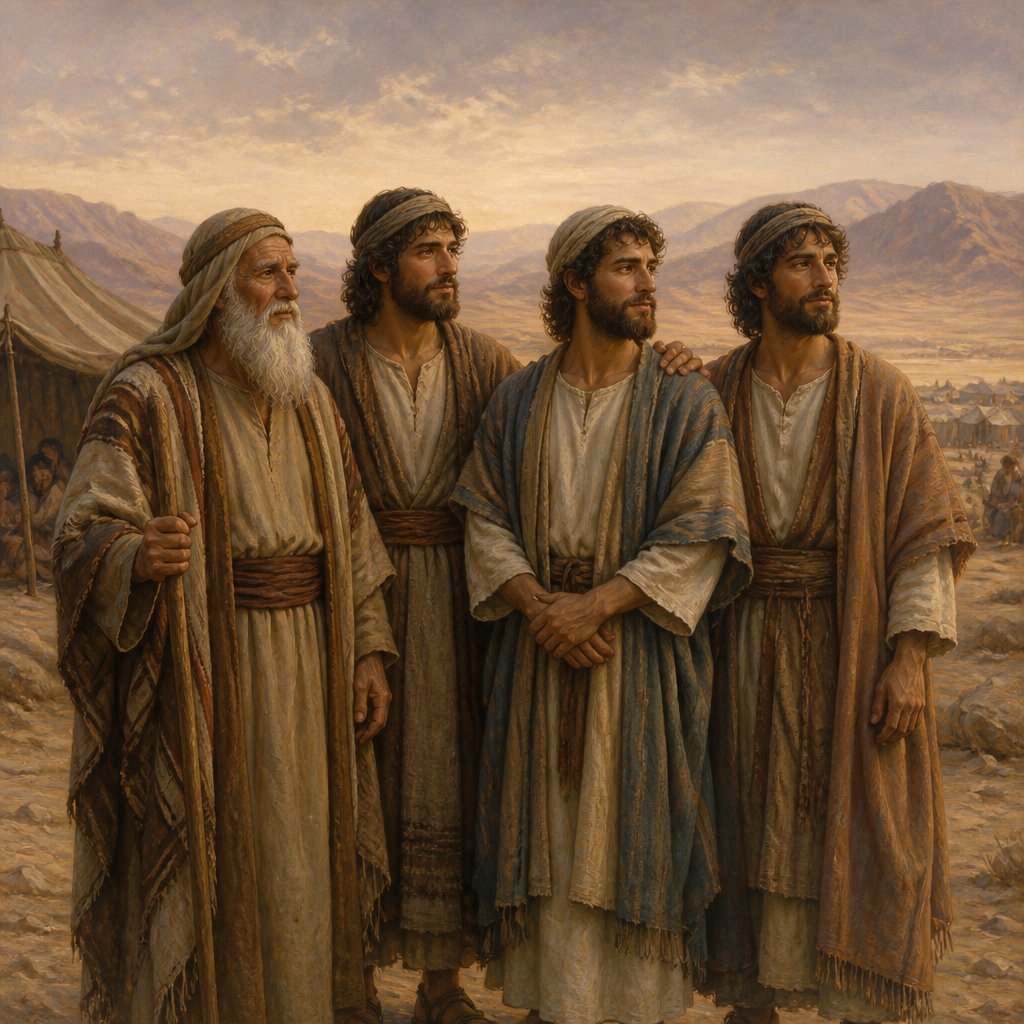
In Genesis 10:29, we read a simple yet profound statement: "And Ophir, and Havilah, and Jobab: all these were the sons of Joktan." This verse is part of a larger genealogical record that traces the lineage of Noah's sons after the flood. While at first glance it may seem to be just a list of names, it carries significant meaning and speaks volumes about our journey of faith, discovery, and the importance of legacy in our spiritual walk.
Joktan, as a descendant of Shem, establishes a family line that is rich in heritage. In biblical times, names often held deep meanings and they were symbolic of the character or destiny of the person. Each of Joktan's sons, Ophir, Havilah, and Jobab, represents different aspects of humanity's journey in discovering not only land and resources but also their identities and destinies created by God.
**Ophir** is most often associated with riches and exotic trade. In the Bible, Ophir is frequently referenced as a distant land known for its fine gold, precious stones, and wealth. This encourages us to seek out our spiritual gifts and treasures. Just as the land of Ophir was sought after for its riches, we too are called to seek the treasures of the Spirit, which are invaluable. Matthew 6:19-20 reminds us, "Lay not up for yourselves treasures upon earth, where moth and rust doth corrupt, and where thieves break through and steal: But lay up for yourselves treasures in heaven, where neither moth nor rust doth corrupt, and where thieves do not break through nor steal."
In this context, the pursuit of our spiritual gifts is akin to the quest for Ophir. We are invited to explore the depths of our relationship with God and to discover the unique talents and resources He has bestowed upon us. Perhaps you feel called to teaching, service, or evangelism? Maybe you hold a gift of encouragement or hospitality? This passage inspires us to embrace what God has given us, diligently seeking to cultivate those gifts for His glory.
**Havilah**, another son, is linked with the land that is rich in natural resources, including gold, bdellium, and the onyx stone (Genesis 2:11-12). This connection signifies life's abundance and how God's provision is found in diverse environments. Havilah challenges us to appreciate the provision surrounding us. Just as Havilah’s land was fertile and full of resources, we are called to recognize the spiritual resources available in our lives—His Word, community, prayer, and worship. Are we tapping into the vast reservoir of grace and strength afforded to us through these means? Moreover, the mention of Havilah in this genealogy gently nudges us to be good stewards of the blessings we’ve received, understanding that they are to be shared, multiplied, and not hoarded.
Finally, we come to **Jobab**. His name signifies ‘the one who returns' or ‘the one who overcomes.' Jobab represents resilience and persistence. In the journey of faith, return is often necessary—as we stumble, falter, and get back up. This is a reminder that God's grace is sufficient for our weaknesses (2 Corinthians 12:9). Each of us faces trials and temptations, but just as Jobab’s name implies, we too can overcome through Him who strengthens us (Philippians 4:13).
In conclusion, even in a simple genealogical reference such as Genesis 10:29, we discover profound invitations to explore, recognize, and embody the treasures God has placed before us. Through the lives of Joktan's sons, we are compelled to seek the treasures of the Spirit, steward our blessings wisely, and embrace resilience in our daily walk with Christ. Let us honor our legacy as children of the Most High and explore the vastness of His creation and provision.
Get our apps


Artwork for Genesis 10:29

Genesis 10:29 - "And Ophir, and Havilah, and Jobab: all these were the sons of Joktan."
"And Ophir, and Havilah, and Jobab: all these were the sons of Joktan." - Genesis 10:29

Genesis 29:29 - "And Laban gave to Rachel his daughter Bilhah his handmaid to be her maid."

Genesis 29-2

Genesis 29-6

Genesis 29-5

Genesis 42:29

Genesis 29:1

Genesis 29-7

Genesis 18-29

Genesis 26:29

Genesis 19-29

Genesis 29-8

Genesis 29-3

Genesis 29-4

Genesis 21-29

Genesis 24-29

Genesis 29:10 - "And it came to pass, when Jacob saw Rachel the daughter of Laban his mother's brother, and the sheep of Laban his mother's brother, that Jacob went near, and rolled the stone from the well's mouth, and watered the flock of Laban his mother's brother."

Genesis 29:16-35

Genesis 29:15-30

Genesis 29:17 - "Leah was tender eyed; but Rachel was beautiful and well favoured."

Genesis 29:11 - "And Jacob kissed Rachel, and lifted up his voice, and wept."

Genesis 29:1 - "Then Jacob went on his journey, and came into the land of the people of the east."

Genesis 29:22 - "And Laban gathered together all the men of the place, and made a feast."

Genesis 25:29 - "And Jacob sod pottage: and Esau came from the field, and he was faint:"

"And Laban gave to Rachel his daughter Bilhah his handmaid to be her maid." - Genesis 29:29

Genesis 41:29 - "Behold, there come seven years of great plenty throughout all the land of Egypt:"

Genesis 29:24 - "And Laban gave unto his daughter Leah Zilpah his maid for an handmaid."

Genesis 29:16 - "And Laban had two daughters: the name of the elder was Leah, and the name of the younger was Rachel."

Genesis 9:29 - "And all the days of Noah were nine hundred and fifty years: and he died."