What does Genesis 10:29 mean?
“And Ophir, and Havilah, and Jobab: all these were the sons of Joktan.” — Genesis 10:29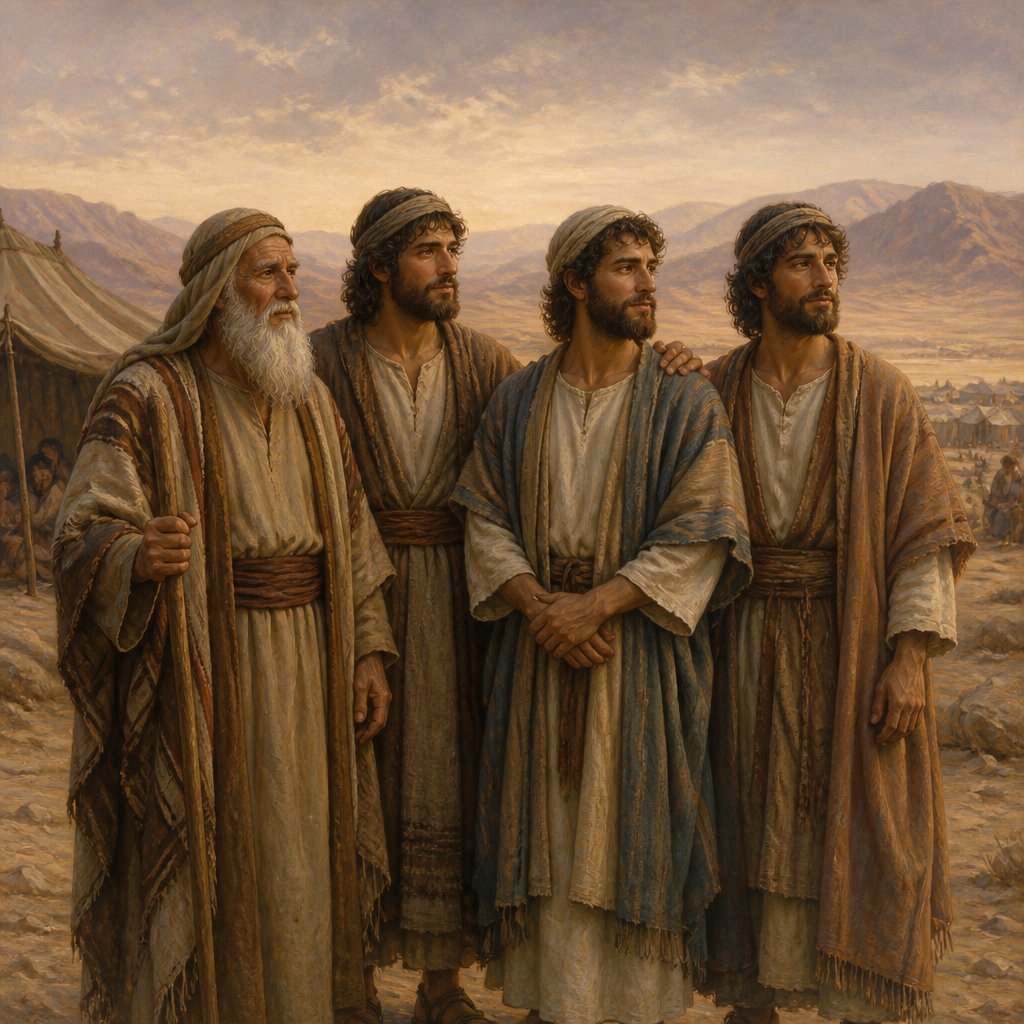
Genesis 10:29 (KJV) reads: "And Ophir, and Havilah, and Jobab: all these were the sons of Joktan."
This verse is part of a genealogy found in the book of Genesis, specifically in the Table of Nations, which lists the descendants of Noah's sons (Shem, Ham, and Japheth). The Table of Nations serves as a historical account of the origins of various nations and peoples. The genealogy in Genesis 10 is important because it sets the stage for the stories of the Israelites and their relationship with other nations.
In this particular verse, we encounter the descendants of Joktan, who was a son of Eber, who in turn was a great-grandson of Shem, one of Noah's sons. The names mentioned in this verse – Ophir, Havilah, and Jobab – represent different tribal groups or regions associated with the descendants of Joktan.
The mention of Ophir is significant for several reasons. First, Ophir is often associated with a land rich in resources, particularly gold and other precious commodities. In the Bible, Ophir is known for its wealth and is mentioned in connection with King Solomon's trade expeditions (1 Kings 9:28, 10:11; 2 Chronicles 8:18, 9:10). The reference to Ophir in Genesis 10:29 serves as an early indication of the region's potential significance in the biblical narrative.
Havilah is another name with important biblical connections. In the book of Genesis, Havilah is mentioned as the location of a land with valuable resources, including gold, bdellium, and onyx (Genesis 2:11-12). This reference to Havilah in the genealogy of Joktan's descendants reinforces its association with prosperity and abundance.
As for Jobab, the meaning and significance of this name are not as clear in the biblical text. Some scholars believe that Jobab might be another name for the region or tribe associated with Joktan's descendants.
In addition to the specific names mentioned in Genesis 10:29, the verse also serves to emphasize the widespread and varied descendants of Joktan. By recounting the names of the sons of Joktan, the genealogy in Genesis 10 underscores the diversity of nations and peoples that emerged from the descendants of Noah.
From a broader thematic perspective, the Table of Nations in Genesis 10 highlights the sovereignty and providence of God over all peoples and nations. The inclusion of diverse nations and tribes in the genealogy serves as a reminder that all humanity is interconnected and shares a common ancestry. This emphasis on communal and familial bonds reflects the biblical understanding of the interconnectedness of all people as part of God's creation.
Moreover, the genealogy in Genesis 10 also lays the groundwork for the later biblical narrative, particularly the history of Israel and its interactions with other nations. By tracing the origins of various nations and peoples, the text sets the stage for the unfolding of God's plan for redemption and reconciliation across different cultures and ethnic groups.
In terms of symbolism, the names Ophir, Havilah, and Jobab may represent more than just geographical locations or tribal groups. They can also be seen as symbols of wealth, abundance, and diversity. The mention of these names in the genealogy of Joktan's descendants conveys a sense of prosperity and richness associated with the diverse nations and peoples that emerged from Noah's lineage. This symbolism reinforces the idea of God's provision and abundance for all of humanity, regardless of race or ethnicity.
In conclusion, Genesis 10:29, as part of the Table of Nations, provides a historical account of the diverse descendants of Joktan. The verse highlights the significance of names such as Ophir, Havilah, and Jobab, which serve to emphasize the prosperity, abundance, and diversity of the nations and peoples descended from Joktan. From a thematic and symbolic perspective, the verse underscores the interconnectedness of all humanity and sets the stage for the unfolding of God's plan for redemption and reconciliation across different cultures and ethnic groups in the biblical narrative.
Get our apps


Artwork for Genesis 10:29

Genesis 10:29 - "And Ophir, and Havilah, and Jobab: all these were the sons of Joktan."
"And Ophir, and Havilah, and Jobab: all these were the sons of Joktan." - Genesis 10:29

Genesis 29:29 - "And Laban gave to Rachel his daughter Bilhah his handmaid to be her maid."

Genesis 29-2

Genesis 29-6

Genesis 29-5

Genesis 42:29

Genesis 29:1

Genesis 29-7

Genesis 18-29

Genesis 26:29

Genesis 19-29

Genesis 29-8

Genesis 29-3

Genesis 29-4

Genesis 21-29

Genesis 24-29

Genesis 29:10 - "And it came to pass, when Jacob saw Rachel the daughter of Laban his mother's brother, and the sheep of Laban his mother's brother, that Jacob went near, and rolled the stone from the well's mouth, and watered the flock of Laban his mother's brother."

Genesis 29:16-35

Genesis 29:15-30

Genesis 29:17 - "Leah was tender eyed; but Rachel was beautiful and well favoured."

Genesis 29:11 - "And Jacob kissed Rachel, and lifted up his voice, and wept."

Genesis 29:1 - "Then Jacob went on his journey, and came into the land of the people of the east."

Genesis 29:22 - "And Laban gathered together all the men of the place, and made a feast."

Genesis 25:29 - "And Jacob sod pottage: and Esau came from the field, and he was faint:"

"And Laban gave to Rachel his daughter Bilhah his handmaid to be her maid." - Genesis 29:29

Genesis 41:29 - "Behold, there come seven years of great plenty throughout all the land of Egypt:"

Genesis 29:24 - "And Laban gave unto his daughter Leah Zilpah his maid for an handmaid."

Genesis 29:16 - "And Laban had two daughters: the name of the elder was Leah, and the name of the younger was Rachel."

Genesis 9:29 - "And all the days of Noah were nine hundred and fifty years: and he died."