The Dust of the Earth: A Promise of Abundance
“And I will make thy seed as the dust of the earth: so that if a man can number the dust of the earth, then shall thy seed also be numbered.” — Genesis 13:16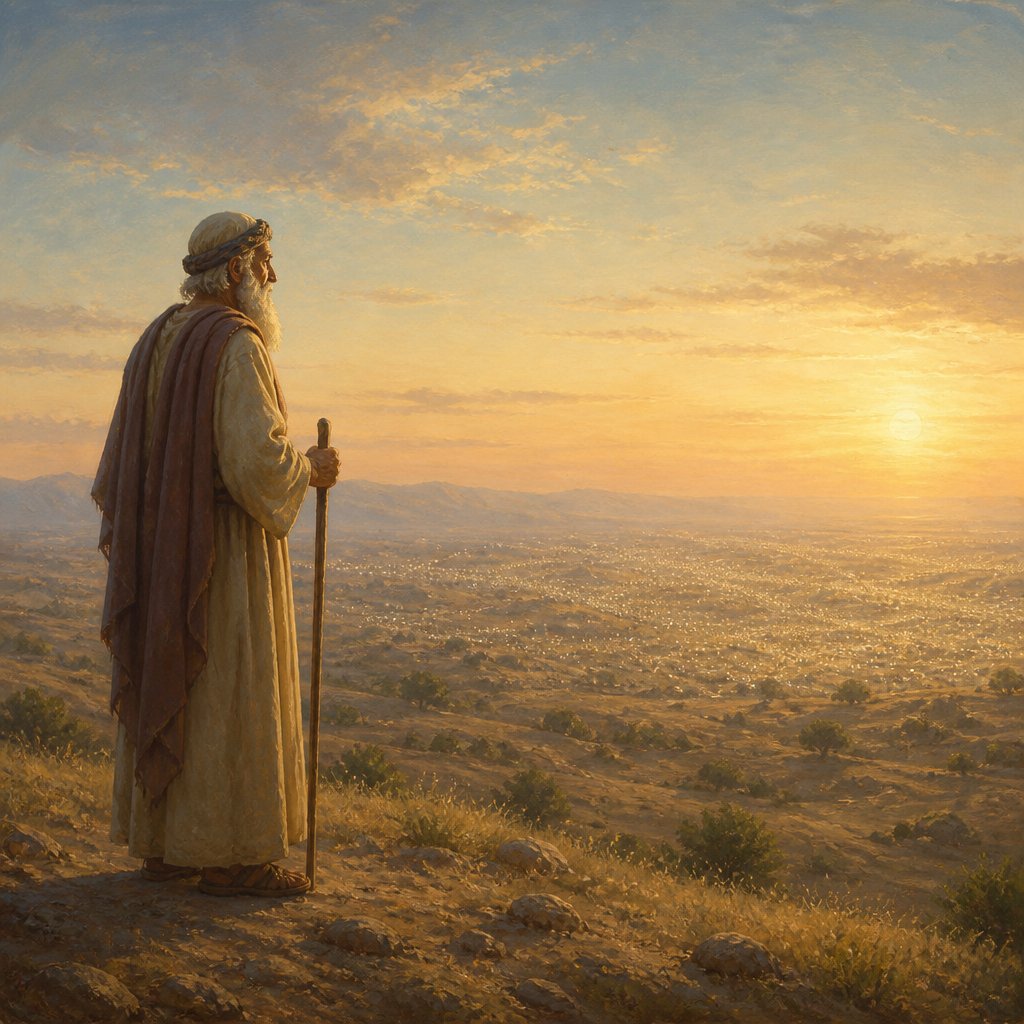
Genesis 13:16 states, "And I will make thy seed as the dust of the earth: so that if a man can number the dust of the earth, then shall thy seed also be numbered." This verse is rich with implications, revealing not just a promise made to Abraham, but also a profound understanding of God’s covenantal nature and His infinite capacity to bless.
In the context of Genesis 13, we see Abraham, known at that time still as Abram, who had just experienced a significant parting with his nephew Lot. Their sizable flocks and herds had led to strife between their herdsmen, resulting in Lot choosing to dwell in the fertile plains of Jordan while Abraham remained in Canaan. In this moment of separation, God reaffirms His promise to Abraham, providing him not just with a reassurance of his descendants but also an affirmation of His faithfulness.
When God says, “I will make thy seed as the dust of the earth,” He uses the metaphor of dust for a reason. Dust is ubiquitous; it is found everywhere, and it is often overlooked or considered insignificant. Yet, it is also the building block of life. Just as dust accumulates and represents the vastness of the earth, so too will Abraham’s descendants multiply beyond counting. This imagery communicates abundance and a fulfillment of God’s covenant that will expand over generations.
Moreover, the promise signifies not only physical descendants but a spiritual legacy. Abraham is known as the father of faith, and through him, the people of Israel emerge, along with all believers who call upon the name of Christ. The seed of Abraham transcends biology; it represents a vast community of faith that spans eras and cultures.
When God specifies that if a man can number the dust, then shall thy seed also be numbered, it emphasizes that this promise is unquantifiable by human standards. It challenges our comprehension of what can be measured. In a world that often seeks to categorize and define, God’s promises overflow beyond human constraints. Just as the dust is countless, so too is the grace and favor that God extends.
Consider the implications of such a promise in our own lives. Just as Abraham did not see the fullness of God’s promise to him in his lifetime, we too may not always witness the outcomes of the blessings God has in store. There are moments in our journeys where we may feel inadequate, or we may wonder how God can use us. Yet, just as God assured Abraham, He is equally faithful to His promises made to us.
This promise encourages us to view our lives through the lens of abundance and hope. It reminds us that God’s plans for us and those who come after us can be far greater than we envision. Perhaps you are in a season of struggle, feeling alone or insignificant; remember the dust. God sees you, and His purposes for you are far-reaching. Every action grounded in faith, every prayer uttered in doubt, every moment spent serving others—these accumulate in a way we may not immediately see or understand, creating a legacy far greater than ourselves.
So, let us embrace the dust metaphor not as something trivial but as a powerful reminder of God’s promise of abundance. May we live with expectancy, knowing that our spiritual family, our legacy, and our influence are expansive, wrapping around generations yet to come. God’s promise to Abraham is a promise to us all—an assurance that when He declares a blessing over our lives, it surpasses our human understanding, as countless as the dust of the earth.
Get our apps


Artwork for Genesis 13:16

Genesis 13:16 - "And I will make thy seed as the dust of the earth: so that if a man can number the dust of the earth, then shall thy seed also be numbered."
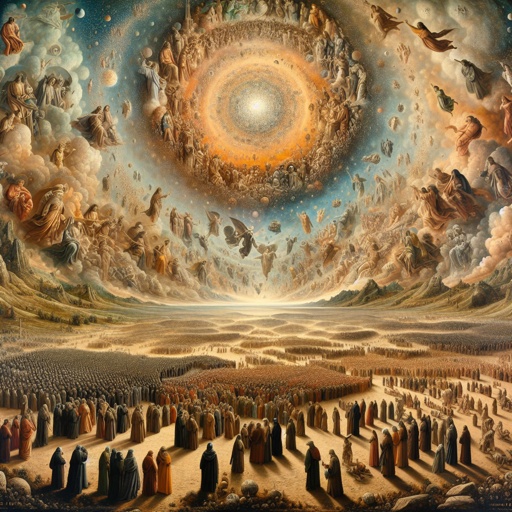
Genesis 13:16 And I will make thy seed as the dust of the earth: so that if a man can number the dust of the earth, then shall thy seed also be numbered.
"And I will make thy seed as the dust of the earth: so that if a man can number the dust of the earth, then shall thy seed also be numbered." - Genesis 13:16

Genesis 16:13

Genesis 16:13 - "And she called the name of the LORD that spake unto her, Thou God seest me: for she said, Have I also here looked after him that seeth me?"

Genesis 16:16

Genesis 16:3

Genesis 16:14

Genesis 16:2

Genesis 16:6

Genesis 1:16

Genesis 15:16

Genesis 16:8

Genesis 16:12

Genesis 25-16

Genesis 16:1

Genesis 18-16

Genesis 16:11

Genesis 3:16

Genesis 17-16

Genesis 16:4

Genesis 16:7

Genesis 23-16

Genesis 16:9

Genesis 16:5

Genesis 20-16

Genesis 28-16

Genesis 22-16

Genesis 16:15

Genesis 16:10