Embracing the Wildness Within: Understanding Our Inner Conflict
“And he will be a wild man; his hand will be against every man, and every man’s hand against him; and he shall dwell in the presence of all his brethren.” — Genesis 16:12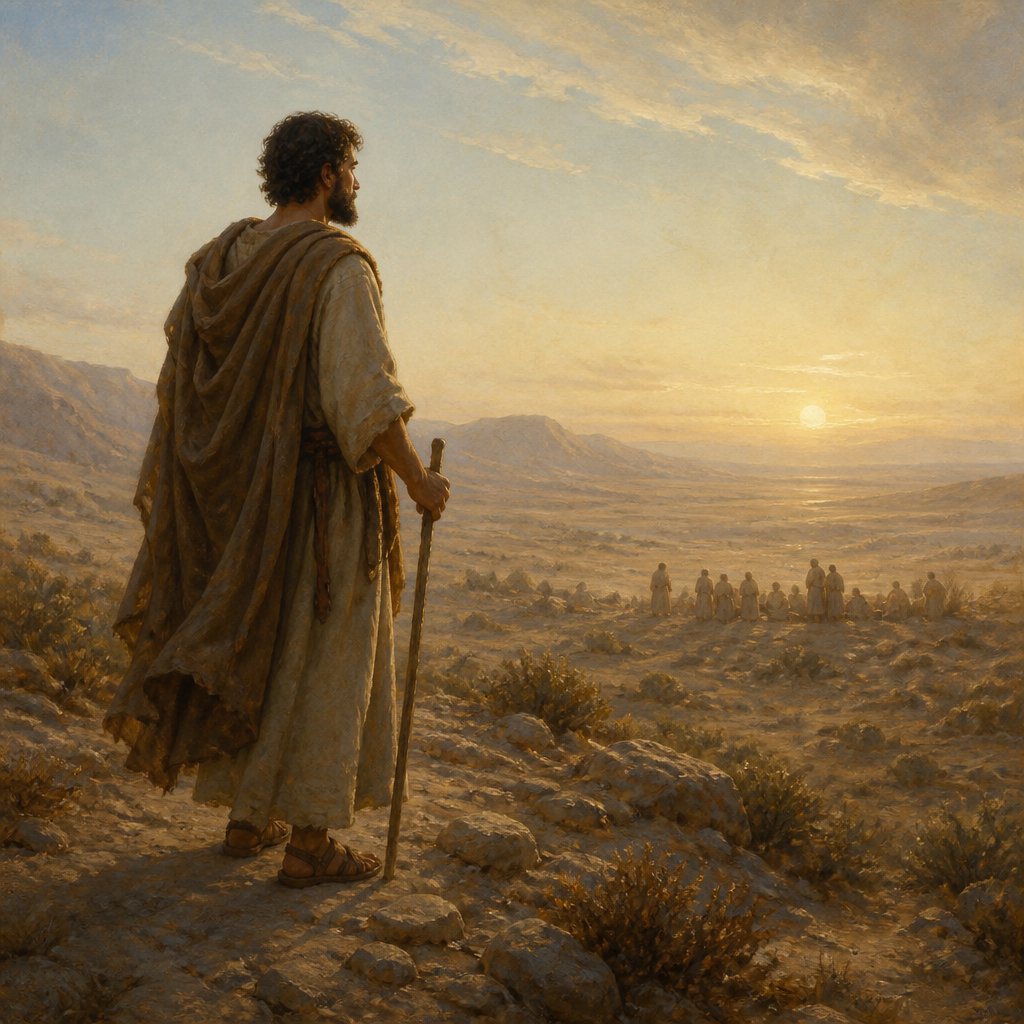
The verse from Genesis 16:12 (KJV), which states, "And he will be a wild man; his hand will be against every man, and every man's hand against him; and he shall dwell in the presence of all his brethren," offers profound insights into human nature and our connections—both with ourselves and with those around us. This scripture, while originally referring to Ishmael, gives us a glimpse into the intricate dynamics of conflict, identity, and the wild spirit that resides within each one of us.
To understand this verse fully, we must consider its context. Ishmael was born to Hagar and Abraham under circumstances marred by human folly, jealousy, and strife. Hagar, a servant, bore a child when Sarah, Abraham’s wife, was initially barren. The tension between Sarah and Hagar became palpable, resulting in Hagar fleeing to the wilderness, where God encountered her, offering a promise concerning her son, Ishmael. The wildness attributed to Ishmael could symbolize more than his character; it represents the struggles and tensions that arise within familial and societal relationships.
The description of Ishmael as a "wild man" encapsulates the essence of being untamed and unruly. Wildness suggests a freedom from societal constraints but also chaos. It mirrors the tumultuous situations we sometimes find ourselves in, not only in our external relationships with others but also internally within ourselves. As believers, we know the need for order and peace, but the discomfort that arises from our deeply rooted instincts often leads us to clash with our own desires and aspirations.
His hand being "against every man" indicates an instinctual response to conflict, which might arise from feelings of alienation or the need for self-preservation. This is reflective of the human condition where we sometimes find ourselves in opposition to others, be it due to competition, misunderstandings, or a simple clash of wills. In our spiritual journey, we are often confronted by these strife-laden situations. Paul reminds us in Romans 7:15 how he struggles with his own actions: "For that which I do I allow not: for what I would, that do I not; but what I hate, that do I." This internal battle highlights how the wildness within can lead us to actions contrary to our true selves, resulting in conflict—not just with others but also within our own spirits.
However, the latter part of the verse stating that "he shall dwell in the presence of all his brethren" imparts hope. The wildness of Ishmael was not to exclude him from the community; rather, it signified a different kind of belonging. Even within conflict, there is an opportunity for acceptance and resilience. This truth resonates deeply within our own lives. We may grapple with being against the tide of family dynamics or social expectations, yet we can still exist and learn from our brethren. Being 'in the presence' of our brothers and sisters indicates that there is a space for us, despite our internal chaos and external struggles.
As followers of Christ, we are called to acknowledge the wildness within us—our passions, conflicts, and struggles—while seeking transformation through His grace. Jesus invites us into a restorative relationship with Him that allows us to channel our wildness into purposeful action. The gospel teaches us that rather than being driven by our wild instincts towards aggression and defense, we can reflect the attributes of Christ: love, patience, and understanding.
In conclusion, Genesis 16:12 challenges us to confront our wildness, to recognize the conflicts we experience as pathways to deeper understanding, and to find our place among our brethren. We are reminded that every man’s hand against us does not define our existence; rather, it is God’s presence that renews us and allows us to dwell peacefully with others. Let us embrace our wildness, not as a source of divisiveness but as an opportunity to seek unity within diversity and find our identity in God's everlasting love. May we learn to navigate our wildness with grace, understanding that we are all part of one larger family, dwelling together in the presence of God.
Get our apps


Artwork for Genesis 16:12

Genesis 16:12
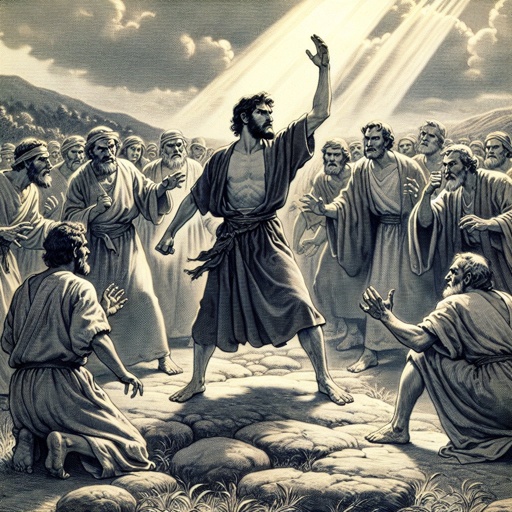
Genesis 16:12 - "And he will be a wild man; his hand will be against every man, and every man's hand against him; and he shall dwell in the presence of all his brethren."
"And he will be a wild man; his hand will be against every man, and every man's hand against him; and he shall dwell in the presence of all his brethren." - Genesis 16:12

Genesis 12:16 - "And he entreated Abram well for her sake: and he had sheep, and oxen, and he asses, and menservants, and maidservants, and she asses, and camels."

Genesis 16:16

Genesis 12:16 And he entreated Abram well for her sake: and he had sheep, and oxen, and he asses, and menservants, and maidservants, and she asses, and camels.

Genesis 12:16 And he entreated Abram well for her sake: and he had sheep, and oxen, and he asses, and menservants, and maidservants, and she asses, and camels.

Genesis 16:3

Genesis 16:14

Genesis 16:2

Genesis 16:6

Genesis 1:16

Genesis 15:16

Genesis 16:8

Genesis 25-16

Genesis 16:1

Genesis 18-16

Genesis 16:11

Genesis 3:16

Genesis 17-16

Genesis 16:4

Genesis 16:7

Genesis 12

Genesis 23-16

Genesis 16:9

Genesis 16:5

Genesis 20-16

Genesis 28-16

Genesis 22-16

Genesis 16:15