The Wells of Witness: A Testament of Faithfulness
“And he said, For these seven ewe lambs shalt thou take of my hand, that they may be a witness unto me, that I have digged this well.” — Genesis 21:30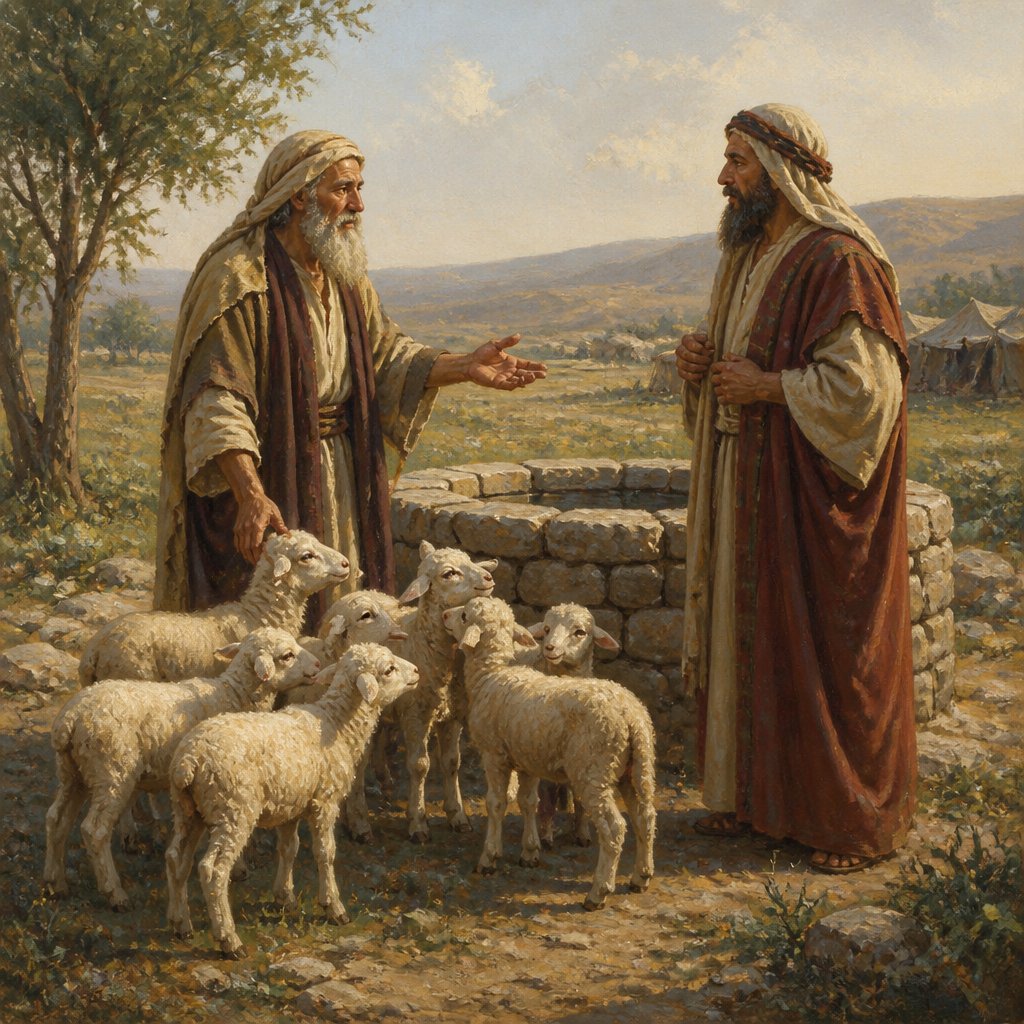
In Genesis 21:30, we encounter a powerful moment between Abraham and Abimelech, where the significance of a simple act grows into a lasting testimony of faithfulness and divine provision. The verse states, "And he said, For these seven ewe lambs shalt thou take of my hand, that they may be a witness unto me, that I have digged this well." As we navigate this profound interaction, we find rich lessons on integrity, covenant, and the act of leaving a legacy through the testimonies we establish in our lives.
Abraham had recently settled in the land of the Philistines, and his relationship with Abimelech had its trials and tensions, stemming largely from misunderstandings regarding wells and ownership. Wells in ancient times were lifelines; they represented sustenance, survival, and the blessing of God’s provision. Therefore, to dig a well was to make a strong statement of claim over a piece of land, a testament to commitment and trust. Abraham’s action of digging a well—and his later intentional gifting of seven ewe lambs to Abimelech—articulates a clear narrative of honor and resolution.
Herein lies the rich symbolism of the seven ewe lambs. In the ancient Near East, the act of offering lambs was both a gesture of peace and a covenantal sign. By giving these lambs to Abimelech, Abraham was firmly establishing a witness of his integrity in the Lord's provision and how he took ownership of the well. The lambs became symbols, not merely of livestock, but of a far-reaching agreement that testified to his efforts and intentions. They were meant to stand against any accusation regarding the well.
In a world fraught with complexities and broken promises, Abraham’s actions remind us of the importance of being men and women of integrity. We are called to represent the truth, even when faced with misunderstandings or potential conflicts. Abraham could have easily fallen into hostility or defensiveness, yet he chose instead to create a bridge of reconciliation and understanding through tangible acts of generosity.
As we reflect on this scripture, we are reminded that our actions—a small offering of kindness or grace—can resonate as a witness of God’s faithfulness to others. Every act of love or integrity can serve as a reminder of the wells we have dug in our lives. These are our testimonies, our stories of how God has supplied our needs, how He has moved us from uncertainty into certainty.
Moreover, the lambs were not just a witness between two men but a reminder of the covenant established by God with Abraham. This is the grander narrative woven throughout the scriptures: God’s relentless pursuit of reconciliation with humanity. Just as Abraham dug wells and offered offerings to demonstrate his faithfulness, so has God provided us with His ultimate offering through Jesus Christ.
In John 4, Jesus describes Himself as the living water, and by faith, we too become wells of life, pouring out the grace and hope we have found in Him. Let us then ask ourselves: What wells have we dug in our lives? How can our witness shine forth in acts of kindness, integrity, and faithfulness? Each day provides new opportunities to establish a legacy that reflects not only who we are but points to the faithfulness of the One who calls us.
As we meditate on Genesis 21:30, let it inspire us to actively engage in our communities and relationships. Let our actions witness to God’s provision and peace, allowing our lives to stand as a testament of His love—a love that ultimately leads to eternal reconciliation. May we be diligent in creating wells of witness in our lives, so others may know that God is faithful indeed.
Get our apps


Artwork for Genesis 21:30

Genesis 21-30

Genesis 21:30 - "And he said, For these seven ewe lambs shalt thou take of my hand, that they may be a witness unto me, that I have digged this well."
"And he said, For these seven ewe lambs shalt thou take of my hand, that they may be a witness unto me, that I have digged this well." - Genesis 21:30

Genesis 30:21 - "And afterwards she bare a daughter, and called her name Dinah."
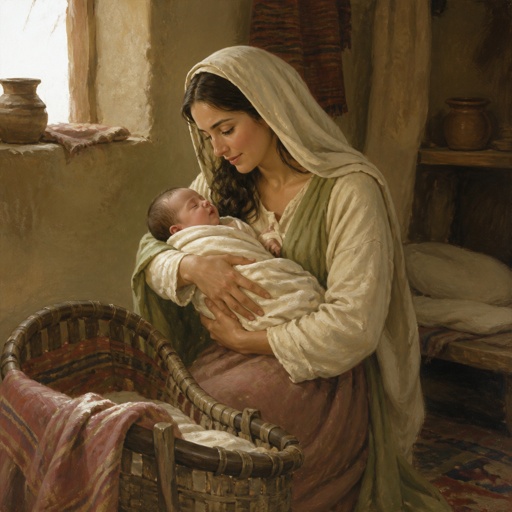
"And afterwards she bare a daughter, and called her name Dinah." - Genesis 30:21

Genesis 19-30

Genesis 24-30

Genesis 18-30

Genesis 21-21

Genesis 30:10-11

Genesis 29:15-30

Genesis 30:5 - "And Bilhah conceived, and bare Jacob a son."

Genesis 11:30 - "But Sarai was barren; she had no child."

Genesis 1:21

Genesis 1:21

Proverbs 21:30 - "There is no wisdom nor understanding nor counsel against the LORD."

Genesis 30:10 - "And Zilpah Leah's maid bare Jacob a son."

Proverbs 30:21 - "For three things the earth is disquieted, and for four which it cannot bear:"

Genesis 30:19 - "And Leah conceived again, and bare Jacob the sixth son."

Genesis 26:30 - "And he made them a feast, and they did eat and drink."

Genesis 30:12 - "And Zilpah Leah's maid bare Jacob a second son."

Joshua 21:30 - "And out of the tribe of Asher, Mishal with her suburbs, Abdon with her suburbs,"

Genesis 30:28 - "And he said, Appoint me thy wages, and I will give it."

Genesis 21-20

Genesis 21-6

Genesis 21-13

Genesis 21-10

Genesis 21-34

Genesis 21-2

Genesis 21-7