What does Genesis 21:30 mean?
“And he said, For these seven ewe lambs shalt thou take of my hand, that they may be a witness unto me, that I have digged this well.” — Genesis 21:30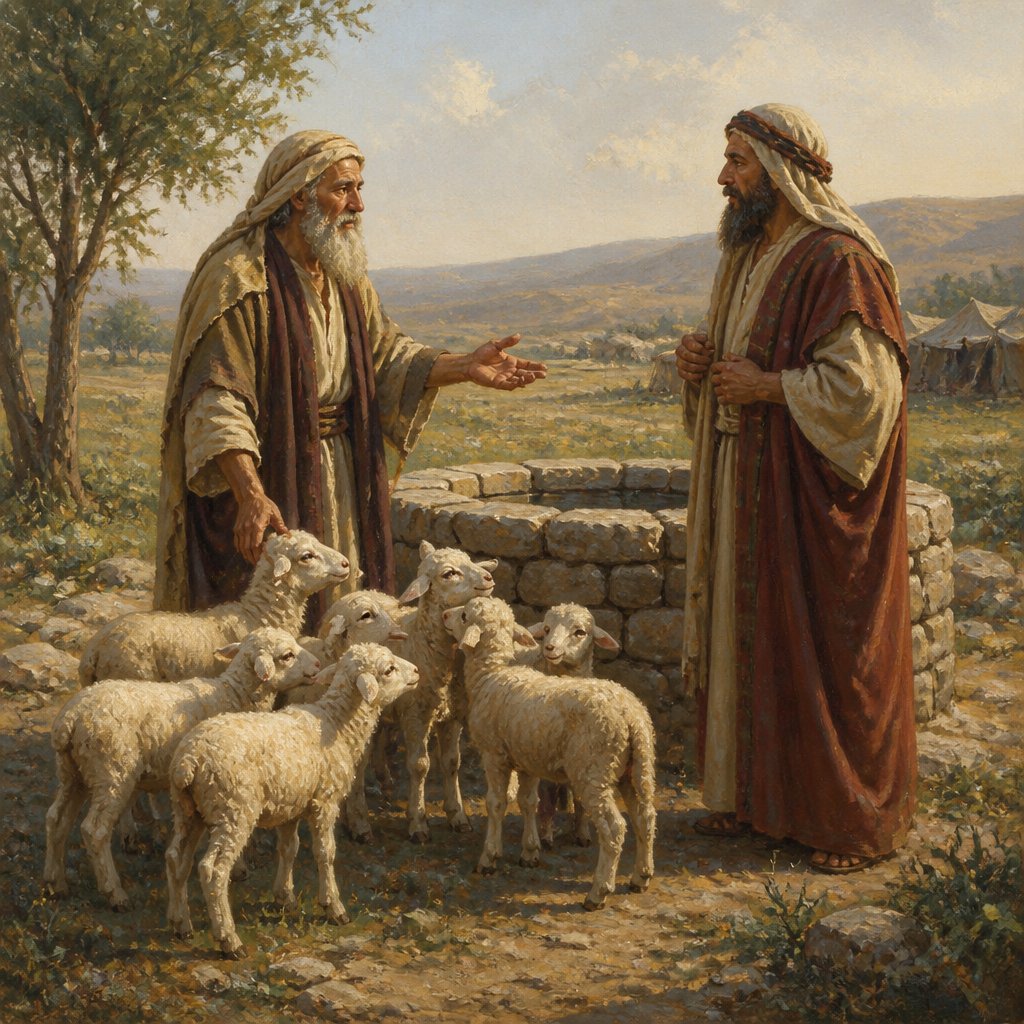
Genesis 21:30 in the King James Version of the Bible reads, "And he said, For these seven ewe lambs shalt thou take of my hand, that they may be a witness unto me, that I have digged this well." This verse comes from the story of Abraham and his dealings with Abimelech, the king of the Philistines, in the land of Gerar.
In this particular verse, Abraham is speaking to Abimelech, and he is offering seven ewe lambs as a witness or a token of their agreement. The context of this verse is important to understand its significance. Earlier in the chapter, Abraham had dug a well, but the herdsmen of Gerar quarreled with Abraham's herdsmen over the well. As a result, Abraham and Abimelech made a covenant to ensure that the well would belong to Abraham. This gesture by Abraham was meant to solidify the agreement and serve as a witness to their covenant.
The themes present in this verse include the importance of making and keeping agreements, the use of symbolic gestures, and the concept of ownership and property rights. Let's delve deeper into each of these themes.
Firstly, the theme of making and keeping agreements is central to this verse. In ancient times, covenants and agreements were taken very seriously, and they often involved symbolic gestures or tangible items to serve as a reminder or a witness to the agreement. In this case, the seven ewe lambs are offered by Abraham as a tangible symbol of the covenant between him and Abimelech. This demonstrates the significance of trust and loyalty in relationships, and it emphasizes the seriousness of their agreement.
Secondly, the verse highlights the use of symbolic gestures. The seven ewe lambs serve as a tangible representation of the covenant between Abraham and Abimelech. This act of offering a tangible item to seal an agreement was a common practice in ancient cultures and serves as a powerful symbol of the commitment and trust between the two parties. It emphasizes the importance of visual and tangible markers in signifying important agreements and relationships.
Lastly, the concept of ownership and property rights is also evident in this verse. The quarrel over the well between Abraham's herdsmen and the herdsmen of Gerar reflects the importance of land and water sources in ancient societies. By offering the ewe lambs, Abraham is making a statement about his ownership of the well and his rights to the land. This reflects the value of property rights and the importance of establishing and maintaining ownership of resources.
Symbolism plays a significant role in this verse as well. The seven ewe lambs themselves carry symbolic weight. In biblical and ancient Near Eastern cultures, the number seven often symbolizes completeness or fullness. By offering seven ewe lambs, Abraham is signifying the completeness and finality of their agreement. The ewe lambs themselves also symbolize wealth and prosperity, further underscoring the significance of the agreement between Abraham and Abimelech.
In conclusion, Genesis 21:30 offers a rich tapestry of themes, context, and symbolism. It provides insight into the cultural and relational dynamics of the ancient world, while also carrying timeless truths about the importance of making and keeping agreements, the use of symbolic gestures, and the concept of ownership and property rights. This verse serves as a powerful reminder of the enduring value of trust, loyalty, and commitment in human relationships.
Get our apps


Artwork for Genesis 21:30

Genesis 21-30

Genesis 21:30 - "And he said, For these seven ewe lambs shalt thou take of my hand, that they may be a witness unto me, that I have digged this well."
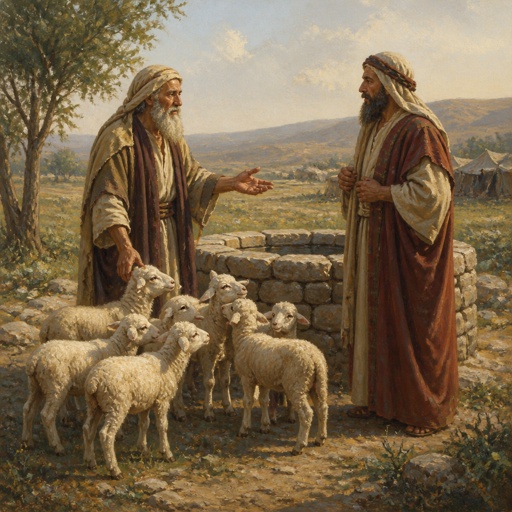
"And he said, For these seven ewe lambs shalt thou take of my hand, that they may be a witness unto me, that I have digged this well." - Genesis 21:30

Genesis 30:21 - "And afterwards she bare a daughter, and called her name Dinah."
"And afterwards she bare a daughter, and called her name Dinah." - Genesis 30:21

Genesis 19-30

Genesis 24-30

Genesis 18-30

Genesis 21-21

Genesis 30:10-11

Genesis 29:15-30

Genesis 30:5 - "And Bilhah conceived, and bare Jacob a son."

Genesis 11:30 - "But Sarai was barren; she had no child."

Genesis 1:21

Genesis 1:21

Proverbs 21:30 - "There is no wisdom nor understanding nor counsel against the LORD."

Genesis 30:10 - "And Zilpah Leah's maid bare Jacob a son."

Proverbs 30:21 - "For three things the earth is disquieted, and for four which it cannot bear:"

Genesis 30:19 - "And Leah conceived again, and bare Jacob the sixth son."

Genesis 26:30 - "And he made them a feast, and they did eat and drink."

Genesis 30:12 - "And Zilpah Leah's maid bare Jacob a second son."

Joshua 21:30 - "And out of the tribe of Asher, Mishal with her suburbs, Abdon with her suburbs,"

Genesis 30:28 - "And he said, Appoint me thy wages, and I will give it."

Genesis 21-20

Genesis 21-6

Genesis 21-13

Genesis 21-10

Genesis 21-34

Genesis 21-2

Genesis 21-7