The Well of Oaths: Finding Peace in Covenantal Relationships
“Wherefore he called that place Beer-sheba; because there they sware both of them.” — Genesis 21:31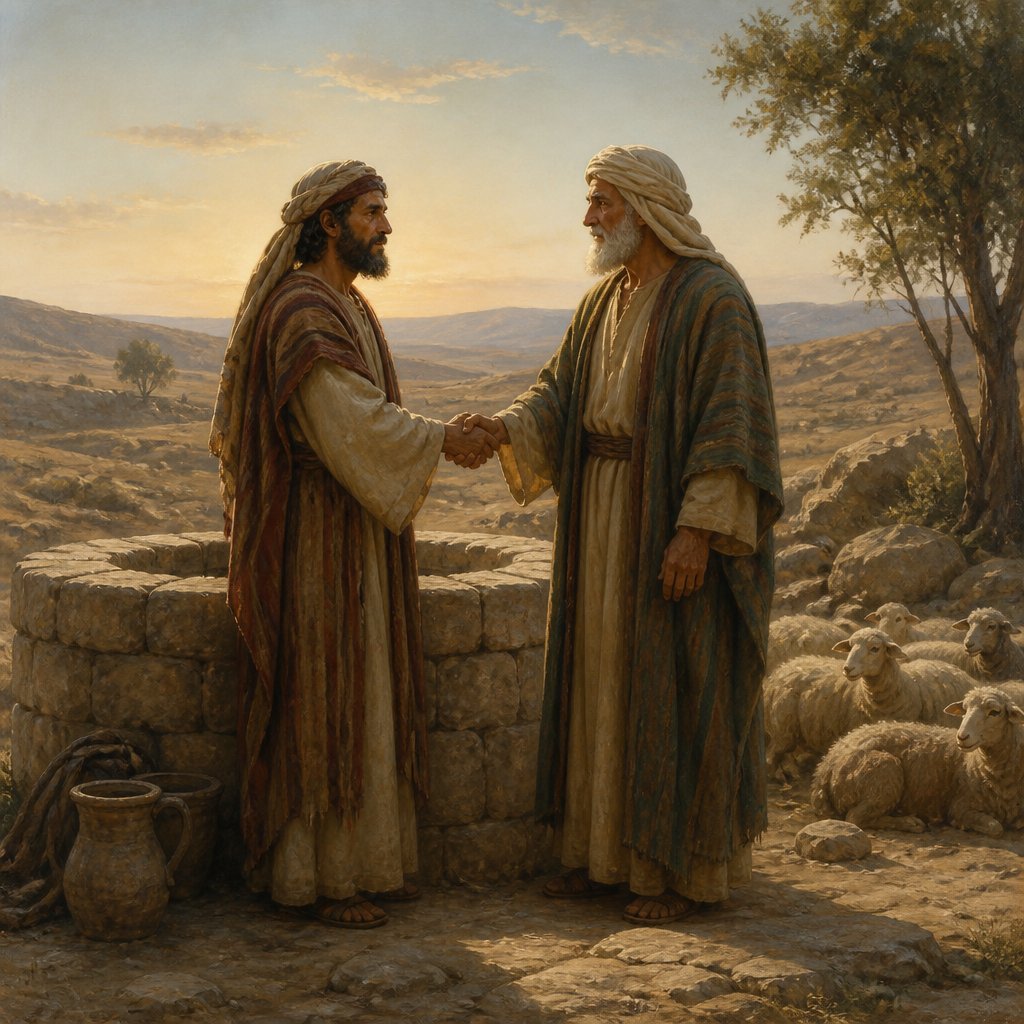
In Genesis 21:31, we find the pivotal moment where the name “Beer-sheba” is established, which translates to “the well of the oath.” The verse states, “Wherefore he called that place Beer-sheba; because there they sware both of them.” This simple declaration comes at a crucial juncture in the life of Abraham, highlighting the importance of vows, peace, and the necessity of covenant relationships not only with God but also with others.
To understand the setting of Beer-sheba, we must reflect on the preceding events. Abraham, now a patriarch, had experienced both triumphs and trials in his journey of faith. His journey was fraught with challenges, from his departure from Ur to multiple confrontations and alliances, the birth of Isaac, and the eventual banishment of Hagar and Ishmael. In this context, the peace treaty he forms with Abimelech opens a new chapter, and Beer-sheba becomes a symbolic site representing that covenant and assurance of peace.
The establishment of Beer-sheba speaks powerfully to us as believers today about the significance of making oaths or commitments. In a world where commitments are often fleeting and trust is eroded, we have a divine blueprint that emphasizes the sacredness of our words and intentions. In our interactions with others, whether in familial relationships, friendships, or business dealings, our promises are vital. They reflect not only our integrity but also our understanding of God’s character. God is the ultimate oath-keeper, and as His followers, we are called to emulate this trait.
When Abraham and Abimelech swore oaths, they confirmed their intentions to live in peace and maintain mutual respect. This moment reinforces a potent lesson: peace often requires effort and commitment to establish. In our tumultuous friendships, marriage vows, or even in community settings, maintaining peace is an act of diligence, prayer, and often sacrificial love. The commitment to pursue peace is an echo of Romans 12:18, which encourages us to, “If it be possible, as much as lieth in you, live peaceably with all men.”
Moreover, the name Beer-sheba signifies that important moments in our lives are worthy of recognition. Just as Abraham marked this encounter with a name, we too should create spaces in our lives to commemorate our significant experiences with God and others—moments of reconciliation, commitment, and divine intervention. These memorials serve as reminders of God’s faithfulness and the importance of our promises. Investing time in remembering these sacred encounters reinforces our faith and encourages us onward in our spiritual journeys.
As we strive to cultivate meaningful relationships, let us take heed of the lessons of Beer-sheba: First, that our promises are not merely words, but they carry weight and can affect lives profoundly. Secondly, that peace often comes through humble and honest dialogue, recognizing our shared humanity and needs. Third, that we should not shy away from commemorating the significant turnings in our lives, which remind us of God’s sovereignty in guiding us through both trials and triumphs.
Finally, in reflecting on Genesis 21:31, let us pray that our lives become like the wells of Beer-sheba: places of life-giving water, where vows are made, peace is found, and the love of Christ overflows. May we, too, be known by our oaths, our integrity, the blessed peace we share with others, and our unwavering fidelity to God. In these ways, we honor our commitments and demonstrate the very heart of God—a heart that is steadfast, trustworthy, and filled with grace.
Get our apps


Artwork for Genesis 21:31

Genesis 21-31

Genesis 21:31 - "Wherefore he called that place Beer-sheba; because there they sware both of them."
"Wherefore he called that place Beer-sheba; because there they sware both of them." - Genesis 21:31

Genesis 31:21 - "So he fled with all that he had; and he rose up, and passed over the river, and set his face toward the mount Gilead."

Proverbs 31:21

Matthew 21:31

Genesis 18-31

Genesis 31:35

Genesis 19-31

Genesis 24-31

Genesis 21-21

Numbers 21:31 - "¶ Thus Israel dwelt in the land of the Amorites."

Genesis 31:22 - "And it was told Laban on the third day that Jacob was fled."

Proverbs 21:31 - "The horse is prepared against the day of battle: but safety is of the LORD."

Genesis 31:45 - "And Jacob took a stone, and set it up for a pillar."

Genesis 31:47 - "And Laban called it Jegarsahadutha: but Jacob called it Galeed."

Genesis 31:31 - "And Jacob answered and said to Laban, Because I was afraid: for I said, Peradventure thou wouldest take by force thy daughters from me."

Genesis 1:21
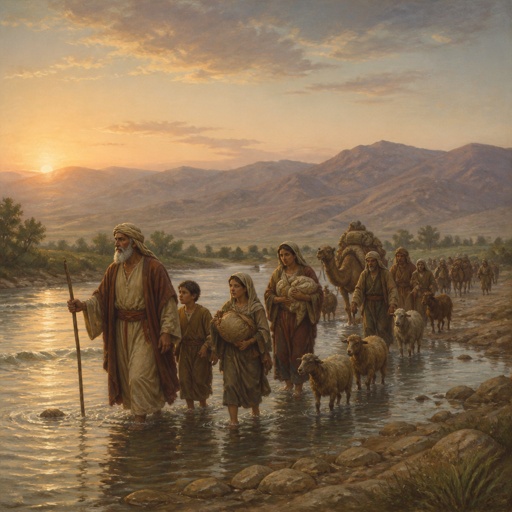
"So he fled with all that he had; and he rose up, and passed over the river, and set his face toward the mount Gilead." - Genesis 31:21

Genesis 1:21

Genesis 34:31 - "And they said, Should he deal with our sister as with an harlot?"

Joshua 21:31 - "Helkath with her suburbs, and Rehob with her suburbs; four cities."

Genesis 25:31 - "And Jacob said, Sell me this day thy birthright."

Genesis 31:2 - "And Jacob beheld the countenance of Laban, and, behold, it was not toward him as before."

Genesis 31:4 - "And Jacob sent and called Rachel and Leah to the field unto his flock,"

Genesis 37:31 - "And they took Joseph's coat, and killed a kid of the goats, and dipped the coat in the blood;"

Genesis 42:31 - "And we said unto him, We are true men; we are no spies:"

Proverbs 31:21 - "She is not afraid of the snow for her household: for all her household are clothed with scarlet."

Genesis 21-20

Genesis 21-6