What does Genesis 21:31 mean?
“Wherefore he called that place Beer-sheba; because there they sware both of them.” — Genesis 21:31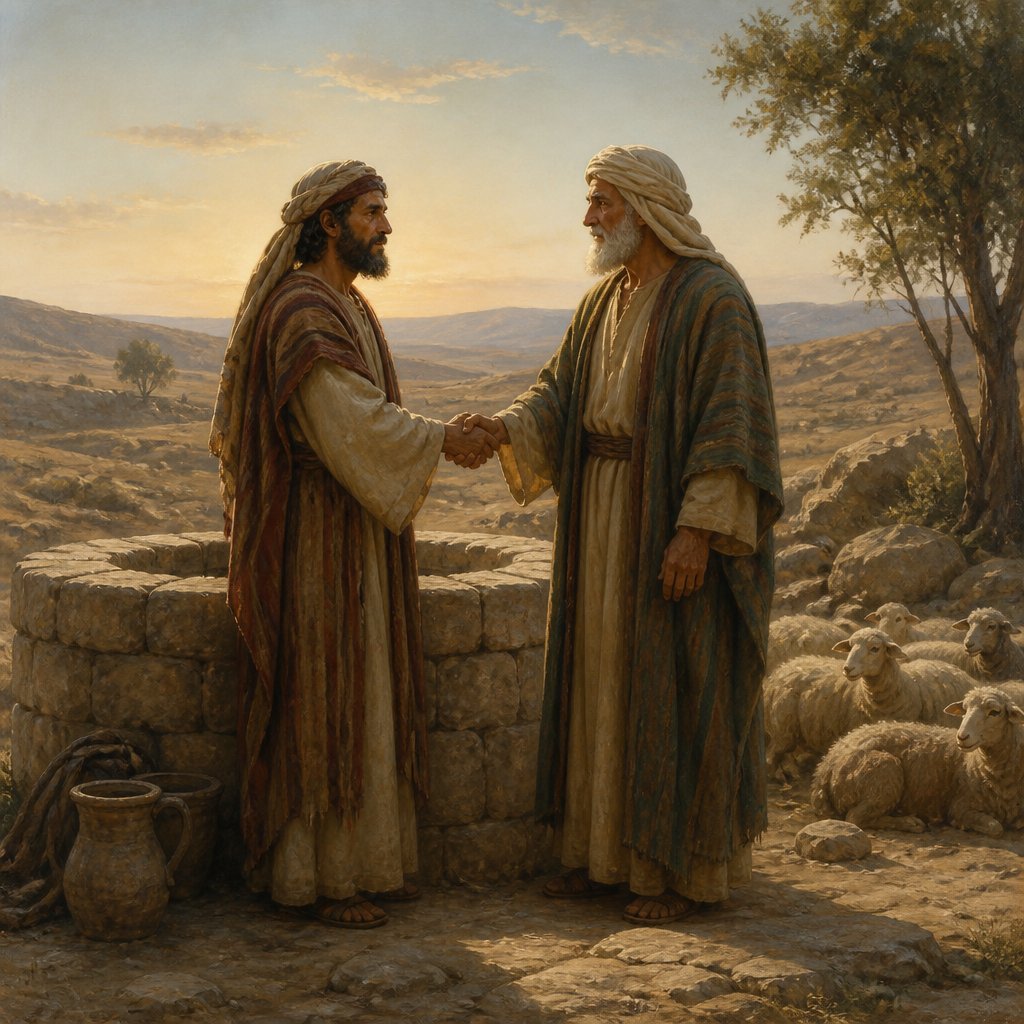
Genesis 21:31 (KJV) "Wherefore he called that place Beersheba; because there they sware both of them."
In order to fully understand the meaning and significance of Genesis 21:31, it is crucial to examine the context in which this verse is situated. This verse is found within the larger narrative of the story of Abraham and Abimelech. In this particular passage, Abraham and Abimelech enter into a covenant agreement concerning a well of water. After some dispute over the well, the two men come to a resolution and swear an oath to uphold their agreement. As a result, Abraham names the place where this oath was made Beersheba, which means "well of the oath" in Hebrew.
The primary theme of Genesis 21:31 is the importance of keeping one's word and the significance of making oaths or agreements. Throughout the Bible, especially in the Old Testament, the concept of making and keeping oaths is emphasized as a fundamental aspect of interpersonal relationships and dealings. This verse serves as a reminder of the importance of integrity and honesty in our interactions with others. It also highlights the value of reaching agreements and finding peaceful resolutions to conflicts, as demonstrated by the reconciliation between Abraham and Abimelech.
Another important theme that can be derived from this verse is the significance of landmarks and place names in biblical narratives. In the ancient world, naming a place often had great symbolic and spiritual significance. The act of naming a location was a way of commemorating significant events, emphasizing the divine presence, or signifying a change in status or purpose. In the case of Beersheba, the naming of the well served as a permanent reminder of the covenant that was made and the reconciliation that took place between Abraham and Abimelech. It also served as a marker for future generations, signifying the sacredness of the site and the importance of the oath that was made there.
Furthermore, the symbolism of water in this verse is worth noting. Water has deep spiritual significance in the Bible and is often associated with life, purification, and sustenance. The well in this passage represents a vital resource that is essential for survival, and the dispute over the well highlights the importance of water in the desert environment where the story takes place. The resolution of the conflict and the oath made at the well serve as a testament to the value of cooperation and peaceful resolution in the pursuit of life-giving resources.
In addition to these themes, Genesis 21:31 also provides insight into the character of Abraham. Throughout the book of Genesis, Abraham is depicted as a man of great faith and integrity, who is unwavering in his commitment to obeying God and upholding his promises. In this passage, Abraham’s willingness to enter into a covenant agreement and his commitment to keeping his word are reflective of these traits. The naming of Beersheba is an example of Abraham's recognition of the divine presence and his desire to honor God through the establishment of a significant landmark.
In conclusion, Genesis 21:31 is a verse that encapsulates several important themes and concepts that are foundational to the biblical narrative. It emphasizes the value of integrity, the significance of place and naming, and the importance of resolving conflicts and making agreements. It also provides insight into the character of Abraham and serves as a reminder of the value of faith and commitment. This verse continues to hold relevance for believers today, as it encourages us to approach our relationships and interactions with honesty, integrity, and a spirit of cooperation.
Get our apps


Artwork for Genesis 21:31

Genesis 21-31

Genesis 21:31 - "Wherefore he called that place Beer-sheba; because there they sware both of them."
"Wherefore he called that place Beer-sheba; because there they sware both of them." - Genesis 21:31

Genesis 31:21 - "So he fled with all that he had; and he rose up, and passed over the river, and set his face toward the mount Gilead."

Proverbs 31:21

Matthew 21:31

Genesis 18-31

Genesis 31:35

Genesis 19-31

Genesis 24-31

Genesis 21-21

Numbers 21:31 - "¶ Thus Israel dwelt in the land of the Amorites."

Genesis 31:22 - "And it was told Laban on the third day that Jacob was fled."

Proverbs 21:31 - "The horse is prepared against the day of battle: but safety is of the LORD."

Genesis 31:45 - "And Jacob took a stone, and set it up for a pillar."

Genesis 31:47 - "And Laban called it Jegarsahadutha: but Jacob called it Galeed."

Genesis 31:31 - "And Jacob answered and said to Laban, Because I was afraid: for I said, Peradventure thou wouldest take by force thy daughters from me."

Genesis 1:21
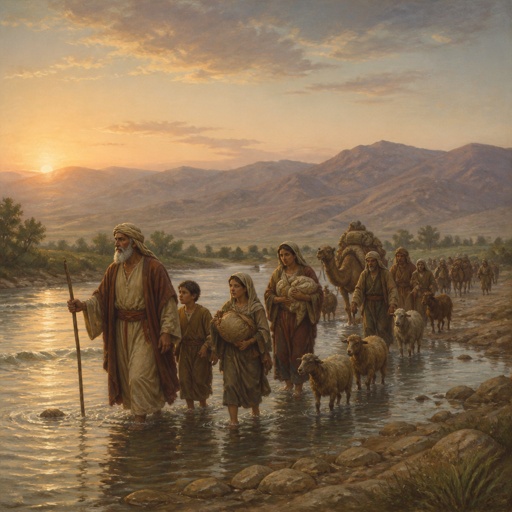
"So he fled with all that he had; and he rose up, and passed over the river, and set his face toward the mount Gilead." - Genesis 31:21

Genesis 1:21

Genesis 34:31 - "And they said, Should he deal with our sister as with an harlot?"

Joshua 21:31 - "Helkath with her suburbs, and Rehob with her suburbs; four cities."

Genesis 25:31 - "And Jacob said, Sell me this day thy birthright."

Genesis 31:2 - "And Jacob beheld the countenance of Laban, and, behold, it was not toward him as before."

Genesis 31:4 - "And Jacob sent and called Rachel and Leah to the field unto his flock,"

Genesis 37:31 - "And they took Joseph's coat, and killed a kid of the goats, and dipped the coat in the blood;"

Genesis 42:31 - "And we said unto him, We are true men; we are no spies:"

Proverbs 31:21 - "She is not afraid of the snow for her household: for all her household are clothed with scarlet."

Genesis 21-20

Genesis 21-6