The Heritage of the Horites: A Divine Legacy of Faithfulness
“These are the sons of Seir the Horite, who inhabited the land; Lotan, and Shobal, and Zibeon, and Anah,” — Genesis 36:20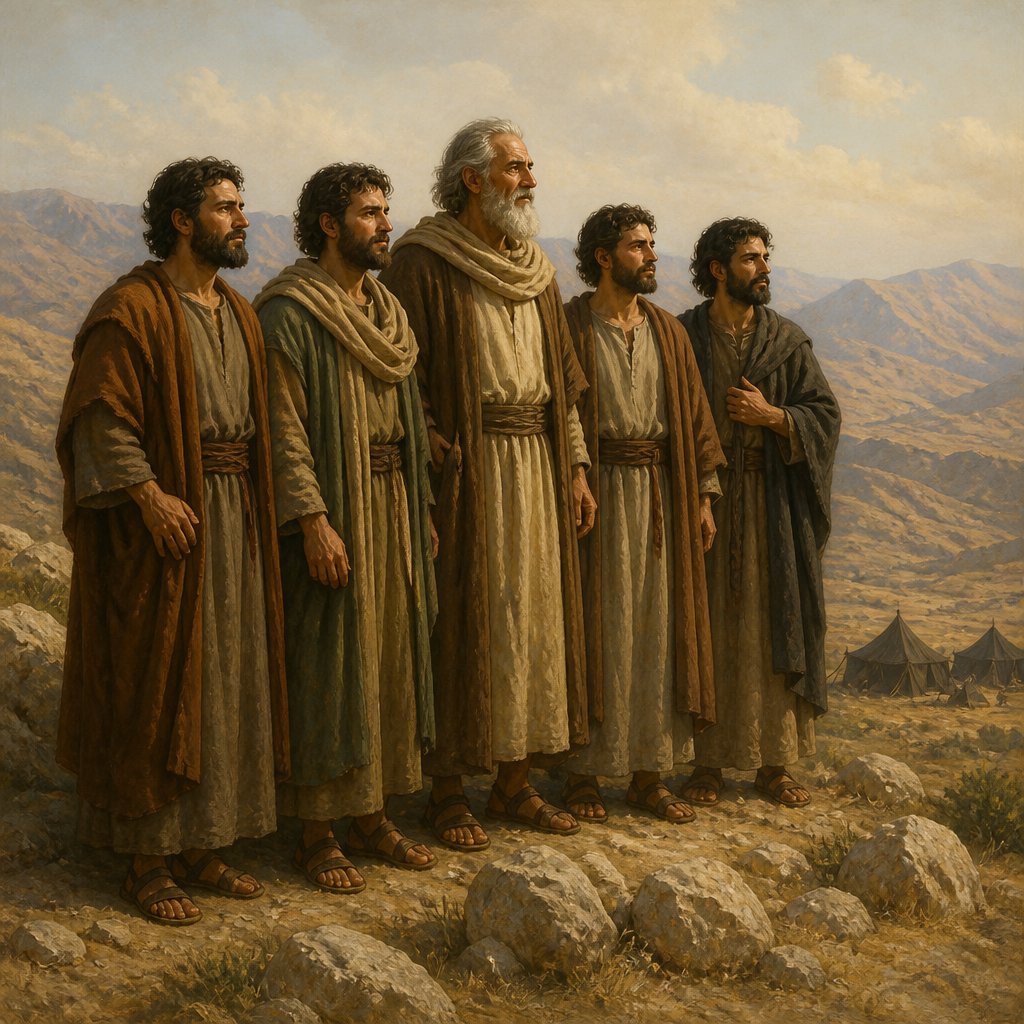
The genealogical records in the Bible may sometimes seem tedious or irrelevant to the modern reader, yet they are rich with cultural and theological significance. Genesis 36:20 states, "These are the sons of Seir the Horite, who inhabited the land; Lotan, and Shobal, and Zibeon, and Anah." This verse is a window into the lives of a people—the Horites—who played a significant role in the history of the Israelite nation. It invites us on a journey of exploration into faith, identity, and purpose woven into the fabric of God’s creation.
The Horites were descendants of Seir and were known for inhabiting the mountainous regions of Edom. Their very mention in the Scriptures highlights God's sovereign involvement in the establishment of nations and peoples. The identity of the Horites as the original inhabitants of Edom before the descendants of Jacob claimed the land reminds us of God’s orchestration in the history of humanity. Each person and nation carries with it a story, a purpose, and a destiny crafted by the Lord Himself.
Why is this relevant today? As believers, we understand that every person has a unique heritage that reflects God's handiwork. Just as the Horites had their lineage, we too have a lineage that shapes our identity and influences our experience. However, unlike the Horites, our heritage is not limited to a geographical region or ancestry; rather, it extends to our status as children of the Most High. Galatians 3:26 tells us, "For ye are all the children of God by faith in Christ Jesus." Our identity is found in Him and not merely in our earthly lineage.
The names mentioned—Lotan, Shobal, Zibeon, and Anah—are not just names; they signify roles, responsibilities, and relationships. Each of these sons likely had an impact on their communities and played a part in the culture of the Horites. Similarly, we are called to be influencers in our environments. Just as the Horites were entrusted with their land, Christians today are stewards of their communities, tasked with shining God's light in a world that often seems overshadowed by darkness.
Moreover, the very existence of this clan serves as a reminder of God’s faithfulness through generations. While the Horites eventually intermingled with other nations and faced various challenges, throughout the history of Israel, God remained faithful to His chosen people. This historical context assures us that amidst our challenges, whether personal or communal, God is steadfast. He walks with us through trials and triumphs alike, using every circumstance to mold us into His likeness.
We should take heart from this lineage; it teaches us that our lives, just like those of Lotan, Shobal, Zibeon, and Anah, carry a legacy that reverberates through generations. Our actions today can set a precedent for future generations. This realization compels us to examine how we live our lives and what legacies we are creating. Are we reflecting God’s love and grace? Are we contributing positively to our communities and being agents of change?
As we meditate on these themes, let us remember that our identity and influence are deeply rooted in our relationship with Christ. While our physical ancestry may guide elements of our character and actions, it is our spiritual lineage through Christ that equips us for service in His kingdom. May we embrace our identity as children of God, choose to honor Him in our lives, and become a lasting blessing to those around us.
In conclusion, Genesis 36:20 serves as a poignant reminder of our past, a call to understand our identity, and an encouragement to actively engage in our surroundings. Just as the Horites were part of a larger narrative in God’s unfolding plan, so too are we. Let us honor our heritage by living boldly for Him.
Get our apps


Artwork for Genesis 36:20

Genesis 36:20 - "¶ These are the sons of Seir the Horite, who inhabited the land; Lotan, and Shobal, and Zibeon, and Anah,"
"¶ These are the sons of Seir the Horite, who inhabited the land; Lotan, and Shobal, and Zibeon, and Anah," - Genesis 36:20

Genesis 36:36 - "And Hadad died, and Samlah of Masrekah reigned in his stead."

Genesis 24:36

Genesis 19-36

Genesis 36:28 - "The children of Dishan are these; Uz, and Aran."

"And Hadad died, and Samlah of Masrekah reigned in his stead." - Genesis 36:36

Genesis 36:27 - "The children of Ezer are these; Bilhan, and Zaavan, and Akan."

Genesis 36:3 - "And Bashemath Ishmael's daughter, sister of Nebajoth."

Genesis 36:19 - "These are the sons of Esau, who is Edom, and these are their dukes."

Genesis 36:1 - "Now these are the generations of Esau, who is Edom."

Genesis 36:26 - "And these are the children of Dishon; Hemdan, and Eshban, and Ithran, and Cheran."

Genesis 36:42 - "Duke Kenaz, duke Teman, duke Mibzar,"

Genesis 36:9 - "¶ And these are the generations of Esau the father of the Edomites in mount Seir:"

Genesis 36:41 - "Duke Aholibamah, duke Elah, duke Pinon,"

Job 36:20 - "Desire not the night, when people are cut off in their place."

Genesis 36:8 - "Thus dwelt Esau in mount Seir: Esau is Edom."

Genesis 19:36 - "Thus were both the daughters of Lot with child by their father."

Exodus 36:20 - "¶ And he made boards for the tabernacle of shittim wood, standing up."

Genesis 36:25 - "And the children of Anah were these; Dishon, and Aholibamah the daughter of Anah."

Genesis 36:4 - "And Adah bare to Esau Eliphaz; and Bashemath bare Reuel;"

Genesis 36:11 - "And the sons of Eliphaz were Teman, Omar, Zepho, and Gatam, and Kenaz."

Genesis 36:23 - "And the children of Shobal were these; Alvan, and Manahath, and Ebal, Shepho, and Onam."

Genesis 36:34 - "And Jobab died, and Husham of the land of Temani reigned in his stead."

Genesis 36:22 - "And the children of Lotan were Hori and Hemam; and Lotan's sister was Timna."
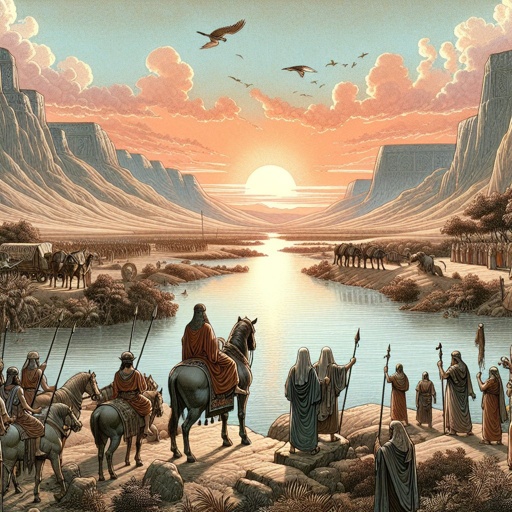
Genesis 36:37 - "And Samlah died, and Saul of Rehoboth by the river reigned in his stead."

Genesis 36:33 - "And Bela died, and Jobab the son of Zerah of Bozrah reigned in his stead."

Genesis 36:38 - "And Saul died, and Baal-hanan the son of Achbor reigned in his stead."

Genesis 36:21 - "And Dishon, and Ezer, and Dishan: these are the dukes of the Horites, the children of Seir in the land of Edom."

Genesis 36:32 - "And Bela the son of Beor reigned in Edom: and the name of his city was Dinhabah."