What does Genesis 36:20 mean?
“These are the sons of Seir the Horite, who inhabited the land; Lotan, and Shobal, and Zibeon, and Anah,” — Genesis 36:20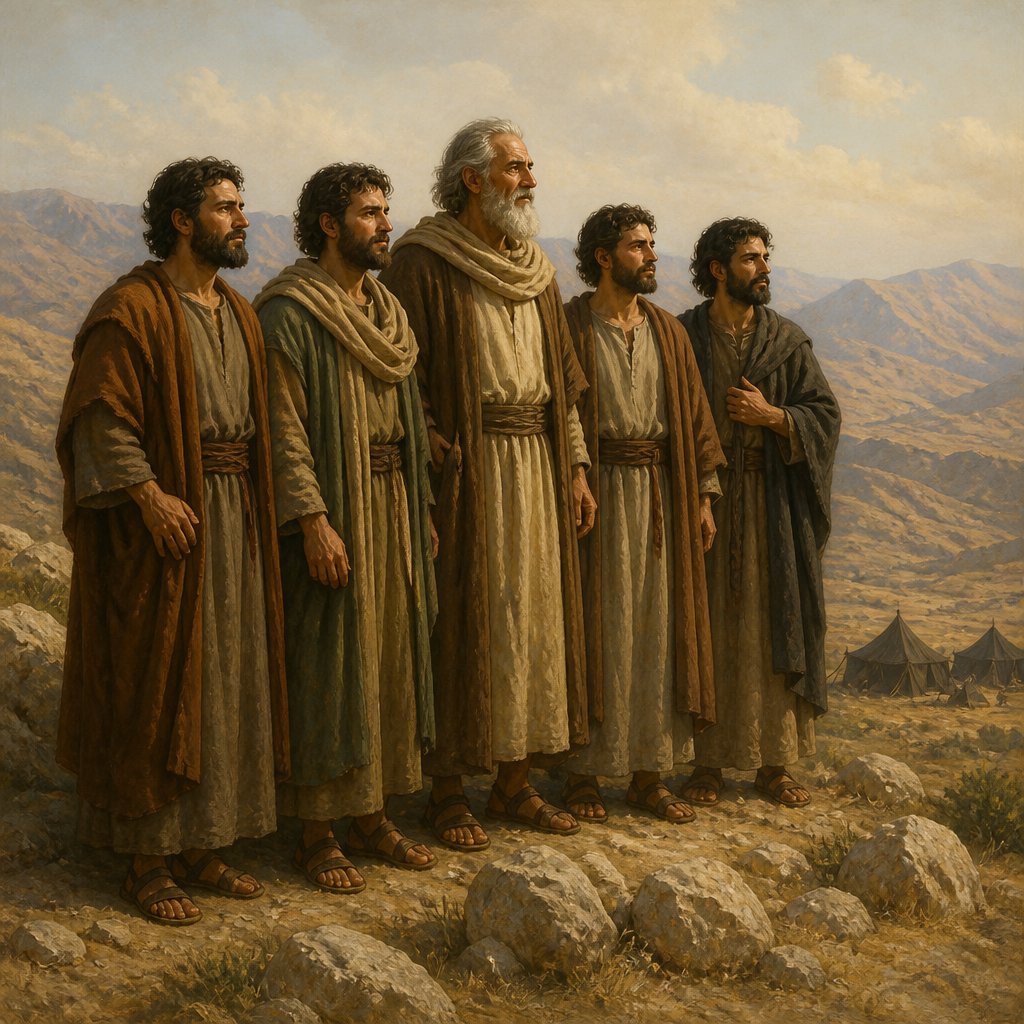
Genesis 36:20 - These are the sons of Seir the Horite, who inhabited the land; Lotan, and Shobal, and Zibeon, and Anah.
In order to fully understand the meaning and significance of Genesis 36:20, it is important to provide some context to this verse. This verse is part of the genealogy of Esau, the elder twin son of Isaac and Rebekah, and the brother of Jacob. Esau's descendants are listed in the chapter, and Genesis 36:20 specifically mentions the sons of Seir the Horite, who inhabited the land.
The inclusion of the genealogy of Esau and his descendants in the book of Genesis serves several purposes. Firstly, it provides historical context and background information regarding the origins and lineage of the Edomites, who were the descendants of Esau. Secondly, it demonstrates the fulfillment of God's promise to Abraham that his descendants would be numerous and would inherit the land. Finally, it highlights the interconnectedness of the tribes and nations that emerged from the lineages of Jacob and Esau.
Now, let us delve into the deeper meaning and commentary of Genesis 36:20. The mention of Seir the Horite emphasizes the importance of ancestral heritage and the significance of land and territory in the biblical narrative. The Horites were a group of people who inhabited the hill country of Seir before it was inhabited by the descendants of Esau. This indicates the shifting and settling of different tribes and peoples in the region, reflecting the dynamic nature of human history and the complexities of territorial ownership and occupation.
The names of the sons of Seir - Lotan, Shobal, Zibeon, and Anah - are symbolic of the diverse and multifaceted nature of human existence. Each name represents a distinct individual with their own unique identity and role in shaping the course of history. The inclusion of these names serves to remind us of the countless lives that have contributed to the unfolding of God's plan and the intricate tapestry of human experience.
Furthermore, the mention of the land inhabited by Seir the Horite carries symbolic weight in the biblical narrative. The land is not just a geographical location, but a symbol of inheritance, promise, and divine providence. It represents the physical and spiritual sustenance that God provides for His people, and the enduring legacy of faith and perseverance.
In a broader theological sense, Genesis 36:20 also highlights the theme of divine providence and sovereignty. The intricate details of genealogy and lineage convey the intricate workings of God's plan for His people, even in the midst of human frailty and imperfection. The inclusion of seemingly mundane details in the biblical narrative serves to remind us of the overarching providential care and guidance of God, who orchestrates the course of history for His redemptive purposes.
In conclusion, Genesis 36:20 is a verse that may appear to be a simple list of names, but within its context and symbolism, it encapsulates profound themes of heritage, providence, and the interwoven destinies of humanity. It invites us to reflect on the intricate tapestry of human history and the profound significance of our individual roles within the larger narrative of God's redemptive plan. As we ponder the names of the sons of Seir, let us be reminded of our own place within the grand narrative of God's saving work and the timeless legacy of faith that we are called to embody.
Get our apps


Artwork for Genesis 36:20

Genesis 36:20 - "¶ These are the sons of Seir the Horite, who inhabited the land; Lotan, and Shobal, and Zibeon, and Anah,"
"¶ These are the sons of Seir the Horite, who inhabited the land; Lotan, and Shobal, and Zibeon, and Anah," - Genesis 36:20

Genesis 36:36 - "And Hadad died, and Samlah of Masrekah reigned in his stead."

Genesis 24:36

Genesis 19-36

Genesis 36:28 - "The children of Dishan are these; Uz, and Aran."

"And Hadad died, and Samlah of Masrekah reigned in his stead." - Genesis 36:36

Genesis 36:27 - "The children of Ezer are these; Bilhan, and Zaavan, and Akan."

Genesis 36:3 - "And Bashemath Ishmael's daughter, sister of Nebajoth."

Genesis 36:19 - "These are the sons of Esau, who is Edom, and these are their dukes."

Genesis 36:1 - "Now these are the generations of Esau, who is Edom."

Genesis 36:26 - "And these are the children of Dishon; Hemdan, and Eshban, and Ithran, and Cheran."

Genesis 36:42 - "Duke Kenaz, duke Teman, duke Mibzar,"

Genesis 36:9 - "¶ And these are the generations of Esau the father of the Edomites in mount Seir:"

Genesis 36:41 - "Duke Aholibamah, duke Elah, duke Pinon,"

Job 36:20 - "Desire not the night, when people are cut off in their place."

Genesis 36:8 - "Thus dwelt Esau in mount Seir: Esau is Edom."

Genesis 19:36 - "Thus were both the daughters of Lot with child by their father."

Exodus 36:20 - "¶ And he made boards for the tabernacle of shittim wood, standing up."

Genesis 36:25 - "And the children of Anah were these; Dishon, and Aholibamah the daughter of Anah."

Genesis 36:4 - "And Adah bare to Esau Eliphaz; and Bashemath bare Reuel;"

Genesis 36:11 - "And the sons of Eliphaz were Teman, Omar, Zepho, and Gatam, and Kenaz."

Genesis 36:23 - "And the children of Shobal were these; Alvan, and Manahath, and Ebal, Shepho, and Onam."

Genesis 36:34 - "And Jobab died, and Husham of the land of Temani reigned in his stead."

Genesis 36:22 - "And the children of Lotan were Hori and Hemam; and Lotan's sister was Timna."
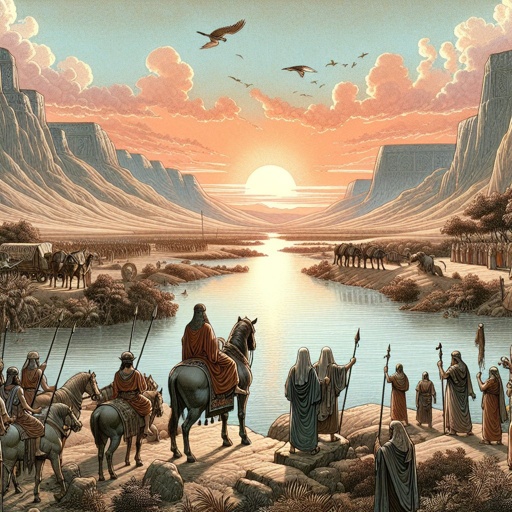
Genesis 36:37 - "And Samlah died, and Saul of Rehoboth by the river reigned in his stead."

Genesis 36:33 - "And Bela died, and Jobab the son of Zerah of Bozrah reigned in his stead."

Genesis 36:38 - "And Saul died, and Baal-hanan the son of Achbor reigned in his stead."

Genesis 36:21 - "And Dishon, and Ezer, and Dishan: these are the dukes of the Horites, the children of Seir in the land of Edom."

Genesis 36:32 - "And Bela the son of Beor reigned in Edom: and the name of his city was Dinhabah."