Embracing Our Heritage: Lessons from Bashemath and Nebajoth
“And Bashemath Ishmael’s daughter, sister of Nebajoth.” — Genesis 36:3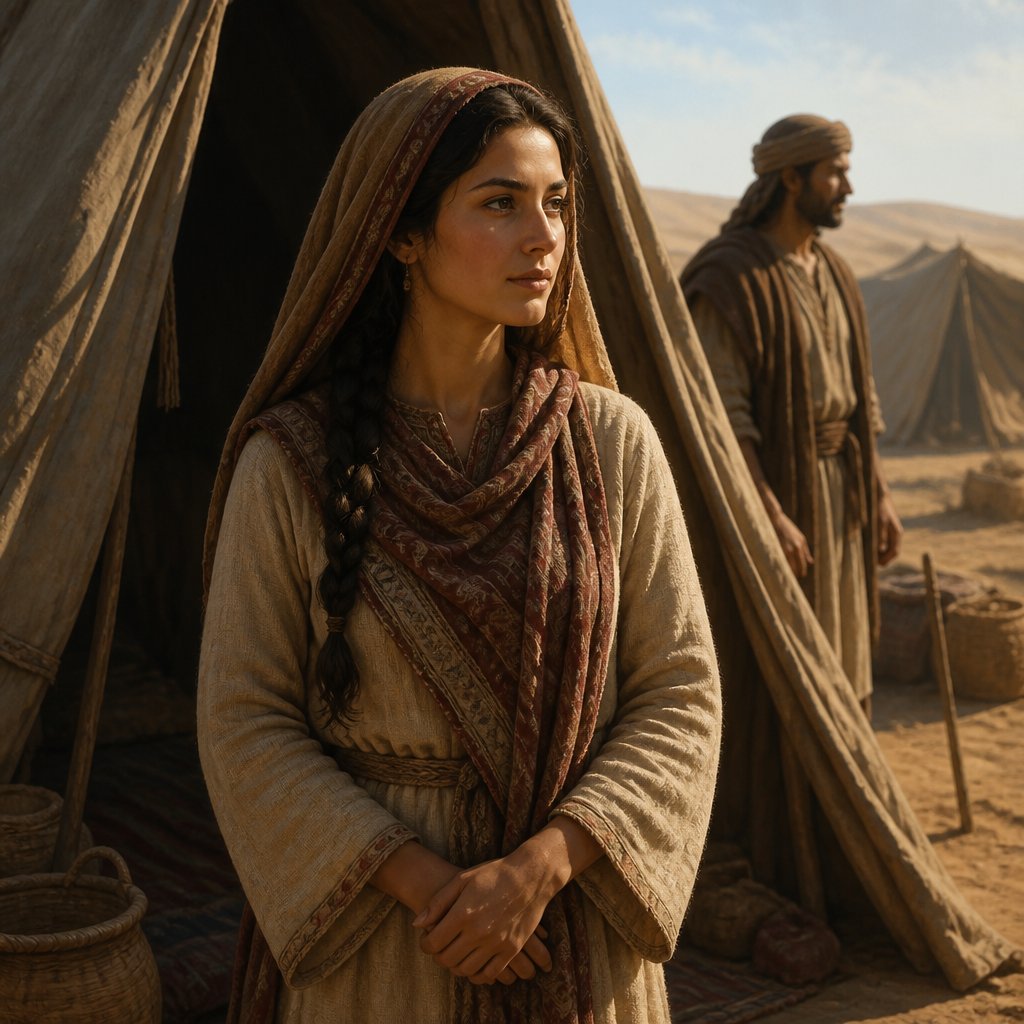
In the annals of the Old Testament, the narrative of Genesis 36 offers a glimpse into the lineage of Esau, detailing the descendants of Edom, where we encounter the mention of a woman named Bashemath. The King James Version (KJV) states, "And Bashemath Ishmael's daughter, sister of Nebajoth." (Genesis 36:3). At first glance, this verse may seem like just another genealogical reference, but within it lies crucial insights about identity, legacy, and faith.
Bashemath was not just a name on a family tree; she was the daughter of Ishmael and the sister of Nebajoth. Understanding her lineage invites us to reflect on what it means to carry both the weight of our heritage and the purpose of our individual identity. Ishmael, the son of Abraham, represents a division in the family of faith—he was cast out alongside his mother Hagar, a significant moment that shaped the nation of Israel and the Arab world. He is often seen as an outsider to the covenant blessings bestowed upon Isaac and his descendants.
Bashemath's relationship with Ishmael reflects the complexities of our bloodlines. How often do we grapple with the tension between our past and our forebearers? We may inherit good qualities, strength, and faith from our families, but we may also carry burdens, traumas, or ways of thinking that are less than godly. Bashemath stands as a symbol of how God can work through family legacies, transforming what seems like a mere historical footnote into a powerful testament of grace.
Moreover, her connection to Nebajoth, who is noted as her brother, provides us with a critical view of familial roles. Nebajoth is seen as a reference point in the lineage of the Ishmaelites and highlights the dynamics of sibling relationships. In biblical contexts, such relationships often carry weighty implications—they denote alliances, conflicts, and the potential for shared destiny. In today's world, our siblings, whether biological or spiritual, also shape our journeys, teaching us lessons about loyalty, compassion, and even rivalry. God can use these relationships to bless others and to teach us perseverance.
The mention of Bashemath and Nebajoth highlights the intersection of covenant and legacy. In scripture, God frequently honors familial ties and illustrates His faithfulness across generations. The God who initiated covenants with Abraham, Isaac, and Jacob also sees the lesser-known characters who exist within those narratives. Just because someone is not a patriarch or a matriarch does not mean they are unimportant. Each person holds their purpose in the greater story of redemption.
As we meditate on Genesis 36:3, we are reminded that all of our identities are influenced by family legacies, and while our past may shape us, it does not define us. Like Bashemath, we can rise above our family heritages and be agents of change in our narratives. We may even need to break cycles of sin or dysfunction that have plagued our families for generations.
Furthermore, we have the opportunity to create new legacies. As we engage with God through prayer and scripture, we can cut away the negativity that hinders growth and embrace the richness of our identities as children of God and heirs to His promises. Our decisions, attitudes, and actions today will echo in the lives of the generations that follow.
In conclusion, Bashemath's mention in this genealogy chain serves not merely as historical record but as a poignant reminder to embrace our heritage, to ponder our identities, and to actively shape our legacies through faithfulness to God. Let us seek understanding not only of where we come from but also of where we are going, embracing our God-given purpose as we journey forward.
Get our apps


Artwork for Genesis 36:3

Genesis 36:3 - "And Bashemath Ishmael's daughter, sister of Nebajoth."
"And Bashemath Ishmael's daughter, sister of Nebajoth." - Genesis 36:3

Genesis 36:36 - "And Hadad died, and Samlah of Masrekah reigned in his stead."

Genesis 24:36

Genesis 19-36

Genesis 36:28 - "The children of Dishan are these; Uz, and Aran."

"And Hadad died, and Samlah of Masrekah reigned in his stead." - Genesis 36:36

Genesis 36:27 - "The children of Ezer are these; Bilhan, and Zaavan, and Akan."

Genesis 36:19 - "These are the sons of Esau, who is Edom, and these are their dukes."

Genesis 36:1 - "Now these are the generations of Esau, who is Edom."

Genesis 36:26 - "And these are the children of Dishon; Hemdan, and Eshban, and Ithran, and Cheran."

Genesis 36:42 - "Duke Kenaz, duke Teman, duke Mibzar,"

Genesis 36:9 - "¶ And these are the generations of Esau the father of the Edomites in mount Seir:"

Genesis 36:41 - "Duke Aholibamah, duke Elah, duke Pinon,"

Genesis 19:36 - "Thus were both the daughters of Lot with child by their father."

Genesis 36:8 - "Thus dwelt Esau in mount Seir: Esau is Edom."

Genesis 36:25 - "And the children of Anah were these; Dishon, and Aholibamah the daughter of Anah."

Genesis 36:4 - "And Adah bare to Esau Eliphaz; and Bashemath bare Reuel;"

Genesis 36:11 - "And the sons of Eliphaz were Teman, Omar, Zepho, and Gatam, and Kenaz."

Genesis 36:23 - "And the children of Shobal were these; Alvan, and Manahath, and Ebal, Shepho, and Onam."

Genesis 36:34 - "And Jobab died, and Husham of the land of Temani reigned in his stead."

Genesis 36:22 - "And the children of Lotan were Hori and Hemam; and Lotan's sister was Timna."
Genesis 36:37 - "And Samlah died, and Saul of Rehoboth by the river reigned in his stead."

Genesis 36:33 - "And Bela died, and Jobab the son of Zerah of Bozrah reigned in his stead."

Genesis 36:38 - "And Saul died, and Baal-hanan the son of Achbor reigned in his stead."

Genesis 36:21 - "And Dishon, and Ezer, and Dishan: these are the dukes of the Horites, the children of Seir in the land of Edom."

Genesis 36:32 - "And Bela the son of Beor reigned in Edom: and the name of his city was Dinhabah."

"The children of Dishan are these; Uz, and Aran." - Genesis 36:28

Genesis 37:36 - "And the Midianites sold him into Egypt unto Potiphar, an officer of Pharaoh's, and captain of the guard."

Genesis 36:20 - "¶ These are the sons of Seir the Horite, who inhabited the land; Lotan, and Shobal, and Zibeon, and Anah,"