What does Genesis 36:3 mean?
“And Bashemath Ishmael’s daughter, sister of Nebajoth.” — Genesis 36:3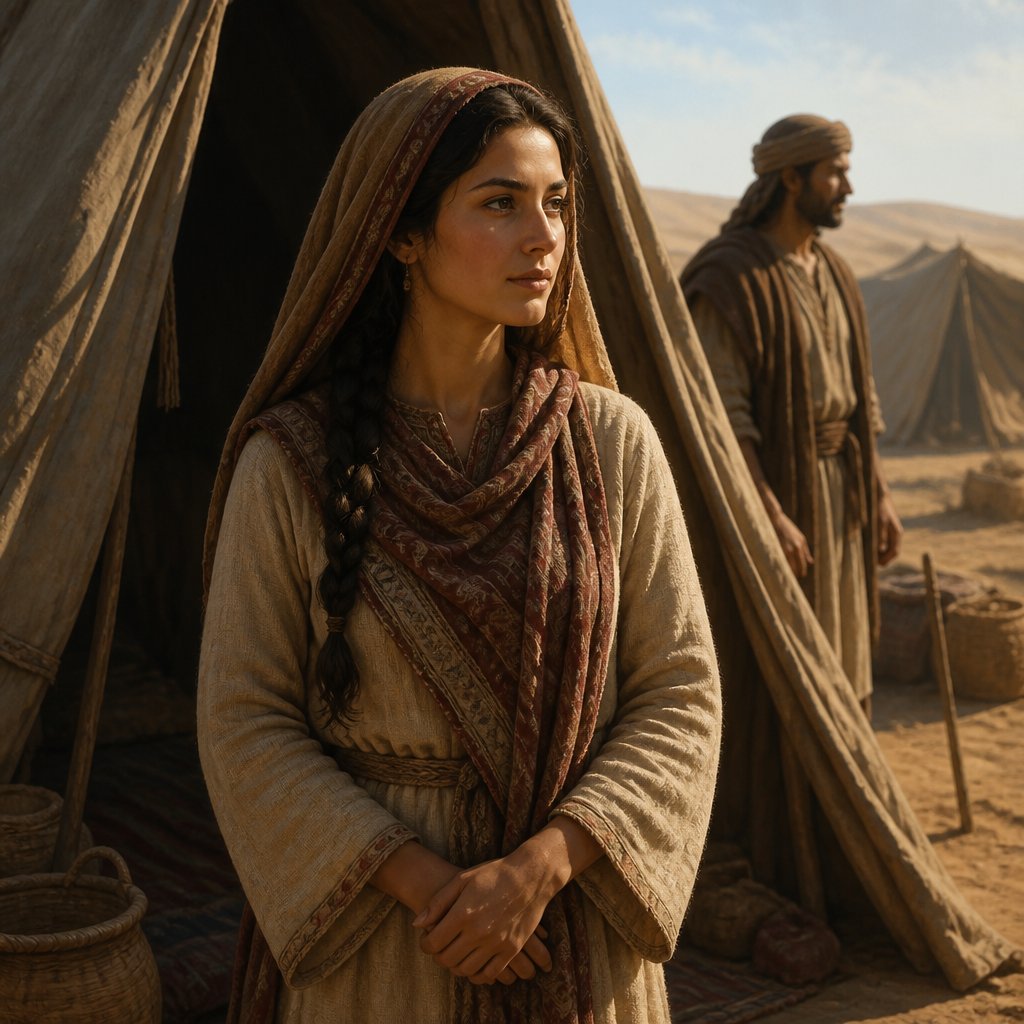
Genesis 36:3 KJV: "And Bashemath Ishmael's daughter, sister of Nebajoth."
The book of Genesis, the first book of the Bible, provides a detailed account of the creation of the world and the history of the early patriarchs of the Israelites. This particular verse is found in the genealogy of Esau, the brother of Jacob. It serves as a record of Esau's descendants, and specifically mentions his marriage to Bashemath, the daughter of Ishmael and sister of Nebajoth.
To fully comprehend the significance of this verse, it is essential to understand its larger context. The story of Esau and his descendants is closely intertwined with the theme of inheritance and lineage, which are crucial concepts in the Bible. In the narrative, Esau is the older twin brother of Jacob, and he is the firstborn son of Isaac and Rebekah. According to traditional customs and biblical principles, the firstborn son holds a position of high honor and is entitled to a double portion of the family's inheritance. However, Esau's impulsive decision to trade his birthright to Jacob for a bowl of stew (Genesis 25:29-34) has significant consequences for his future and that of his descendants.
In Genesis 36, the chapter from which the verse is taken, the focus shifts from the narrative of Jacob to the genealogy of Esau. This genealogy serves to demonstrate the fulfillment of God's promise to Abraham that his descendants would be as numerous as the stars in the sky (Genesis 15:5). It lists the names of Esau's wives, sons, and daughters, along with the rulers and chiefs who emerged from his lineage. The mention of Bashemath, Ishmael's daughter and Nebajoth's sister, is a crucial part of this genealogical account, as it highlights the interconnection between the descendants of Esau and Ishmael, the elder son of Abraham through Hagar, Sarah's maidservant.
The symbolism and significance of this verse can be interpreted in several ways. First and foremost, it reflects the intersection of different lineages within the broader framework of God's plan for the nations. The inclusion of Ishmael's daughter in Esau's genealogy symbolizes the interconnectedness of the descendants of Abraham and their collective role in God's redemptive plan. It also serves as a reminder of the intricate and complex nature of human history, where lineages and bloodlines intertwine and shape the course of events.
Furthermore, the mention of Bashemath as Esau's wife denotes the establishment and continuation of familial relationships, as well as the perpetuation of the Abrahamic Covenant through subsequent generations. In a broader sense, it emphasizes the significance of marriage and union in the biblical narrative, as it is through the union of individuals from different lineages that God's plan unfolds and his promises are fulfilled.
From a thematic perspective, this verse also underscores the theme of God's sovereignty and faithfulness in fulfilling his promises. Despite the complexities and intricacies of human relationships and lineages, God's overarching plan for the nations and his commitment to his chosen people remain unwavering. The inclusion of Bashemath, Ishmael's daughter, in Esau's genealogy serves as a testament to God's inclusive and redemptive plan for all of humanity, transcending boundaries of ethnicity and lineage.
In conclusion, Genesis 36:3 KJV, with its reference to Bashemath, Ishmael's daughter and sister of Nebajoth, holds a deep and profound significance within the broader narrative of the book of Genesis. It symbolizes the interconnectedness of lineages, the perpetuation of God's promises through marriage and familial relationships, and the overarching theme of God's sovereignty and faithfulness. As with all biblical verses, its true meaning and significance can be further discerned through prayerful meditation and careful study of the Word of God.
Get our apps


Artwork for Genesis 36:3

Genesis 36:3 - "And Bashemath Ishmael's daughter, sister of Nebajoth."
"And Bashemath Ishmael's daughter, sister of Nebajoth." - Genesis 36:3

Genesis 36:36 - "And Hadad died, and Samlah of Masrekah reigned in his stead."

Genesis 24:36

Genesis 19-36

Genesis 36:28 - "The children of Dishan are these; Uz, and Aran."

"And Hadad died, and Samlah of Masrekah reigned in his stead." - Genesis 36:36

Genesis 36:27 - "The children of Ezer are these; Bilhan, and Zaavan, and Akan."

Genesis 36:19 - "These are the sons of Esau, who is Edom, and these are their dukes."

Genesis 36:1 - "Now these are the generations of Esau, who is Edom."

Genesis 36:26 - "And these are the children of Dishon; Hemdan, and Eshban, and Ithran, and Cheran."

Genesis 36:42 - "Duke Kenaz, duke Teman, duke Mibzar,"

Genesis 36:9 - "¶ And these are the generations of Esau the father of the Edomites in mount Seir:"

Genesis 36:41 - "Duke Aholibamah, duke Elah, duke Pinon,"

Genesis 19:36 - "Thus were both the daughters of Lot with child by their father."

Genesis 36:8 - "Thus dwelt Esau in mount Seir: Esau is Edom."

Genesis 36:25 - "And the children of Anah were these; Dishon, and Aholibamah the daughter of Anah."

Genesis 36:4 - "And Adah bare to Esau Eliphaz; and Bashemath bare Reuel;"

Genesis 36:11 - "And the sons of Eliphaz were Teman, Omar, Zepho, and Gatam, and Kenaz."

Genesis 36:23 - "And the children of Shobal were these; Alvan, and Manahath, and Ebal, Shepho, and Onam."

Genesis 36:34 - "And Jobab died, and Husham of the land of Temani reigned in his stead."

Genesis 36:22 - "And the children of Lotan were Hori and Hemam; and Lotan's sister was Timna."
Genesis 36:37 - "And Samlah died, and Saul of Rehoboth by the river reigned in his stead."

Genesis 36:33 - "And Bela died, and Jobab the son of Zerah of Bozrah reigned in his stead."

Genesis 36:38 - "And Saul died, and Baal-hanan the son of Achbor reigned in his stead."

Genesis 36:21 - "And Dishon, and Ezer, and Dishan: these are the dukes of the Horites, the children of Seir in the land of Edom."

Genesis 36:32 - "And Bela the son of Beor reigned in Edom: and the name of his city was Dinhabah."

"The children of Dishan are these; Uz, and Aran." - Genesis 36:28

Genesis 37:36 - "And the Midianites sold him into Egypt unto Potiphar, an officer of Pharaoh's, and captain of the guard."

Genesis 36:20 - "¶ These are the sons of Seir the Horite, who inhabited the land; Lotan, and Shobal, and Zibeon, and Anah,"