The Legacy of Esau: Understanding Generational Influence
“And these are the generations of Esau the father of the Edomites in mount Seir:” — Genesis 36:9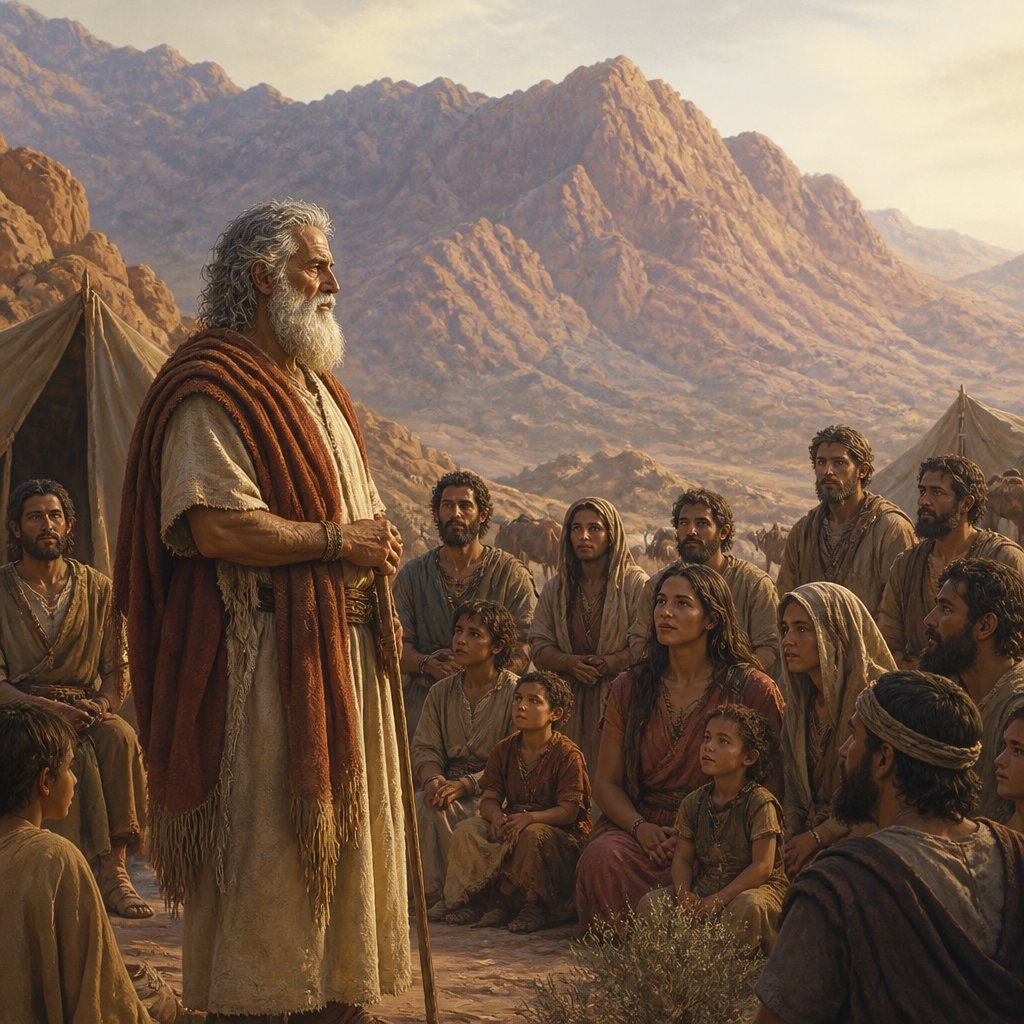
In the Bible, few figures provoke as much contemplation as Esau, the elder son of Isaac and Rebekah, who is often overshadowed by his brother, Jacob. Yet, in Genesis 36:9 (KJV), we read, "And these are the generations of Esau the father of the Edomites in mount Seir:" This verse invites us to reflect on Esau's identity, lineage, and the implications of generational influence in our own lives.
Genesis 36 unfolds the story of Esau's descendants, highlighting both his significance and the direction of his legacy. By identifying Esau as the patriarch of the Edomites, the Scripture unravels the deep connections between family, place, and identity. Esau and Jacob were born as twins, yet their lives took drastically different paths. While Jacob became known as Israel, establishing the nation of God's chosen people, Esau's role developed into that of a nation largely estranged from the covenant promises given to Abraham and Isaac.
As we meditate on this verse, we need to acknowledge the complexities of Esau's character. While he is often depicted as impulsive—trading his birthright for a meal in Genesis 25:29-34—he is also a man of strength and resilience, forging a life for himself away from the household of his father. Esau settled in mount Seir, illustrating his independence and determination to carve out a legacy distinct from that of Jacob. In a world that often values individualism, Esau serves as a reminder of human choice and the impact it has on generations.
Edom, the nation birthed from Esau's lineage, would go on to play a significant role in biblical history, often reflecting various spiritual and moral states throughout the years. The Edomites are cited in numerous instances in Scripture as either adversaries or, at times, as foils to the Israelites. Their history, rooted in Esau, illustrates the consequences of familial discord and unresolved strife, as well as the variables influencing the paths people take.
The legacy of Esau invites believers to reflect on their familial relationships. Are we repeating negative patterns established in our own families? Are we aware of the principles we are passing on to our children? The generational influence is undeniable; the actions we take and the decisions we make today can resonate for years to come. Just as Esau established a lineage that fortified the Edomites, we too are called to examine the spiritual, emotional, and ethical values we impart to future generations.
Moreover, Esau's narrative provides a space for reconciliation and understanding of our own paths. He is often deemed a "man of the world," having traded spiritual inheritance for immediate gratification. However, as we delve deeper into his story, we see a man who eventually reconciled with Jacob (Genesis 33), demonstrating that return to relationship and reconciliation is always possible, regardless of one’s past. This is a powerful message of hope, reminding us that our past choices do not have to dictate our future relationships or our legacies.
In our examination of the generations of Esau, we must not forget that God’s overarching narrative encompasses redemption. While the lineage of Esau is separate from that of Jacob and the nation of Israel, God holds space for all stories, all legacies, and all people. As believers, we should aspire not only to focus on our own spiritual heritage but also to foster relationships that reflect grace, mercy, and redemption in our own generational narrative.
In conclusion, Genesis 36:9 opens up a world of theological reflection on family, identity, and legacy. As we understand Esau through the lens of his generations, may we also embrace our own roles in shaping the spiritual legacy we wish to leave behind. Whether we feel bound to repeat ancestral patterns or feel called to break free from them, we must remember that our legacy is built upon daily choices—and with God's guidance, we can establish a heritage of faith, hope, and love.
Get our apps


Artwork for Genesis 36:9

Genesis 36:9 - "¶ And these are the generations of Esau the father of the Edomites in mount Seir:"
"¶ And these are the generations of Esau the father of the Edomites in mount Seir:" - Genesis 36:9

Genesis 36:36 - "And Hadad died, and Samlah of Masrekah reigned in his stead."

Genesis 24:36

Genesis 19-36

Genesis 36:28 - "The children of Dishan are these; Uz, and Aran."

"And Hadad died, and Samlah of Masrekah reigned in his stead." - Genesis 36:36

Genesis 36:27 - "The children of Ezer are these; Bilhan, and Zaavan, and Akan."

Genesis 36:19 - "These are the sons of Esau, who is Edom, and these are their dukes."

Genesis 36:3 - "And Bashemath Ishmael's daughter, sister of Nebajoth."

Genesis 36:1 - "Now these are the generations of Esau, who is Edom."

Genesis 36:26 - "And these are the children of Dishon; Hemdan, and Eshban, and Ithran, and Cheran."

Genesis 36:42 - "Duke Kenaz, duke Teman, duke Mibzar,"

Mark 9:36-37

Genesis 36:41 - "Duke Aholibamah, duke Elah, duke Pinon,"

Genesis 19:36 - "Thus were both the daughters of Lot with child by their father."

Genesis 36:8 - "Thus dwelt Esau in mount Seir: Esau is Edom."

Genesis 36:25 - "And the children of Anah were these; Dishon, and Aholibamah the daughter of Anah."

Genesis 36:4 - "And Adah bare to Esau Eliphaz; and Bashemath bare Reuel;"

Genesis 36:11 - "And the sons of Eliphaz were Teman, Omar, Zepho, and Gatam, and Kenaz."

Genesis 36:23 - "And the children of Shobal were these; Alvan, and Manahath, and Ebal, Shepho, and Onam."

Genesis 36:34 - "And Jobab died, and Husham of the land of Temani reigned in his stead."

Genesis 36:22 - "And the children of Lotan were Hori and Hemam; and Lotan's sister was Timna."
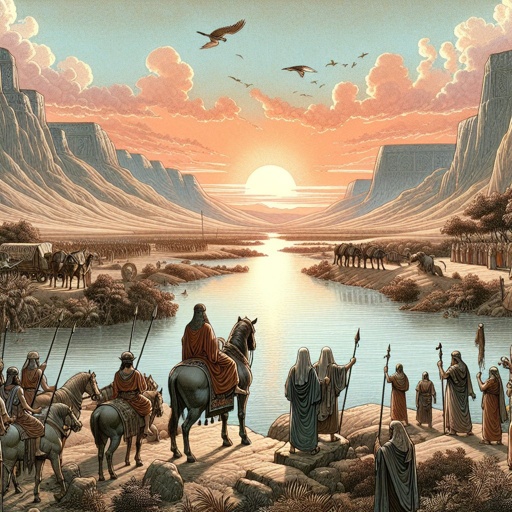
Genesis 36:37 - "And Samlah died, and Saul of Rehoboth by the river reigned in his stead."

2 kings 9:34-36

Genesis 36:33 - "And Bela died, and Jobab the son of Zerah of Bozrah reigned in his stead."

Genesis 36:38 - "And Saul died, and Baal-hanan the son of Achbor reigned in his stead."

Genesis 36:21 - "And Dishon, and Ezer, and Dishan: these are the dukes of the Horites, the children of Seir in the land of Edom."

Genesis 36:32 - "And Bela the son of Beor reigned in Edom: and the name of his city was Dinhabah."

"The children of Dishan are these; Uz, and Aran." - Genesis 36:28