What does Genesis 36:9 mean?
“And these are the generations of Esau the father of the Edomites in mount Seir:” — Genesis 36:9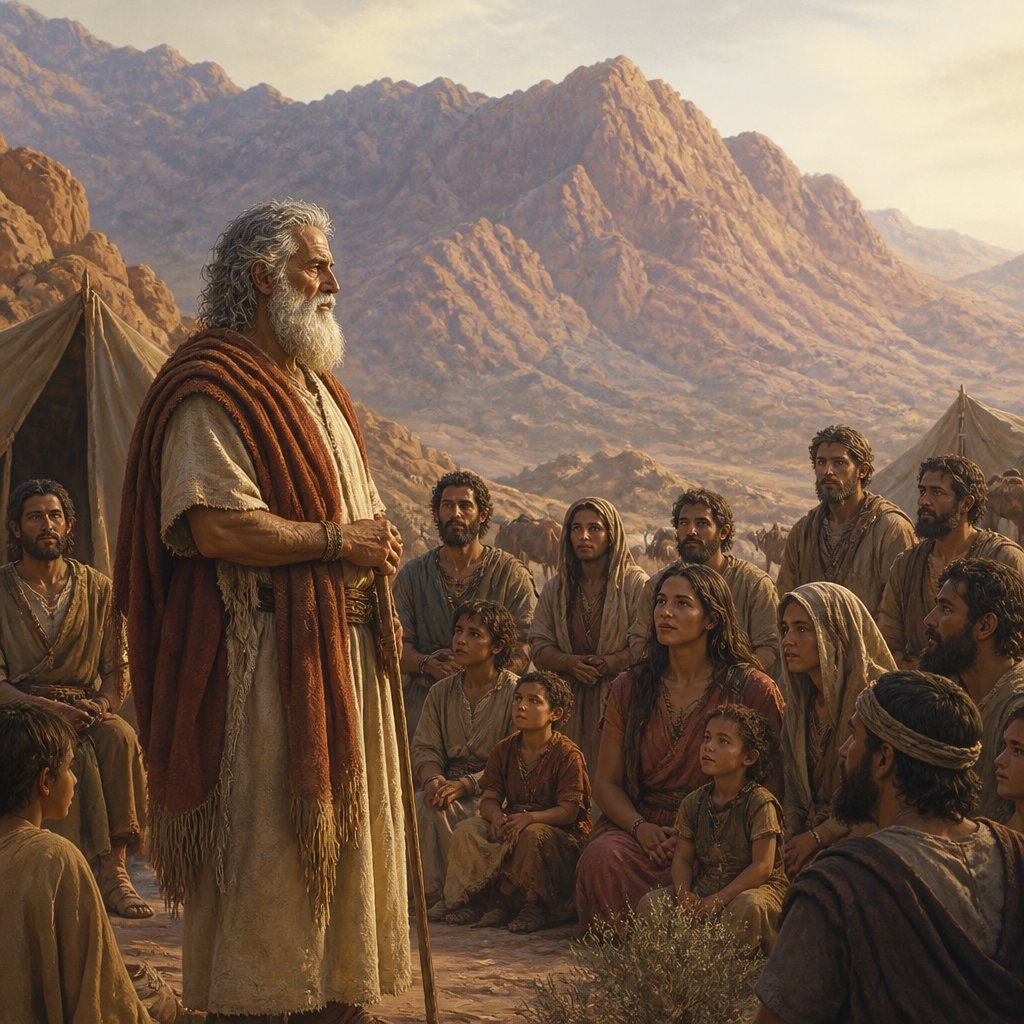
Genesis 36:9 (KJV) reads: "And these are the generations of Esau the father of the Edomites in mount Seir."
This verse is part of the genealogy of Esau, the son of Isaac and the twin brother of Jacob. Esau is also known as Edom, and his descendants became known as the Edomites. This genealogy is important because it shows the fulfillment of God's promise to Abraham, Isaac, and Jacob to make their descendants into a great nation. The inclusion of Esau's genealogy in the Bible is a reminder of God's faithfulness to his promises, even when humanity makes mistakes and takes the wrong path.
The placement of this verse in the larger context of the book of Genesis is significant. The book of Genesis is the first book of the Bible and serves as a foundation for understanding the rest of the biblical narrative. It begins with the creation of the world and the early history of humanity, including the stories of Adam and Eve, Cain and Abel, Noah and the flood, and the tower of Babel. It then focuses on the lives of the patriarchs, particularly Abraham, Isaac, and Jacob, and their descendants. Genesis traces the origins of the Israelite people and their covenant relationship with God.
Esau's genealogy is a reminder of the complex and interconnected nature of human history. It shows how the choices and actions of individuals have far-reaching consequences for future generations. Esau is depicted in the Bible as a man of the outdoors, a hunter and a man of action, in contrast to his brother Jacob, who is described as a quiet and peaceful man who prefers to stay at home. The conflict between Esau and Jacob, and the subsequent blessing of Jacob over Esau by their father Isaac, sets the stage for the ongoing tension and rivalry between their descendants.
The reference to "mount Seir" in Genesis 36:9 is important because it is the land that the Edomites eventually inhabited. This geographical detail contextualizes the genealogy within the specific region where Esau's descendants settled, and it also ties this history to the broader narrative of the Israelites' journey through the wilderness. The Edomites would become significant neighbors and sometimes adversaries of the Israelites, and their history is intertwined with that of the Israelites.
In a broader theological sense, the genealogy of Esau in Genesis 36 demonstrates God's sovereignty and providence over the entire human race. God's plan for humanity is not limited to a single family or nation but extends to all peoples and all parts of the world. The inclusion of Esau's genealogy reminds readers that God's purposes are not limited by human failings or limitations but are ultimately fulfilled in ways that surpass human understanding.
The symbolism of Esau's genealogy can also be seen in the themes of inheritance and blessing. In the ancient world, family lineage and inheritance were of utmost importance, and the passing on of blessings from one generation to the next was a central aspect of family life. The story of Esau and Jacob illustrates the complexities of inheritance and the ways in which God's blessing can transcend human expectations and conventions. Despite Esau's loss of his birthright and blessing to Jacob, his descendants still receive their own portion and blessing, showing that God's grace and provision are not limited by human actions.
In conclusion, Genesis 36:9 is a seemingly simple verse that is rich in historical, geographical, and theological significance. It is a reminder of God's faithfulness to his promises, the interconnected nature of human history, and the broader context of the biblical narrative. It also speaks to the themes of inheritance and blessing, reflecting the complex and often surprising ways in which God's purposes are fulfilled in human history.
Get our apps


Artwork for Genesis 36:9

Genesis 36:9 - "¶ And these are the generations of Esau the father of the Edomites in mount Seir:"
"¶ And these are the generations of Esau the father of the Edomites in mount Seir:" - Genesis 36:9

Genesis 36:36 - "And Hadad died, and Samlah of Masrekah reigned in his stead."

Genesis 24:36

Genesis 19-36

Genesis 36:28 - "The children of Dishan are these; Uz, and Aran."

"And Hadad died, and Samlah of Masrekah reigned in his stead." - Genesis 36:36

Genesis 36:27 - "The children of Ezer are these; Bilhan, and Zaavan, and Akan."

Genesis 36:19 - "These are the sons of Esau, who is Edom, and these are their dukes."

Genesis 36:3 - "And Bashemath Ishmael's daughter, sister of Nebajoth."

Genesis 36:1 - "Now these are the generations of Esau, who is Edom."

Genesis 36:26 - "And these are the children of Dishon; Hemdan, and Eshban, and Ithran, and Cheran."

Genesis 36:42 - "Duke Kenaz, duke Teman, duke Mibzar,"

Mark 9:36-37

Genesis 36:41 - "Duke Aholibamah, duke Elah, duke Pinon,"

Genesis 19:36 - "Thus were both the daughters of Lot with child by their father."

Genesis 36:8 - "Thus dwelt Esau in mount Seir: Esau is Edom."

Genesis 36:25 - "And the children of Anah were these; Dishon, and Aholibamah the daughter of Anah."

Genesis 36:4 - "And Adah bare to Esau Eliphaz; and Bashemath bare Reuel;"

Genesis 36:11 - "And the sons of Eliphaz were Teman, Omar, Zepho, and Gatam, and Kenaz."

Genesis 36:23 - "And the children of Shobal were these; Alvan, and Manahath, and Ebal, Shepho, and Onam."

Genesis 36:34 - "And Jobab died, and Husham of the land of Temani reigned in his stead."

Genesis 36:22 - "And the children of Lotan were Hori and Hemam; and Lotan's sister was Timna."
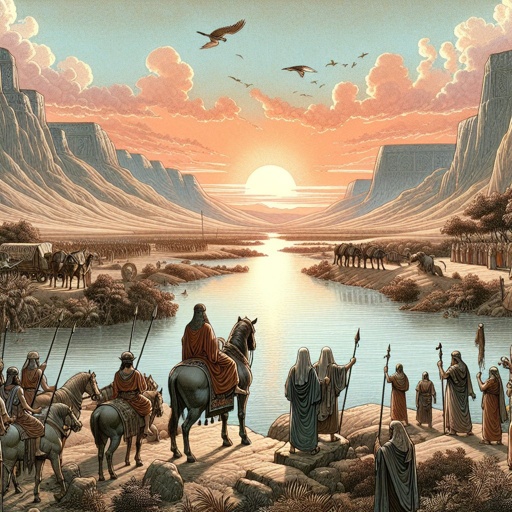
Genesis 36:37 - "And Samlah died, and Saul of Rehoboth by the river reigned in his stead."

2 kings 9:34-36

Genesis 36:33 - "And Bela died, and Jobab the son of Zerah of Bozrah reigned in his stead."

Genesis 36:38 - "And Saul died, and Baal-hanan the son of Achbor reigned in his stead."

Genesis 36:21 - "And Dishon, and Ezer, and Dishan: these are the dukes of the Horites, the children of Seir in the land of Edom."

Genesis 36:32 - "And Bela the son of Beor reigned in Edom: and the name of his city was Dinhabah."

"The children of Dishan are these; Uz, and Aran." - Genesis 36:28