The Garden of Choices: Understanding Free Will and Deception
“And the woman said unto the serpent, We may eat of the fruit of the trees of the garden:” — Genesis 3:2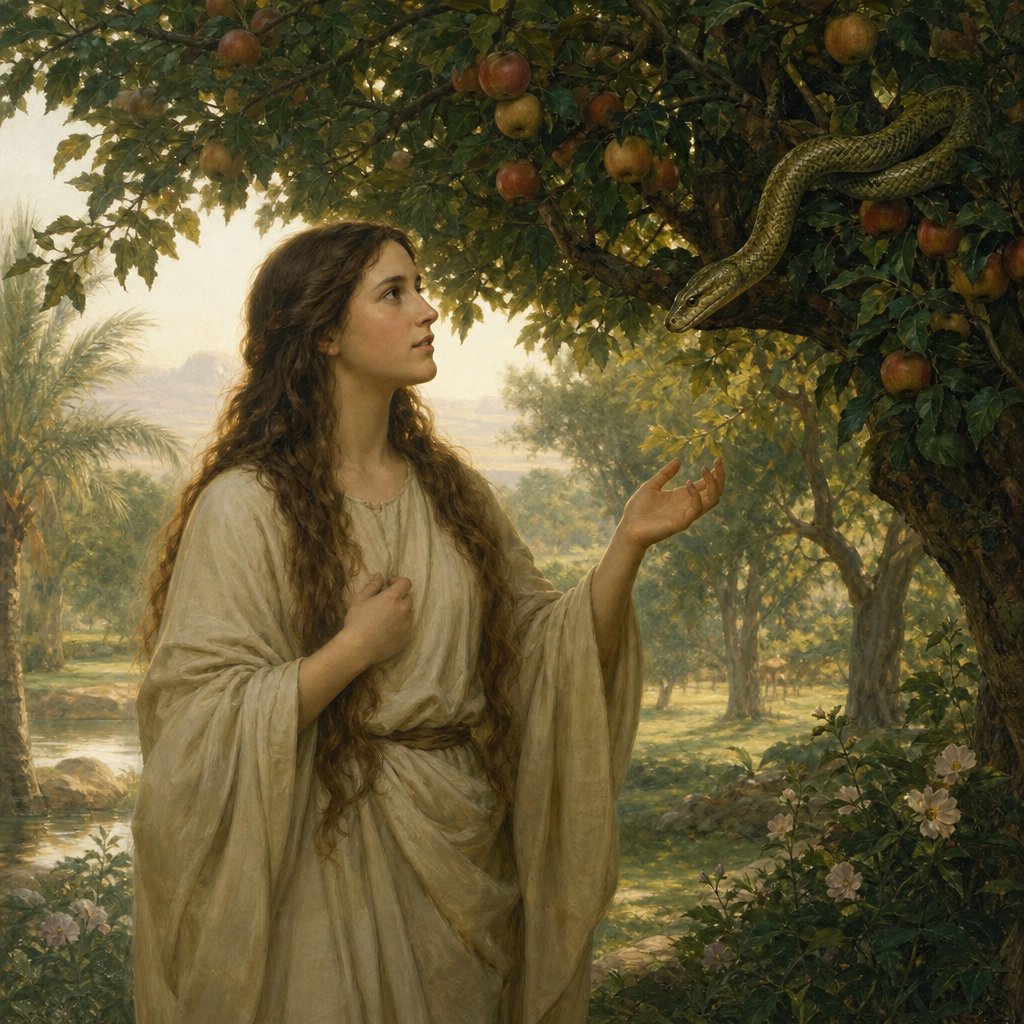
Genesis 3:2 states, "And the woman said unto the serpent, We may eat of the fruit of the trees of the garden:" This verse, situated in the fascinating account of humanity's initial encounter with temptation, opens a window into understanding not just the choices made by Eve, but also the profound implications of free will, deceit, and God's instruction.
As we delve into this scripture, we find Eve in the Garden of Eden, a paradise created by God where everything is abundant and pleasing to the eye. The garden represents not just a physical space but a state of divine provision and freedom. However, within that freedom lies a critical choice - the choice regarding obedience to God's command. In Genesis 2:16-17, God explicitly tells Adam, "Of every tree of the garden thou mayest freely eat: But of the tree of the knowledge of good and evil, thou shalt not eat of it: for in the day that thou eatest thereof thou shalt surely die." Here, we see clearly that God grants Adam and Eve the privilege of choice, emphasizing the importance of obedience.
When the serpent, representing cunning and deceit, challenges Eve, he crafts his temptation incredibly subtly. Eve's statement—"We may eat of the fruit of the trees of the garden"—demonstrates her understanding of God's permission to partake of the bounty of the garden. It is vital to note that she recognizes the gifts of God, the freedom to eat from many trees. Yet, this freedom is juxtaposed sharply with the prohibition that surrounds the tree of knowledge. Herein lies the pivotal point for humanity: the exercise of free will against the backdrop of divine command.
Eve's dialogue with the serpent reveals an important spiritual truth: how easily we can be lured into confusion. The very act of engaging with temptation can create a fissure in our understanding of God's intentions for us. The serpent's insinuation—that God is withholding something valuable—stirs in Eve an internal struggle, leading her to a potential misapprehension of God's word. In her declaration to the serpent, she contextualizes, confesses, and even leaves out God's serious warning about death. This manipulation of truth is crucial—it shows how we can be led astray when we allow our focus to shift from what God has graciously provided to what He has forbidden.
Let's reflect on our own lives. How often do we face moments where temptation whispers promises of gratification that God’s commands seem to withhold? Whether it’s a longing for something that is not within God's plan or the urgency to satisfy our immediate desires, we find ourselves at the crossroads of choice. Eve's experience in the garden calls us to examine how we respond to such moments—is it through prayer, seeking the Holy Spirit's guidance, or engaging in honest conversations with fellow believers?
In our free will lies tremendous potential—both for good and destruction. Just as Eve had the power to make choices, we too are blessed and burdened with responsibility. But remember that God’s commands, which often feel restrictive, are designed for our growth and flourishing, an expression of His love and wisdom. When faced with temptation, we need to go back to the word of God, anchoring ourselves in His steadfast promises.
In conclusion, the account of Eve's encounter with the serpent in the garden of Eden is not merely an ancient story; it is a timeless lesson regarding the nature of temptation, the depth of free will, and the necessity of grounding our choices in the truth of God’s word. May we approach our daily decisions with the understanding that, like Eve, we are faced with choices that can lead us toward abundance or away into despair. Let us seek to know God's heart, stay vigilant against deception, and embrace the freedom He offers us—ultimately choosing paths that reflect His glory.
Get our apps


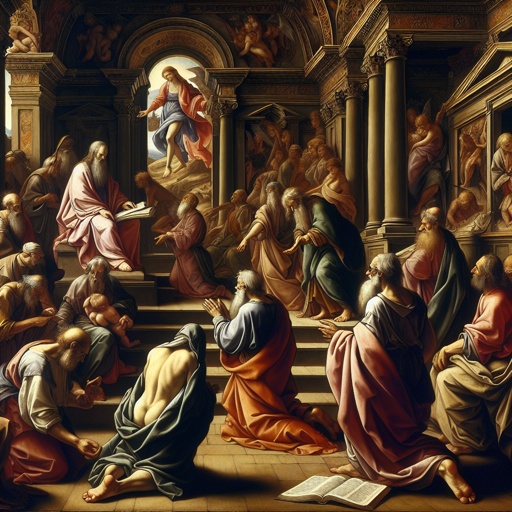
Artwork for Genesis 3:2

Genesis 3:2 - "And the woman said unto the serpent, We may eat of the fruit of the trees of the garden:"
"And the woman said unto the serpent, We may eat of the fruit of the trees of the garden:" - Genesis 3:2
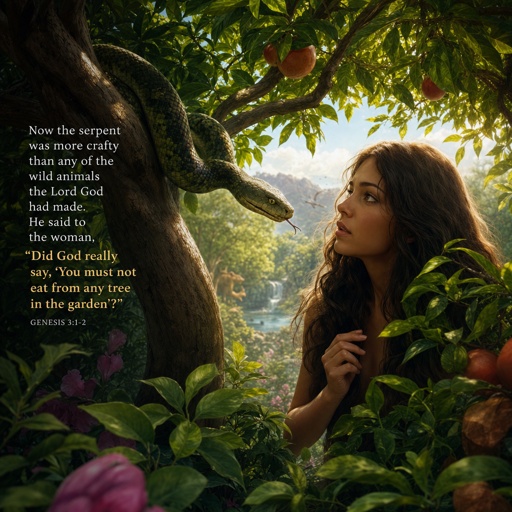
Genesis 3: 1-2

Genesis 1:2 3

Genesis 2:3 - "And God blessed the seventh day, and sanctified it: because that in it he had rested from all his work which God created and made."

Genesis 3

Genesis 3:8

Genesis 3:24
Genesis 19-3

Genesis 18-3

Genesis 3:8
Genesis 20-3

Genesis 3:8

Genesis 16:3

Genesis 21-3

Genesis 3:23

Genesis 24-3

Genesis 3:7

GENESIS 3:7

Genesis 16:3

Genesis 3:7

Genesis 23-3

Genesis 17:3

Genesis 22-3

Genesis 29-3

Genesis 3:7

Genesis 3:16

Genesis 25-3

Genesis 3:8

Genesis 3:15