Preparing for the Famine: Wisdom in Times of Plenty
“And that food shall be for store to the land against the seven years of famine, which shall be in the land of Egypt; that the land perish not through the famine.” — Genesis 41:36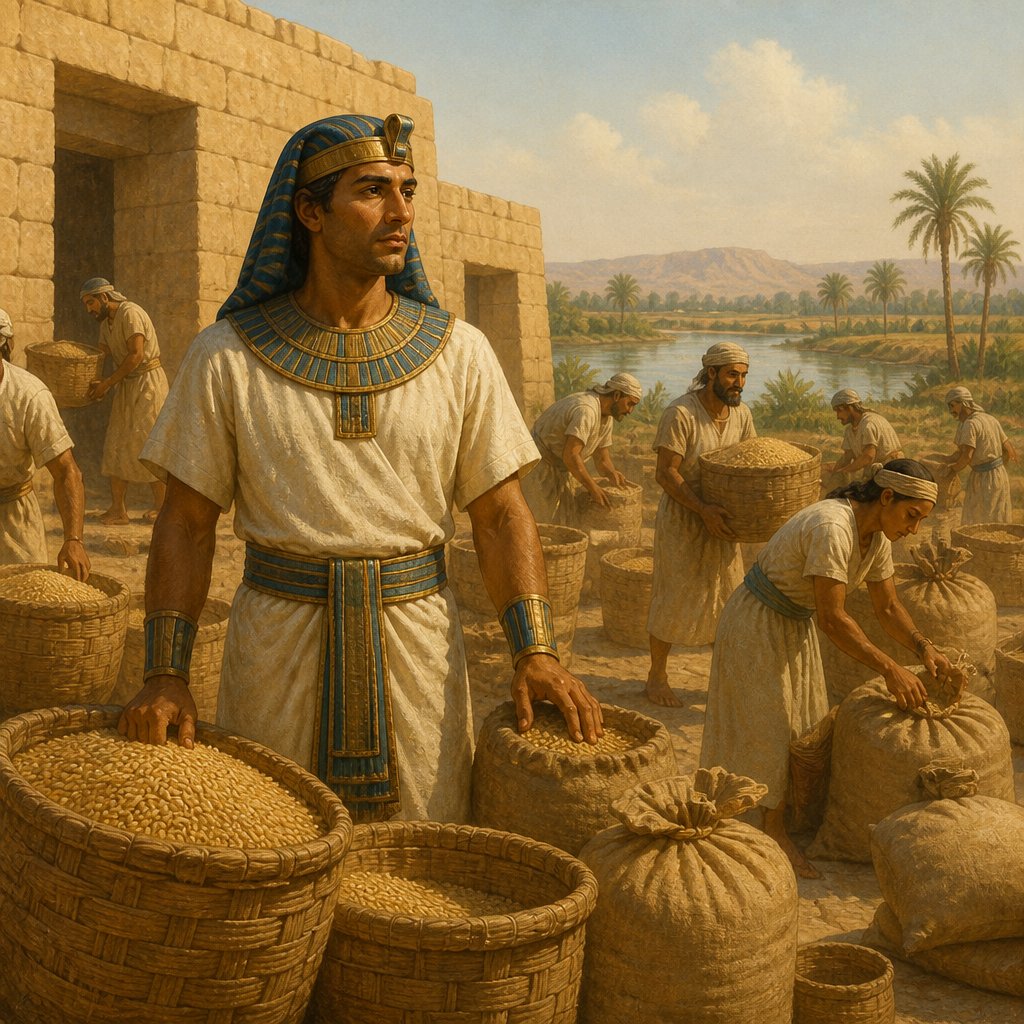
As we delve into the passage of Genesis 41:36, we are confronted with a profound statement that resonates across millennia: "And that food shall be for store to the land against the seven years of famine, which shall be in the land of Egypt; that the land perish not through the famine." This verse highlights the foresight of Joseph, who, through God’s guidance, understood the importance of preparation and prudence in times of abundance.
The backdrop to this verse begins with Joseph’s interpretation of Pharaoh’s dreams, which foretold a period of extraordinary abundance followed by a devastating famine in Egypt. These dreams were not mere visions; they were divine revelations signifying both significant opportunity and looming hardship. Joseph’s response to these revelations offers a blueprint for handling both prosperity and adversity.
As believers, we are called to perceive life’s cycles not just through the lens of our current circumstances but also with a prophetic understanding of the future. Joseph's strategy involved storing surplus grain during the years of plenty to sustain the nation through years of scarcity. This aspect of foresight digs deep into our character as Christians. Are we preparing spiritually, emotionally, and materially for the seasons that may follow our current blessings?
Life is a series of seasons, as eloquently depicted in Ecclesiastes 3, where the writer states that there is a time for everything. In our lives, times of abundance can often give way to unforeseen trials. The wisdom that Joseph displayed encourages us to take proactive measures to ensure that we remain steadfast during lean times.
In our contemporary lives, we may interpret ‘food’ to encapsulate various resources: financial savings, emotional reserves, spiritual grounding, and even relationships. In the spirit of Joseph, we must ask ourselves hard questions: Are we building a foundation of faith that can withstand the storms of life? Are we nurturing our relationships so that they can provide support when needed? Are we managing our resources wisely?
Furthermore, Joseph instructs Pharaoh to appoint officers to oversee the gathering and storage of grain. This notion of leadership and collaboration reminds us that we do not walk this road alone. During our years of plenty, we should be cultivating community—a tribe of individuals who can share in our joys and support us in our trials. The body of Christ thrives when every member operates in harmony, preparing collectively for challenges that lie ahead.
Another important emphasis from this passage is the nature of God's providence. God does not merely inform us of what is to come; He prepares us and equips us for it. Here, we see the sovereignty of God intertwined with human responsibility. In Joseph's initiative to prepare for the famine, we recognize a divine partnership: where God reveals the future, and we, as stewards of that knowledge, take practical steps in response. The reality is that we are each given talents, blessings, and resources—not solely for our consumption but as instruments for the well-being of ourselves and our communities.
As we meditate on Genesis 41:36, let it serve as both a cautionary tale and an encouragement for us in our journey of faith. The abundance we experience today might not always be present. Yet, how we choose to respond to both the plenty and the want shapes not only our lives but also the lives of those who depend on us. Therefore, let us be wise stewards, preparing adequately in good times, so the land—our lives and those of our brethren—perish not through famine.
May God grant us the wisdom to see beyond our immediate circumstances, the courage to prepare for what lies ahead, and a heart that embraces community and collaboration as we navigate the highs and lows of life.
Get our apps


Artwork for Genesis 41:36

Genesis 41:36 - "And that food shall be for store to the land against the seven years of famine, which shall be in the land of Egypt; that the land perish not through the famine."
"And that food shall be for store to the land against the seven years of famine, which shall be in the land of Egypt; that the land perish not through the famine." - Genesis 41:36

Genesis 36:41 - "Duke Aholibamah, duke Elah, duke Pinon,"
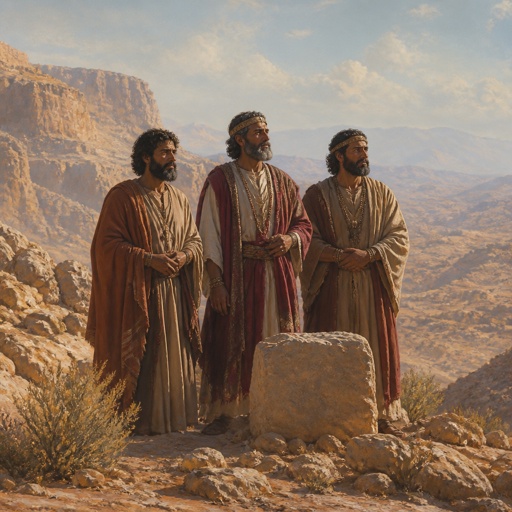
"Duke Aholibamah, duke Elah, duke Pinon," - Genesis 36:41

Genesis 41:41 and make pharaoh black

Genesis 24-41

Genesis 41:41-42 focus on signet ring

Genesis 36:36 - "And Hadad died, and Samlah of Masrekah reigned in his stead."

Genesis 41:41 - "And Pharaoh said unto Joseph, See, I have set thee over all the land of Egypt."

Genesis 24:36

Genesis 19-36

Genesis 41:47 - "And in the seven plenteous years the earth brought forth by handfuls."

Genesis 36:28 - "The children of Dishan are these; Uz, and Aran."

"And Hadad died, and Samlah of Masrekah reigned in his stead." - Genesis 36:36

Genesis 36:27 - "The children of Ezer are these; Bilhan, and Zaavan, and Akan."

Genesis 36:3 - "And Bashemath Ishmael's daughter, sister of Nebajoth."

Genesis 36:19 - "These are the sons of Esau, who is Edom, and these are their dukes."

Genesis 36:1 - "Now these are the generations of Esau, who is Edom."

Genesis 41:53 - "¶ And the seven years of plenteousness, that was in the land of Egypt, were ended."

Genesis 36:26 - "And these are the children of Dishon; Hemdan, and Eshban, and Ithran, and Cheran."

Genesis 36:42 - "Duke Kenaz, duke Teman, duke Mibzar,"

Genesis 36:9 - "¶ And these are the generations of Esau the father of the Edomites in mount Seir:"

Genesis 41:37 - "¶ And the thing was good in the eyes of Pharaoh, and in the eyes of all his servants."

Genesis 41:31 - "And the plenty shall not be known in the land by reason of that famine following; for it shall be very grievous."

Genesis 41:29 - "Behold, there come seven years of great plenty throughout all the land of Egypt:"

Genesis 36:8 - "Thus dwelt Esau in mount Seir: Esau is Edom."

Genesis 19:36 - "Thus were both the daughters of Lot with child by their father."

Genesis 36:25 - "And the children of Anah were these; Dishon, and Aholibamah the daughter of Anah."

Genesis 36:4 - "And Adah bare to Esau Eliphaz; and Bashemath bare Reuel;"

Genesis 41:6 - "And, behold, seven thin ears and blasted with the east wind sprung up after them."