Understanding Our Battles: The Weight of Divine Commission
“And am I now come up without the LORD against this land to destroy it? the LORD said unto me, Go up against this land, and destroy it.” — Isaiah 36:10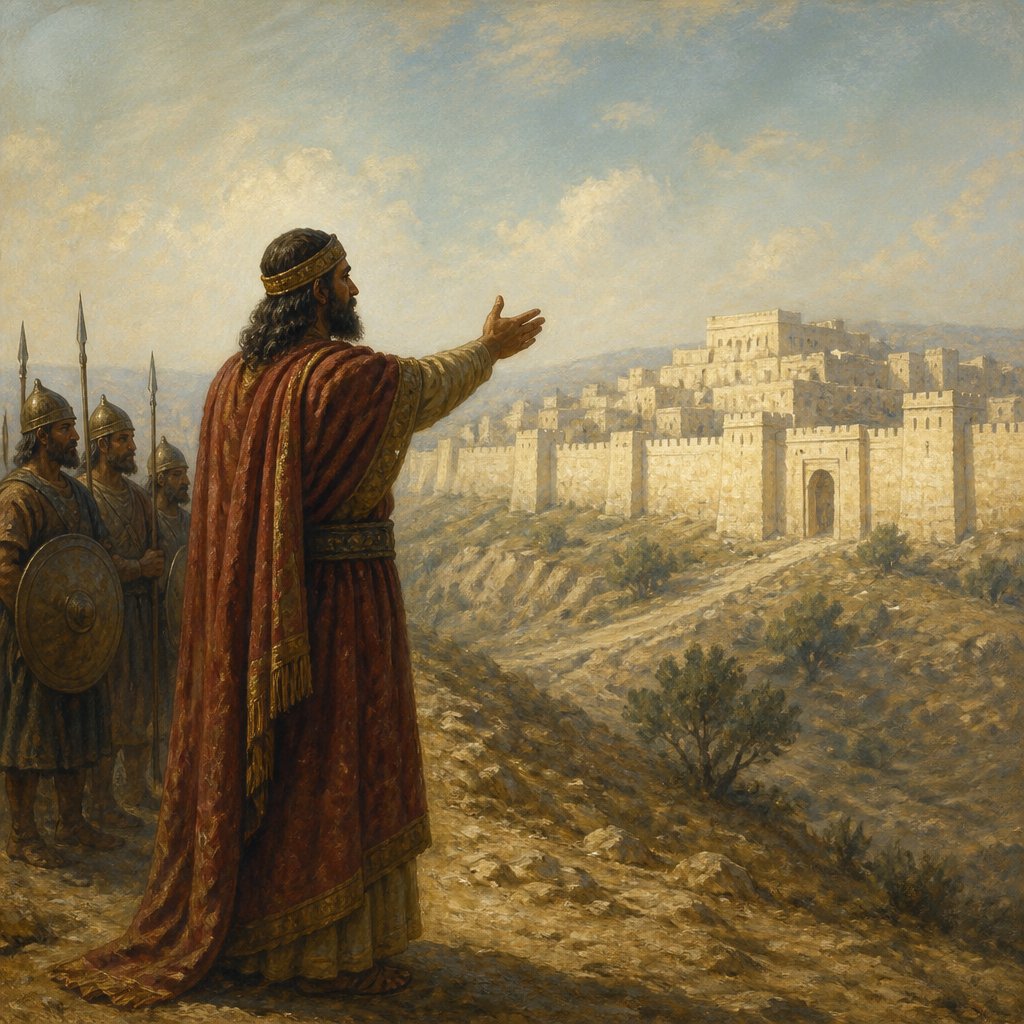
In the grand narrative of the Bible, the exchange captured in Isaiah 36:10 provides profound insight into the complexities of spiritual warfare and divine purpose. The verse states, "And am I now come up without the LORD against this land to destroy it? the LORD said unto me, Go up against this land, and destroy it." Here, Rabshakeh, the Assyrian envoy, challenges the people of Jerusalem, suggesting that their hope in God is unfounded.
To truly appreciate the weight of this verse, we must understand the context—a turbulent time in Israel's history marked by conflict, fear, and the perception of imminent destruction. Rabshakeh is not merely speaking as a conqueror but as an agent who believes he acts under divine authority. In his rhetoric, he raises a critical question: Am I here against the land without the endorsement of the LORD? This inquiry underscores an essential aspect of spiritual battles: the recognition of divine involvement.
God's sovereignty is a recurring theme throughout scripture. In moments of despair, it is vital to recognize that God is not absent; instead, He is actively guiding and shaping circumstances—even in situations where it appears that evil is prevailing. Rabshakeh’s claim that the LORD sent him to destroy the land was, of course, a distortion of truth, revealing how easily people can misinterpret or misuse God’s directives.
How often do we find ourselves in tensions where the path ahead appears unclear, and we hear voices (internal or external) that question our faith? Like the citizens of Jerusalem, we may feel besieged by doubts or fears, leading us to grapple with our understanding of God’s promise and plan. In those moments, it is essential to return to God’s Word–to seek clarity and reaffirm what He has said.
Further reflecting on the phrase, "the LORD said unto me, Go up against this land, and destroy it," we realize that God does issue calls to action, even when the mission seems daunting or destructive. However, how do we discern the genuine voice of God amidst the clamor? It necessitates a deep relationship with Him—grounded in prayer, study of His Word, and seeking counsel from wise, faith-filled individuals.
The prophetic warnings and calls to repentance throughout scripture remind us that God's desires for His people are always aligned with His greater purpose. In times of difficulty, like those faced by the people of Judah, we can choose to lean into prayer and trust. Instead of accepting narratives that might seek to distract or disillusion us, we must remember the faithfulness of God shown throughout history.
As we meditate on this verse, let us ask ourselves: Are we allowing fear and uncertainty to define our actions, or are we trusting in God’s promises amidst the turmoil? God doesn't promise us an absence of conflict, but He does promise the strength to navigate through it. Just as He was present in the midst of Rabshakeh’s threats, He is present with us today.
Moreover, in facing our own struggles, we might also encounter moments where we are called to confront falsehoods or societal norms that run contrary to God’s heart. And as we do so, we must speak with clarity and conviction—but always rooted in love and faith, like the prophet Isaiah and the king Hezekiah, who sought the Lord in their time of need.
Let us embrace God’s purpose, confident that our battles serve to refine our faith and bring glory to Him. If we are to destroy anything, let it be the doubts that require us to be the true agents of His love and hope in this world—emboldened by His grace and guided by His Spirit.
Get our apps


Artwork for Isaiah 36:10

Isaiah 36:10 - "And am I now come up without the LORD against this land to destroy it? the LORD said unto me, Go up against this land, and destroy it."
"And am I now come up without the LORD against this land to destroy it? the LORD said unto me, Go up against this land, and destroy it." - Isaiah 36:10

Ezra 10:36 - "Vaniah, Meremoth, Eliashib,"

Isaiah 36:21 - "But they held their peace, and answered him not a word: for the king's commandment was, saying, Answer him not."

Matthew 10:36 - "And a man's foes shall be they of his own household."

Isaiah 36:14 - "Thus saith the king, Let not Hezekiah deceive you: for he shall not be able to deliver you."

Isaiah 36:19 - "Where are the gods of Hamath and Arphad? where are the gods of Sepharvaim? and have they delivered Samaria out of my hand?"

"Vaniah, Meremoth, Eliashib," - Ezra 10:36

Numbers 36:10 - "Even as the LORD commanded Moses, so did the daughters of Zelophehad:"

Job 36:10 - "He openeth also their ear to discipline, and commandeth that they return from iniquity."

Isaiah 36:13 - "Then Rabshakeh stood, and cried with a loud voice in the Jews' language, and said, Hear ye the words of the great king, the king of Assyria."

2 Kings 10:36 - "And the time that Jehu reigned over Israel in Samaria was twenty and eight years."

Isaiah 36:3 - "Then came forth unto him Eliakim, Hilkiah's son, which was over the house, and Shebna the scribe, and Joah, Asaph's son, the recorder."

Numbers 10:36 - "And when it rested, he said, Return, O LORD, unto the many thousands of Israel."

Mark 10:36 - "And he said unto them, What would ye that I should do for you?"

isaiah 41:10

isaiah 41:10

isaiah 41:10

isaiah 41:10

isaiah 41:10

isaiah 41:10

isaiah 41:10

isaiah 41:10

isaiah 41:10

isaiah 41:10

isaiah 41:10

isaiah 41:10

Luke 10:36 - "Which now of these three, thinkest thou, was neighbour unto him that fell among the thieves?"

isaiah 41:10

isaiah 41:10