What does Isaiah 36:10 mean?
“And am I now come up without the LORD against this land to destroy it? the LORD said unto me, Go up against this land, and destroy it.” — Isaiah 36:10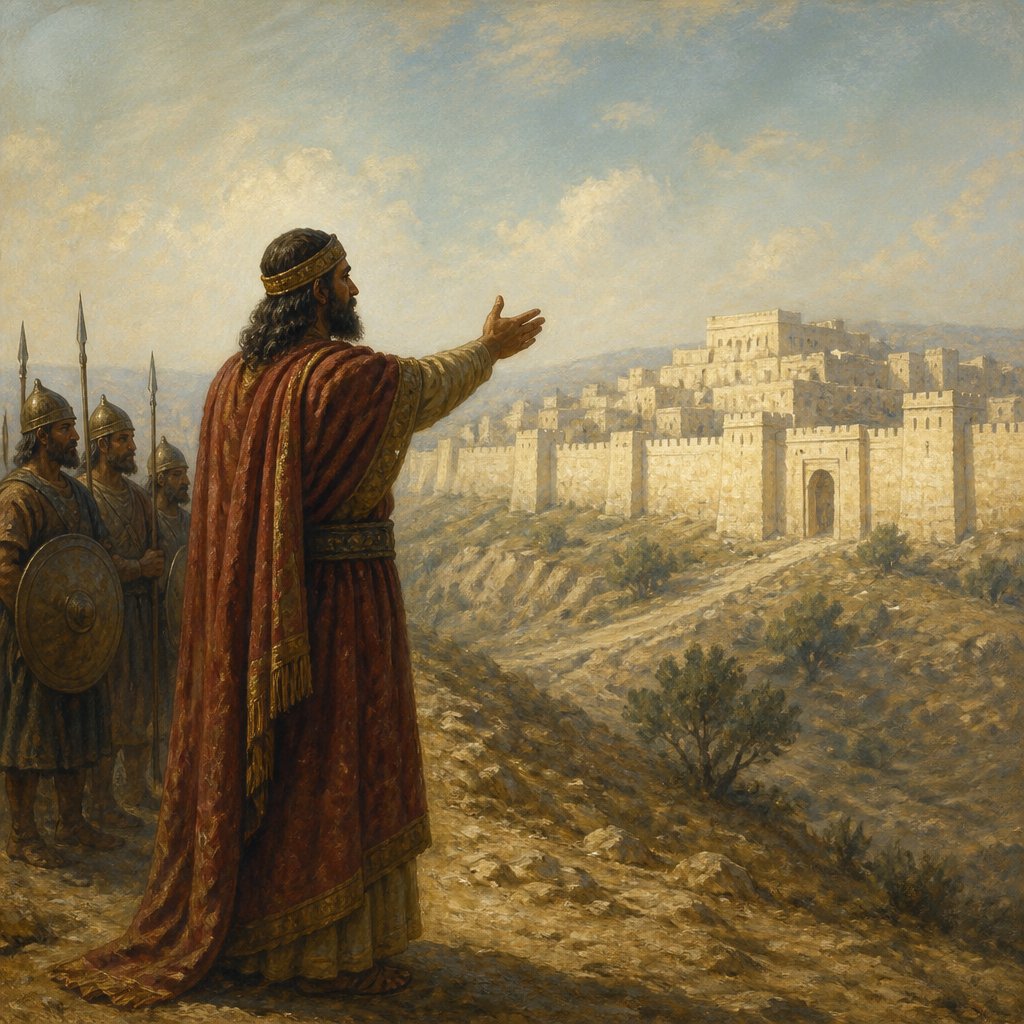
Isaiah 36:10 in the King James Version of the Bible reads, "And am I now come up without the LORD against this land to destroy it? The LORD said unto me, Go up against this land, and destroy it."
This verse comes from a larger passage in the book of Isaiah, which is a collection of prophetic messages from the prophet Isaiah to the people of Judah. In this particular passage, the Assyrian king, Sennacherib, has sent his officials to Jerusalem to deliver a message to King Hezekiah. The message is a form of psychological warfare, aimed at intimidating the people of Judah and undermining their faith in God.
The verse is a reflection of the arrogance and pride of the Assyrian king, who is claiming that he has the authority and blessing of the Lord to destroy the land of Judah. This is a direct challenge to the faith of the people of Judah and a mockery of their belief in God's protection and sovereignty.
The context of this verse is important for understanding its meaning and significance. The Assyrian empire was a formidable military force, and its invasion of Judah posed a serious threat to the stability and security of the kingdom. The Assyrians were known for their brutality and ruthlessness, and their conquests often involved the destruction of cities and the deportation of entire populations.
In this context, the verse can be seen as a test of faith for the people of Judah. It is a reminder that even in the face of overwhelming odds and seemingly insurmountable challenges, they must remain steadfast in their trust in God. It is also a rebuke of the arrogance and hubris of the Assyrian king, who mistakenly believes that his power and military might are superior to the will of the Lord.
The themes of faith, trust, and divine protection are central to the message of this verse. It serves as a reminder that God is ultimately in control, and that no human force or authority can stand against His will. It also underscores the importance of remaining faithful and obedient to God, even in the midst of adversity and danger.
The verse also carries a strong message of warning and judgment. The Assyrians' boastful claims and threats against Judah are ultimately empty, as they will soon face divine retribution for their pride and arrogance. This is a common theme throughout the book of Isaiah, which frequently warns of the consequences of disobedience and rebellion against God.
Symbolically, the verse can be seen as a representation of the larger struggle between good and evil, faith and doubt, and the sovereignty of God versus the pride of humanity. It serves as a powerful reminder of the ultimate victory of God over His enemies and the futility of human efforts to defy His will.
In conclusion, Isaiah 36:10 is a powerful and provocative verse that carries a message of faith, warning, and divine judgment. Its context within the larger narrative of the book of Isaiah provides important insights into its meaning and significance, and its themes of faith, trust, and divine protection continue to resonate with believers today.
Get our apps


Artwork for Isaiah 36:10

Isaiah 36:10 - "And am I now come up without the LORD against this land to destroy it? the LORD said unto me, Go up against this land, and destroy it."
"And am I now come up without the LORD against this land to destroy it? the LORD said unto me, Go up against this land, and destroy it." - Isaiah 36:10

Ezra 10:36 - "Vaniah, Meremoth, Eliashib,"

Isaiah 36:21 - "But they held their peace, and answered him not a word: for the king's commandment was, saying, Answer him not."

Matthew 10:36 - "And a man's foes shall be they of his own household."

Isaiah 36:14 - "Thus saith the king, Let not Hezekiah deceive you: for he shall not be able to deliver you."

Isaiah 36:19 - "Where are the gods of Hamath and Arphad? where are the gods of Sepharvaim? and have they delivered Samaria out of my hand?"

"Vaniah, Meremoth, Eliashib," - Ezra 10:36

Numbers 36:10 - "Even as the LORD commanded Moses, so did the daughters of Zelophehad:"

Job 36:10 - "He openeth also their ear to discipline, and commandeth that they return from iniquity."

Isaiah 36:13 - "Then Rabshakeh stood, and cried with a loud voice in the Jews' language, and said, Hear ye the words of the great king, the king of Assyria."

2 Kings 10:36 - "And the time that Jehu reigned over Israel in Samaria was twenty and eight years."

Isaiah 36:3 - "Then came forth unto him Eliakim, Hilkiah's son, which was over the house, and Shebna the scribe, and Joah, Asaph's son, the recorder."

Numbers 10:36 - "And when it rested, he said, Return, O LORD, unto the many thousands of Israel."

Mark 10:36 - "And he said unto them, What would ye that I should do for you?"

isaiah 41:10

isaiah 41:10

isaiah 41:10

isaiah 41:10

isaiah 41:10

isaiah 41:10

isaiah 41:10

isaiah 41:10

isaiah 41:10

isaiah 41:10

isaiah 41:10

isaiah 41:10

Luke 10:36 - "Which now of these three, thinkest thou, was neighbour unto him that fell among the thieves?"

isaiah 41:10

isaiah 41:10