Cultivating Our Hearts: The Parable of the Vineyard
“And he fenced it, and gathered out the stones thereof, and planted it with the choicest vine, and built a tower in the midst of it, and also made a winepress therein: and he looked that it should bring forth grapes, and it brought forth wild grapes.” — Isaiah 5:2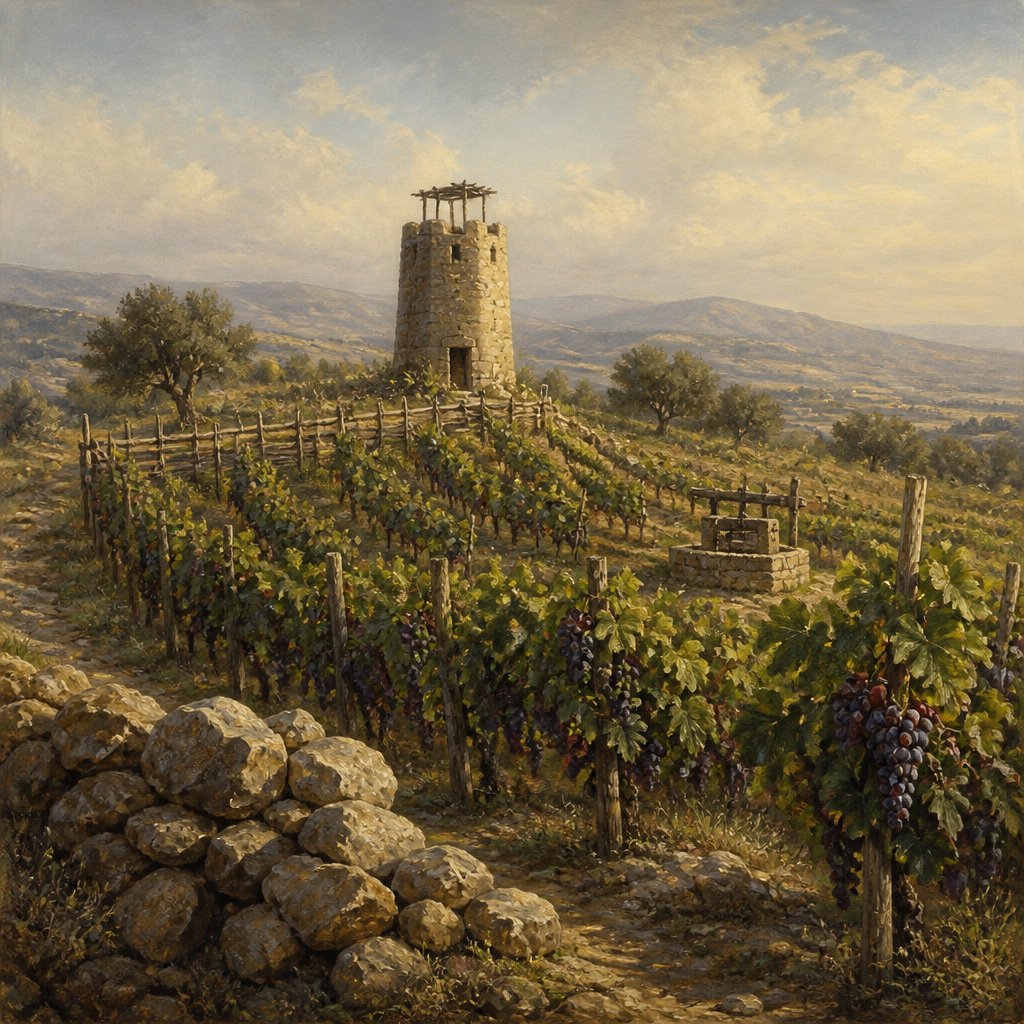
In Isaiah 5:2, we are confronted with a vivid and poignant image: "And he fenced it, and gathered out the stones thereof, and planted it with the choicest vine, and built a tower in the midst of it, and also made a winepress therein: and he looked that it should bring forth grapes, and it brought forth wild grapes." This verse encapsulates the story of God’s dedicated efforts toward cultivating a vineyard, which serves as a metaphor for His relationship with His people.
The passage begins with a series of deliberate actions—fencing, gathering stones, and planting. Each of these steps carries profound meaning. God, the ultimate gardener, meticulously prepares the ground for growth. The fence symbolizes His protection, the gathering of stones represents the removal of obstacles, and the choice of the vine points to the care and intentionality with which God selects what will flourish in our lives.
Let us pause and examine the metaphorical vineyard of our hearts. Just like the vineyard in Isaiah, God desires to cultivate beauty and fruitfulness within us. What stones do we need to remove from our hearts? Are there past traumas, resentments, or fears that stifle our growth? The process of gathering stones can be painful, demanding honest introspection and a willingness to let go of what doesn’t serve us. God wants us to experience freedom from these burdens so that His love can take root and flourish.
Moreover, as He plants choicest vines, we are reminded that God has placed within us the potential for greatness and goodness. In 2 Peter 1:3, it is written, "According as his divine power hath given unto us all things that pertain unto life and godliness." We are not left to our own devices; rather, God provides the necessary resources for us to grow spiritually. We must choose to embrace our identity in Christ, understanding that we are intended to bear fruit that reflects His character—love, joy, peace, patience, kindness, goodness, faithfulness, gentleness, and self-control.
In building a tower and a winepress, we see that God’s intentions are not only for personal growth but for community impact. The tower symbolizes strength and refuge, while the winepress signifies the joy and celebration that results from the harvest. God’s design is always communal; as He nurtures us, we are meant to pour into the lives of others. Our spiritual gifts and the fruits of our labors become offerings to bless our families, friends, and communities.
However, the juxtaposition of the expectation of grapes with the reality of wild grapes poses a sobering question: What kind of fruit are we bearing? The wild grapes are a stark contrast to the sumptuous harvest that God desired. They represent unfulfilled potential and disappointment, evoking a sense of regret and lost opportunities. As we reflect on our own hearts, we must ask ourselves—are we producing the fruits of righteousness, or are we yielding wild, untamed reactions to life’s circumstances? When faced with the trials of life, do we reflect Christ’s love and grace, or do we react with bitterness and anger?
Ultimately, the gardener’s disappointment signals an invitation to self-examination. God longs for us to be honest about where we are and where we desire to be. He does not condemn us for failing to meet the expectations but rather invites us back to Him, the Master Gardener, who can prune us, refine our spirits, and redirect our paths. John 15:1-2 reminds us, "I am the true vine, and my Father is the husbandman. Every branch in me that beareth not fruit he taketh away: and every branch that beareth fruit, he purgeth it, that it may bring forth more fruit."
As we meditate on Isaiah 5:2 throughout the day, let us seek our gardener with open hearts, allowing Him to tend to our lives. May we surrender the wild grapes and trust the process He has orchestrated for our growth. God desires to do a new work in us; let us be pliable vessels, ready to bear the fruits of His love.
Get our apps


Artwork for Isaiah 5:2
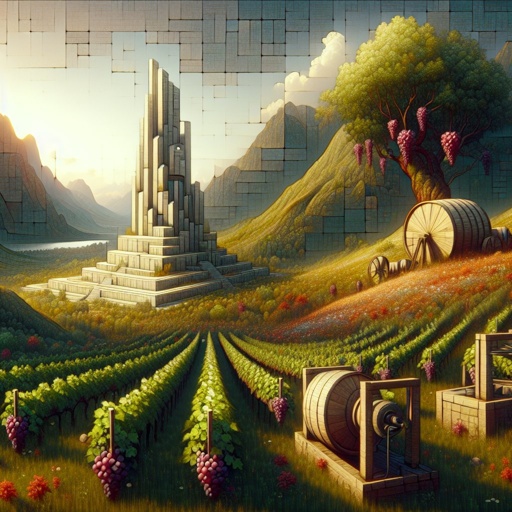
Isaiah 5:2 - "And he fenced it, and gathered out the stones thereof, and planted it with the choicest vine, and built a tower in the midst of it, and also made a winepress therein: and he looked that it should bring forth grapes, and it brought forth wild grapes."
"And he fenced it, and gathered out the stones thereof, and planted it with the choicest vine, and built a tower in the midst of it, and also made a winepress therein: and he looked that it should bring forth grapes, and it brought forth wild grapes." - Isaiah 5:2

2 Kings 19:5 - "So the servants of king Hezekiah came to Isaiah."

Isaiah 2:5 - "O house of Jacob, come ye, and let us walk in the light of the LORD."

"So the servants of king Hezekiah came to Isaiah." - 2 Kings 19:5

Isaiah 37:5 - "So the servants of king Hezekiah came to Isaiah."

Isaiah 39:5 - "Then said Isaiah to Hezekiah, Hear the word of the LORD of hosts:"

Isaiah 5:21

Isaiah 53:5

Isaiah 5:21

Isaiah 6:1-5

Isaiah 6:1-5

Isaiah 6:1-5

Isaiah 6:1-5
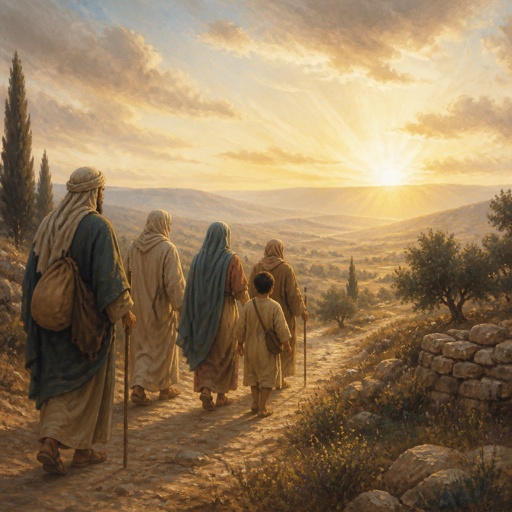
"O house of Jacob, come ye, and let us walk in the light of the LORD." - Isaiah 2:5

Isaiah 48:5

isaiah 5:14

Isaiah 48:5

Isaiah 48:5

Isaiah 6:5

Isaiah 6:5

Isaiah 48:5

Isaiah 45:5-6

"So the servants of king Hezekiah came to Isaiah." - Isaiah 37:5

Isaiah 45:5-6

Isaiah 56:3-5

"Then said Isaiah to Hezekiah, Hear the word of the LORD of hosts:" - Isaiah 39:5

Isaiah 20:5 - "And they shall be afraid and ashamed of Ethiopia their expectation, and of Egypt their glory."

Isaiah 8:5 - "¶ The LORD spake also unto me again, saying,"

Isaiah 14:5 - "The LORD hath broken the staff of the wicked, and the sceptre of the rulers."