What does Isaiah 5:2 mean?
“And he fenced it, and gathered out the stones thereof, and planted it with the choicest vine, and built a tower in the midst of it, and also made a winepress therein: and he looked that it should bring forth grapes, and it brought forth wild grapes.” — Isaiah 5:2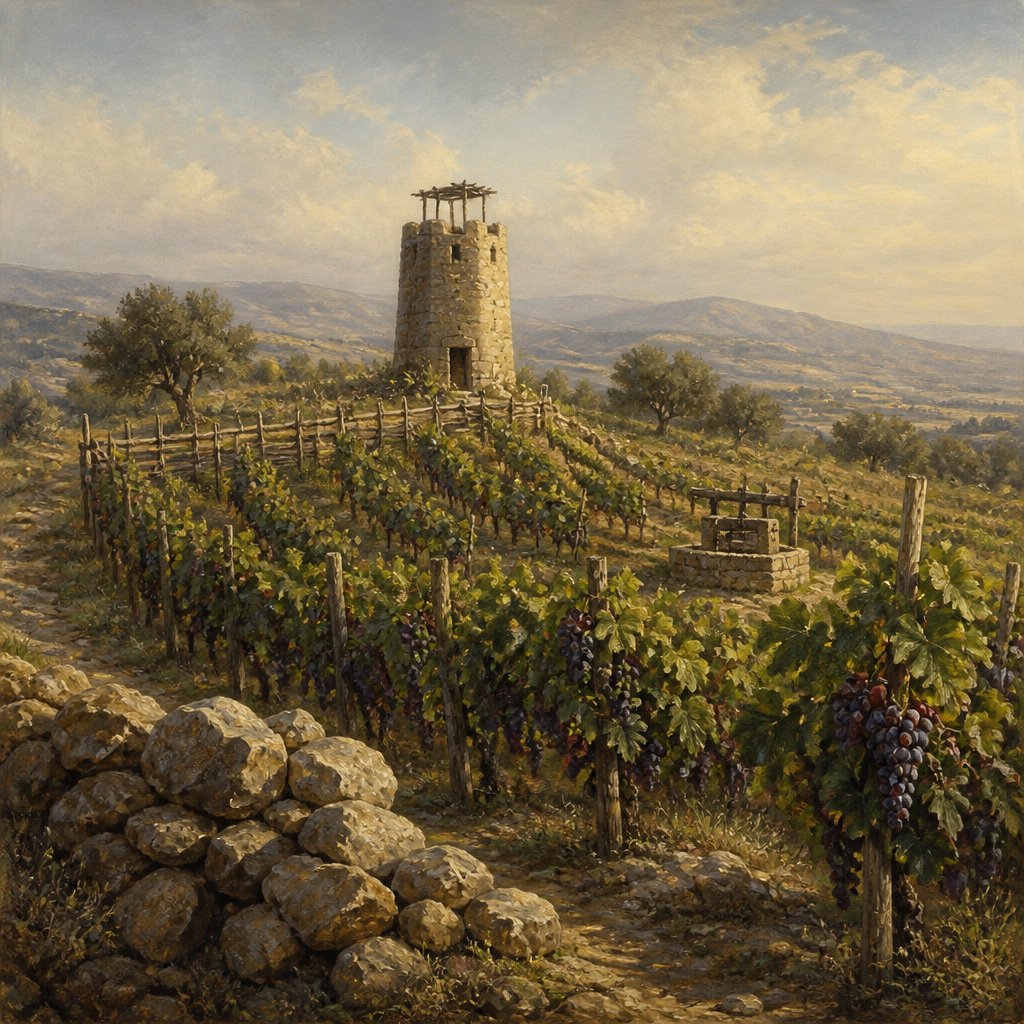
Isaiah 5:2 in the King James Version of the Bible reads: "And he fenced it, and gathered out the stones thereof, and planted it with the choicest vine, and built a tower in the midst of it, and also made a winepress therein: and he looked that it should bring forth grapes, and it brought forth wild grapes."
This verse comes from the book of Isaiah, which is a collection of prophecies attributed to the prophet Isaiah who lived in the 8th century BCE. The book of Isaiah is traditionally divided into three parts: First Isaiah (chapters 1-39), Deutero-Isaiah (chapters 40-55), and Trito-Isaiah (chapters 56-66). Chapter 5 falls within the first part, and in it, Isaiah delivers a series of messages of judgment against Israel for their unrepentant sinfulness.
In Isaiah 5:2, the prophet uses the metaphor of a vineyard to convey a powerful message about God's relationship with his people. The "he" in this verse refers to God, who is depicted as a vineyard owner who carefully tends to his vineyard, expecting it to produce good fruit. The image of the vineyard was a common and powerful symbol in ancient Israel, as it brought to mind the tender care the vineyard owner lavished on his vineyard and the expectation of good fruit in return.
The image of a fenced vineyard speaks to the protection and care that God provides for his people. The gathering out of stones represents the removal of any obstacles or impurities that could hinder the growth of the vine. The planting of the choicest vine signifies the deliberate selection of the best vine for planting, indicating the high expectations God has for his people. The building of a tower in the midst of the vineyard symbolizes God's watchful eye and protection, while the making of a winepress signifies the preparation for the harvest and the expectation of an abundant yield.
However, despite all of the care and attention lavished on the vineyard, it brings forth wild grapes instead of the anticipated good fruit. This unexpected and disappointing outcome serves as a powerful metaphor for the unfaithfulness and disobedience of Israel. Despite all the blessings and favor God bestowed upon them, they failed to produce the righteous fruit of obedience and faithfulness. The wild grapes are symbolic of their rebellion and sinfulness, indicating that they have not lived up to God's expectations.
This verse serves as a warning and a call to repentance for Israel. It highlights the deep disappointment and sorrow that God feels when his people fail to live in accordance with his will. It also conveys the consequences of disobedience and the impending judgment that will befall Israel if they fail to turn from their wicked ways. The imagery of the vineyard underscores the intimate relationship between God and his people, and the deep pain and frustration that arise when that relationship is betrayed.
Moreover, the verse can be seen as a reflection of the broader themes of justice, judgment, and restoration that run throughout the book of Isaiah. It underscores the righteous judgment of God and his expectation of faithfulness from his people. It also points to the eventual restoration and redemption that will come when Israel repents and returns to God.
In conclusion, Isaiah 5:2 is a powerful and evocative verse that uses the metaphor of a vineyard to convey a profound message about God's relationship with his people. It serves as a warning and a call to repentance, highlighting the deep disappointment and sorrow that arise when God's people fail to live in accordance with his will. The verse also reflects the broader themes of justice, judgment, and restoration that permeate the book of Isaiah. It reminds us of the high expectations God has for his people and the need for faithful obedience in order to produce the righteous fruit that he desires.
Get our apps


Artwork for Isaiah 5:2
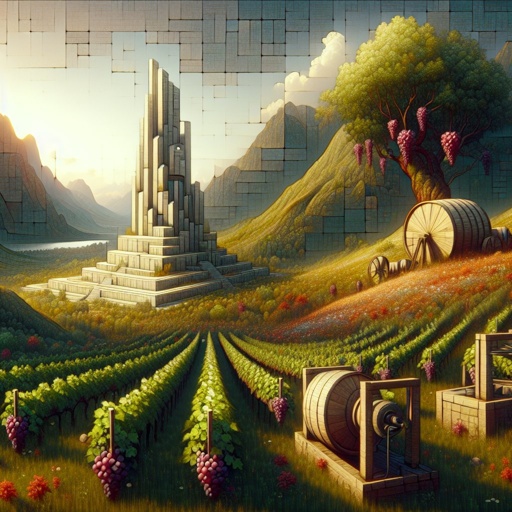
Isaiah 5:2 - "And he fenced it, and gathered out the stones thereof, and planted it with the choicest vine, and built a tower in the midst of it, and also made a winepress therein: and he looked that it should bring forth grapes, and it brought forth wild grapes."
"And he fenced it, and gathered out the stones thereof, and planted it with the choicest vine, and built a tower in the midst of it, and also made a winepress therein: and he looked that it should bring forth grapes, and it brought forth wild grapes." - Isaiah 5:2

2 Kings 19:5 - "So the servants of king Hezekiah came to Isaiah."

Isaiah 2:5 - "O house of Jacob, come ye, and let us walk in the light of the LORD."

"So the servants of king Hezekiah came to Isaiah." - 2 Kings 19:5

Isaiah 37:5 - "So the servants of king Hezekiah came to Isaiah."

Isaiah 39:5 - "Then said Isaiah to Hezekiah, Hear the word of the LORD of hosts:"

Isaiah 5:21

Isaiah 53:5

Isaiah 5:21

Isaiah 6:1-5

Isaiah 6:1-5

Isaiah 6:1-5

Isaiah 6:1-5
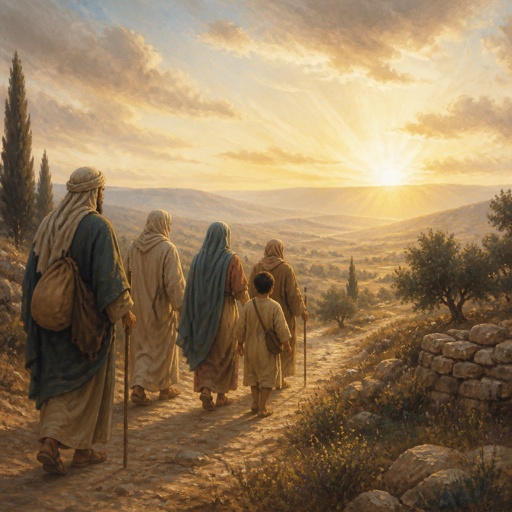
"O house of Jacob, come ye, and let us walk in the light of the LORD." - Isaiah 2:5

Isaiah 48:5

isaiah 5:14

Isaiah 48:5

Isaiah 48:5

Isaiah 6:5

Isaiah 6:5

Isaiah 48:5

Isaiah 45:5-6

"So the servants of king Hezekiah came to Isaiah." - Isaiah 37:5

Isaiah 45:5-6

Isaiah 56:3-5

"Then said Isaiah to Hezekiah, Hear the word of the LORD of hosts:" - Isaiah 39:5

Isaiah 20:5 - "And they shall be afraid and ashamed of Ethiopia their expectation, and of Egypt their glory."

Isaiah 8:5 - "¶ The LORD spake also unto me again, saying,"

Isaiah 14:5 - "The LORD hath broken the staff of the wicked, and the sceptre of the rulers."