Wearying the Lord: The Weight of Our Choices
“And he said, Hear ye now, O house of David; Is it a small thing for you to weary men, but will ye weary my God also?” — Isaiah 7:13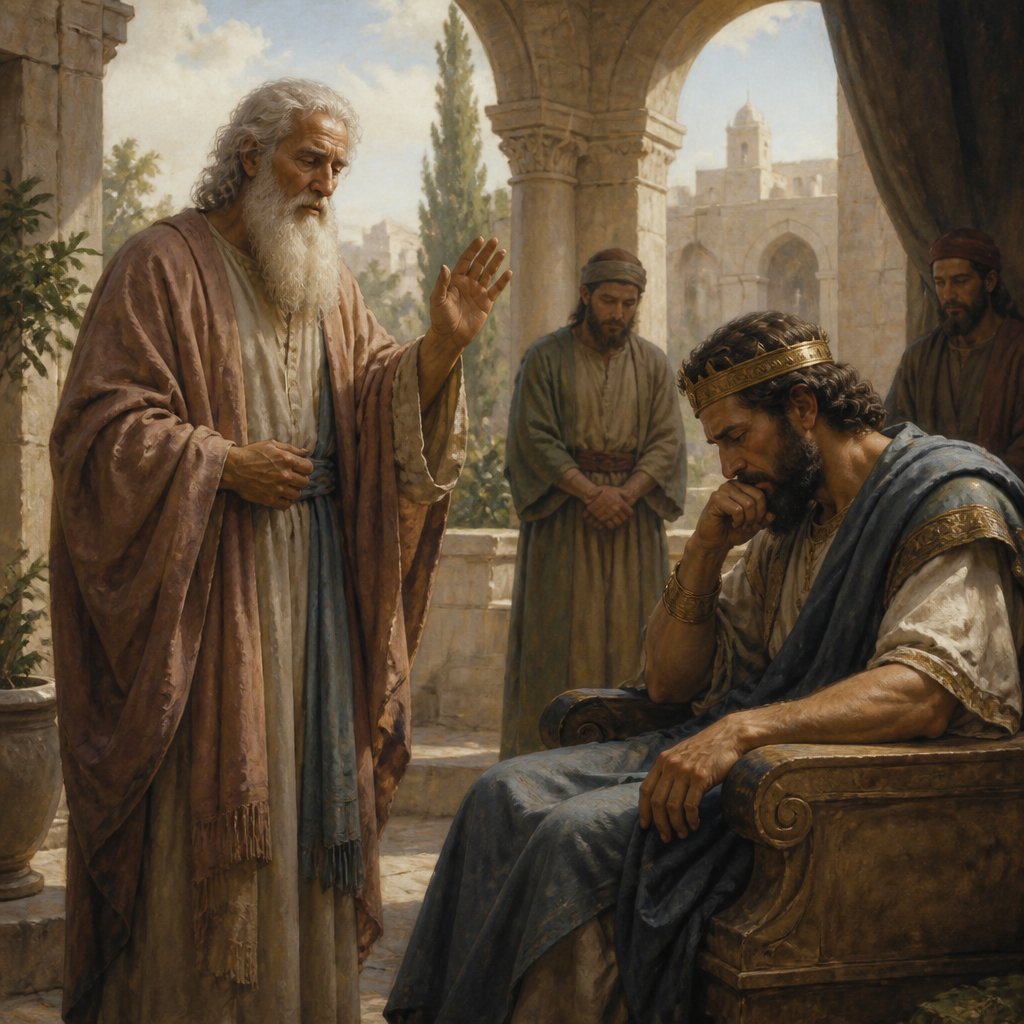
In the book of Isaiah, we find ourselves amidst a prophetic declaration that echoes through the ages. The verse Isaiah 7:13 proclaims, "And he said, Hear ye now, O house of David; Is it a small thing for you to weary men, but will ye weary my God also?" This poignant question posed to the house of David serves as a mirror reflecting our own spiritual condition and the profound responsibility we hold as bearers of His name.
To fully grasp Isaiah’s message, we must consider the context in which it was delivered. Judah was under threat from the kingdoms of Israel and Syria, and King Ahaz of Judah was filled with fear, contemplating alliances and strategies that were far from God’s will. Isaiah, sent by God to confront the king, did not just bring a message of comfort; he issued a challenge. The heart of the challenge lay in whether Ahaz would place his faith in God or allow his situation to rise above his trust in divine providence.
Here, the Lord issues a rebuke that goes beyond mere circumstance—it speaks to the heart of humanity’s actions: the tendency to weary both men and God. The phrase "Is it a small thing for you to weary men?" illustrates a deep truth about human relationships. We often act in ways that burden one another, creating expectations that stretch beyond the limits of our flight. We can become draped in the concerns of our lives, inadvertently placing heavy weights upon those around us.
Yet the question takes a staggering turn—it challenges us to reflect on our impact on God Himself: "but will ye weary my God also?" This thought-provoking inquiry compels us to examine the kinds of expectations we place upon the Almighty. Do we approach Him with a lack of faith, burdening Him with our doubts? Do we treat His grace as if it is easily exhausted by our incessant requests?
The idea of wearying God highlights a significant truth: God does not tire as we do, yet our lack of faith can create a barrier in our relationship with Him. We can act in ways that seem to reflect a belief that God is anything less than the omnipotent, sovereign Creator, who is endlessly capable of providing and sustaining us. In this context, we must understand that our inquiries and downcast spirits can inadvertently reflect a dissonance between our trust in God’s plan and His willingness to act in our favor.
As we wander through our day-to-day lives, we must be intentional not to weary God by a spirit of doubt, complaint, and impatience towards His timing. Instead, let us strive to cultivate a faith that remains steadfast, whether on the mountaintop or in the valley. In the very next chapter, the Lord promises the sign of Emmanuel, indicating His presence with us, a reminder that we are never isolated in our struggles; we share them with a God who desires to be intimately involved in every detail of our lives.
When we feel burdened by life, and when we waver in our faith, let us remember to turn to God in prayer, surrendering our heaviness to Him. Instead of accumulating weariness through questioning His plans or fearing our predicaments, may we instead honor Him with trust and reverence. In times of uncertainty, let us be the voices that say, "I will trust in the Lord, who knows my end from the beginning."
In conclusion, Isaiah’s call to the house of David rings timeless. It invites us to be aware of our actions and the nature of our relationship with God. We must walk in a way that reflects the trustworthiness of His promises, being mindful not to weary Him but to glorify Him. As we face the trials of life, let us remember that the choice is ours—will we evoke weariness or will we rise in faith? Let us choose wisely, holding tightly to the faith that honors the first and the only God.
Get our apps


Artwork for Isaiah 7:13

Isaiah 7:13 - "And he said, Hear ye now, O house of David; Is it a small thing for you to weary men, but will ye weary my God also?"

"And he said, Hear ye now, O house of David; Is it a small thing for you to weary men, but will ye weary my God also?" - Isaiah 7:13

Isaiah 13:7 - "Therefore shall all hands be faint, and every man's heart shall melt:"

"Therefore shall all hands be faint, and every man's heart shall melt:" - Isaiah 13:7

Isaiah 13:1 - "The burden of Babylon, which Isaiah the son of Amoz did see."

Isaiah 41:13

isaiah 6:13

isaiah 6:7

isaiah 6:7

Isaiah 7:7 - "Thus saith the Lord GOD, It shall not stand, neither shall it come to pass."

Isaiah 50:7–9

Isaiah 49 1-7

Isaiah 6:4-7

Matthew 7:13-14

Matthew 7:13-14

Matthew 7:13-14

Matthew 7:13-14

Matthew 7:13-14

Matthew 7:13-14

Matthew 7:13-14

"The burden of Babylon, which Isaiah the son of Amoz did see." - Isaiah 13:1

Matthew 7:13-14

Matthew 7:13-14

Matthew 7:13-14

Matthew 7:13-14

Isaiah 3:13 - "The LORD standeth up to plead, and standeth to judge the people."

Isaiah 13:13 - "Therefore I will shake the heavens, and the earth shall remove out of her place, in the wrath of the LORD of hosts, and in the day of his fierce anger."

Isaiah 63:13 - "That led them through the deep, as an horse in the wilderness, that they should not stumble?"

Mark 13:7

Matthew 7:13