What does Isaiah 7:13 mean?
“And he said, Hear ye now, O house of David; Is it a small thing for you to weary men, but will ye weary my God also?” — Isaiah 7:13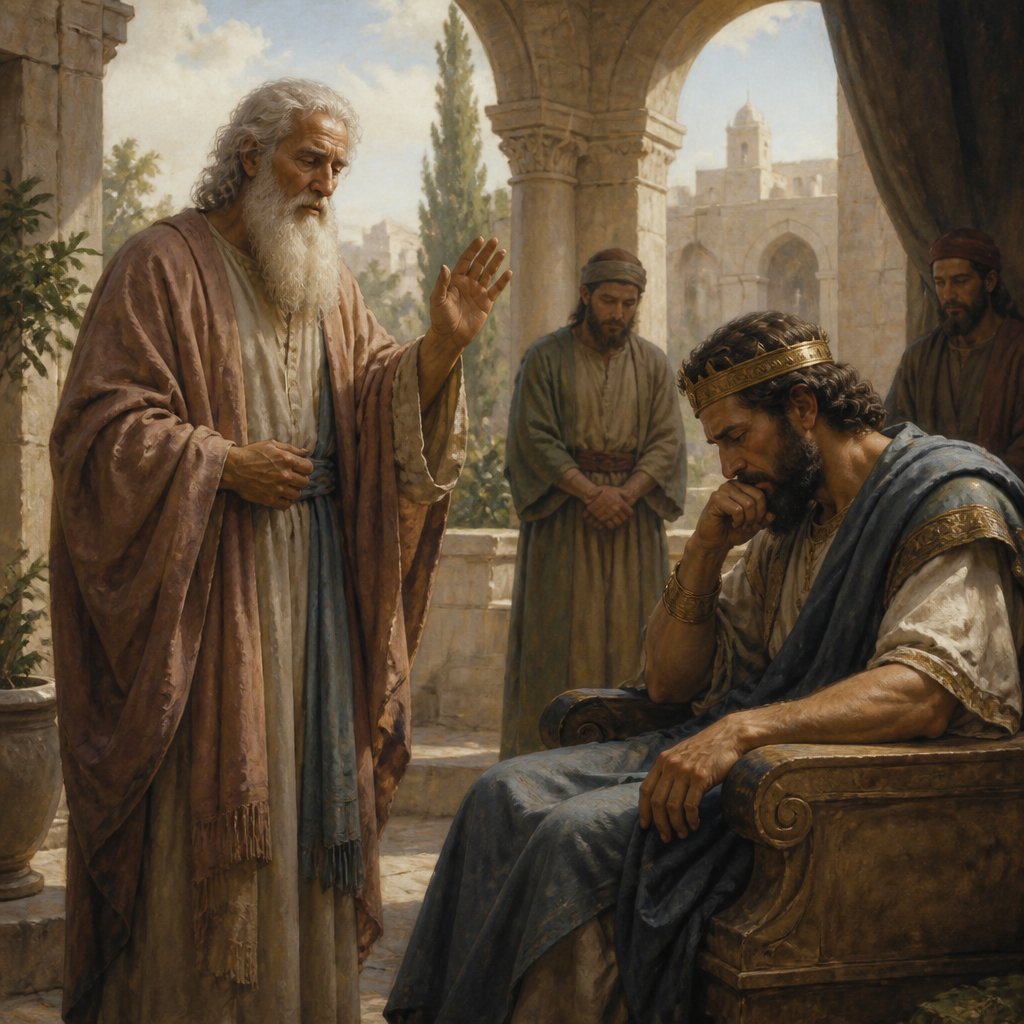
Isaiah 7:13 in the King James Version of the Bible reads, "And he said, Hear ye now, O house of David; Is it a small thing for you to weary men, but will ye weary my God also?" This verse is part of a larger passage in the book of Isaiah, in which the prophet confronts the house of David for their lack of faith and their failure to trust in God's sovereignty. This verse is a powerful reminder of the consequences of turning away from God and relying on human wisdom and strength.
The context of Isaiah 7:13 is important for understanding its deeper meaning and significance. The book of Isaiah was written during a time of great political turmoil and uncertainty in ancient Israel. The prophet Isaiah was called to deliver messages from God to the people of Judah, warning them of the consequences of their sin and calling them to repentance. In the verses leading up to Isaiah 7:13, Isaiah is speaking to King Ahaz of Judah, who is facing the threat of invasion from the Assyrian Empire. Instead of trusting in God to deliver them, Ahaz is considering forming alliances with other nations for protection. This lack of faith and trust in God's sovereignty is what Isaiah is addressing in this passage.
The themes present in Isaiah 7:13 are those of faith, trust, and the consequences of turning away from God. The "house of David" referenced in the verse represents the royal line of Judah, the descendants of King David, and their responsibility to lead the people in faithfulness to God. The question posed in this verse is a powerful one, calling the people to consider the gravity of their actions in light of their relationship with God. It speaks to the overarching theme of the book of Isaiah, which is the call to repentance and the hope of restoration through faith in God.
The symbolism in Isaiah 7:13 is rich and profound. The reference to "wearying" God suggests the idea of causing God to become tired or exasperated with the people's faithlessness and disobedience. This is a striking image that highlights the impact of our actions on our relationship with God. By relying on human strength and wisdom, the house of David is essentially disregarding the power and sovereignty of God, and this is depicted as a wearisome burden for Him.
Furthermore, the mention of the house of David is symbolic of the covenant relationship between God and His people. The line of David was chosen by God to lead and govern His people, and their faithfulness was essential to the fulfillment of His promises. The failure of the house of David to trust in God's protection and deliverance represents a broader pattern of unfaithfulness and disobedience throughout the history of Israel.
In conclusion, Isaiah 7:13 is a powerful and poignant reminder of the importance of faith and trust in God's sovereignty. It challenges us to consider the ways in which we rely on our own wisdom and strength instead of seeking God's guidance and provision. The verse also serves as a warning about the consequences of turning away from God and the wearisome burden it places on our relationship with Him. In the larger context of the book of Isaiah, it is a call to repentance and a reaffirmation of God's faithfulness and power to save.
Get our apps


Artwork for Isaiah 7:13

Isaiah 7:13 - "And he said, Hear ye now, O house of David; Is it a small thing for you to weary men, but will ye weary my God also?"

"And he said, Hear ye now, O house of David; Is it a small thing for you to weary men, but will ye weary my God also?" - Isaiah 7:13

Isaiah 13:7 - "Therefore shall all hands be faint, and every man's heart shall melt:"

"Therefore shall all hands be faint, and every man's heart shall melt:" - Isaiah 13:7

Isaiah 13:1 - "The burden of Babylon, which Isaiah the son of Amoz did see."

Isaiah 41:13

isaiah 6:13

isaiah 6:7

isaiah 6:7

Isaiah 7:7 - "Thus saith the Lord GOD, It shall not stand, neither shall it come to pass."

Isaiah 50:7–9

Isaiah 49 1-7

Isaiah 6:4-7

Matthew 7:13-14

Matthew 7:13-14

Matthew 7:13-14

Matthew 7:13-14

Matthew 7:13-14

Matthew 7:13-14

Matthew 7:13-14

"The burden of Babylon, which Isaiah the son of Amoz did see." - Isaiah 13:1

Matthew 7:13-14

Matthew 7:13-14

Matthew 7:13-14

Matthew 7:13-14

Isaiah 3:13 - "The LORD standeth up to plead, and standeth to judge the people."

Isaiah 13:13 - "Therefore I will shake the heavens, and the earth shall remove out of her place, in the wrath of the LORD of hosts, and in the day of his fierce anger."

Isaiah 63:13 - "That led them through the deep, as an horse in the wilderness, that they should not stumble?"

Mark 13:7

Matthew 7:13