Understanding Our Relationship with God: A Reflection on Jeremiah 2:14
“Is Israel a servant? is he a homeborn slave? why is he spoiled?” — Jeremiah 2:14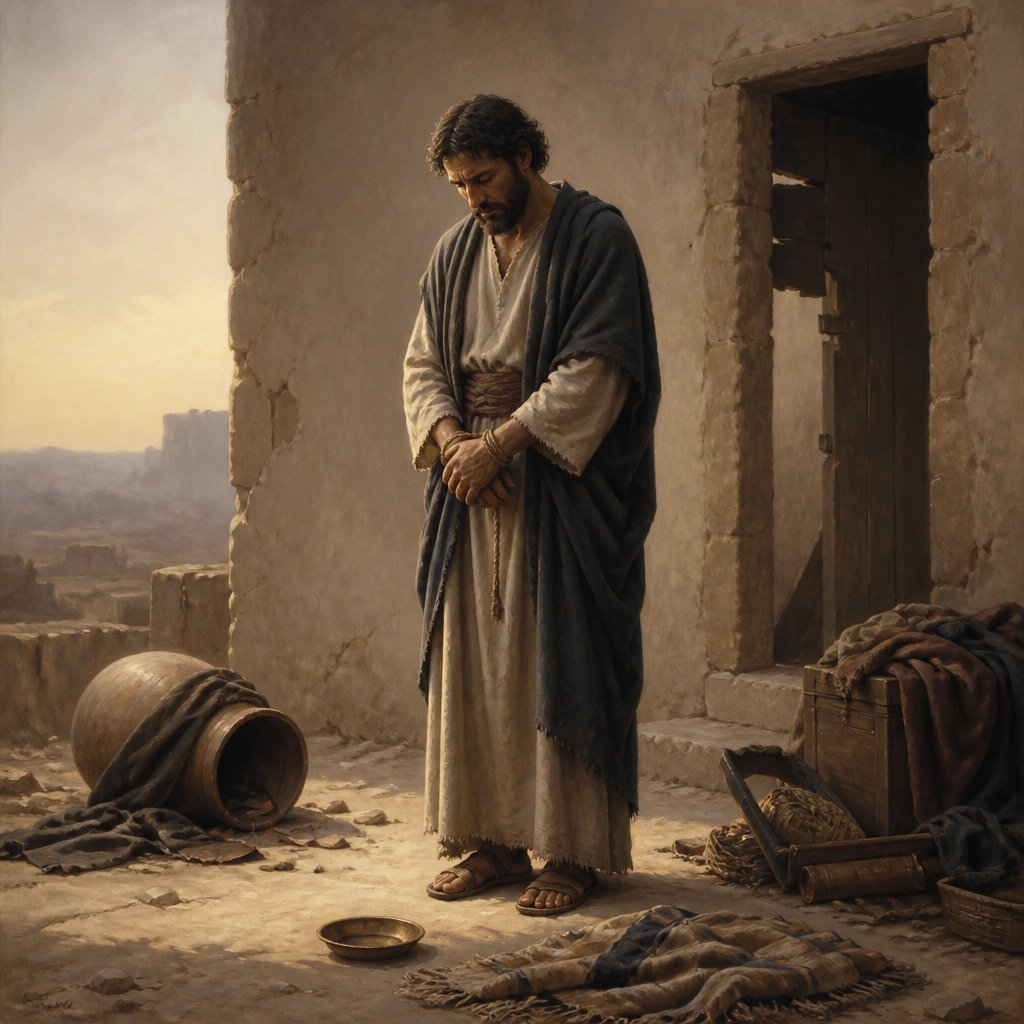
The verse Jeremiah 2:14 from the King James Version reads: "Is Israel a servant? is he a homeborn slave? why is he spoiled?" This profound question posed by the prophet Jeremiah invites us into a deeper understanding of the nature of our relationship with God, our identity, and the reality of spiritual struggles that many of us face in our faith journey.
When we consider the historical context of this verse, we find Israel in a period of great disarray—straying away from God’s covenant and succumbing to the influence of surrounding nations. Jeremiah, as a prophet, is tasked with delivering God’s message during a time where distractions and temptations threaten to pull the people away from their identity as chosen ones. The imagery of Israel as a servant or a homeborn slave signifies that they had a position of privilege and belonging; however, they had become likened to someone who had been overtaken and oppressed, revealing a larger spiritual truth about their condition.
Let us break down this verse further. The phrase "Is Israel a servant?" highlights the expectation that God's people would serve Him with devotion. Servanthood in the biblical context often speaks to loyalty and the commitment to fulfill one’s role in pleasing God and furthering His kingdom. As followers of God today, we too are called to serve, to embrace our identity as His children and ambassadors. Therefore, the question raises a challenge for us to examine whether we are living out this identity or sliding into a mindset of entitlement rather than servitude.
Next, Jeremiah asks, "Is he a homeborn slave?" This phrase suggests that Israel's identity was intertwined with servitude—serving God and being dedicated to His mission by nature of their creation and calling. Yet, the question also invokes a sense of irony; although they were called to be free and flourish under God’s sovereignty, they had returned to a state of spiritual bondage by aligning themselves with foreign practices and beliefs. As believers today, do we also find ourselves entangled in habits, ideologies, or even relationships that lead us away from God? This inquiry serves as a reflective tool prompting us to consider our choices and allegiances.
The final part of the verse asks, "Why is he spoiled?" A powerful question that strikes at the heart of our spiritual lives. To be spoiled implies being plundered, robbed of strength, dignity, and purpose. God’s people were not merely victims of external circumstances; rather, they became vulnerable to decay and destruction because of their spiritual negligence. It’s a poignant reminder that just as the Israelites faced consequences for straying from God, we too can suffer if we disregard His ways. We are often spoiled by the distractions of this world—materialism, pride, and sin—all of which erode our faith and vitality.
So, how do we respond to this ? Jeremiah’s plea serves as a clarion call for repentance and a return to our first love: God Himself. We are invited to reflect on our own lives and actively choose to align ourselves with God’s will. Here are some practical steps to help us realign our hearts:
1. **Self-Examination**: Spend time in prayer, asking the Holy Spirit to reveal areas where you may have compromised or become complacent in your relationship with God.
2. **Renew Your Commitment**: Declaring a fresh commitment to serve God wholeheartedly, involving yourself in community worship, prayer, and acts of service.
3. **Seek Accountability**: Engage with fellow believers who can offer support and encouragement on your journey, reminding each other of our identity in Christ.
In conclusion, Jeremiah 2:14 serves not only as a historical reflection but as a timeless truth that reminds us of our identity, our calling, and the dangers of spiritual complacency. As we move through our lives, let us be vigilant and intentional in nurturing our relationship with God, ensuring we are never in a position of being spoiled but instead thriving in the freedom that comes from serving Him.
Get our apps


Artwork for Jeremiah 2:14
"¶ Is Israel a servant? is he a homeborn slave? why is he spoiled?" - Jeremiah 2:14

Jeremiah 14:2 - "Judah mourneth, and the gates thereof languish; they are black unto the ground; and the cry of Jerusalem is gone up."

Jeremiah 14:1 - "The word of the LORD that came to Jeremiah concerning the dearth."

Jeremiah 37:14 - "Then said Jeremiah, It is false; I fall not away to the Chaldeans. But he hearkened not to him: so Irijah took Jeremiah, and brought him to the princes."

Jeremiah 29: 4-14

Jeremiah 29: 4-14

Jeremiah 29: 4-14

Jeremiah 29: 4-14

Jeremiah 29: 4-14

"The word of the LORD that came to Jeremiah concerning the dearth." - Jeremiah 14:1
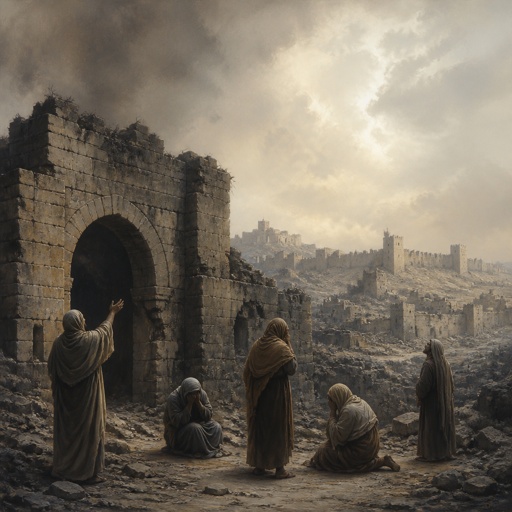
"Judah mourneth, and the gates thereof languish; they are black unto the ground; and the cry of Jerusalem is gone up." - Jeremiah 14:2

Jeremiah 38:14 - "¶ Then Zedekiah the king sent, and took Jeremiah the prophet unto him into the third entry that is in the house of the LORD: and the king said unto Jeremiah, I will ask thee a thing; hide nothing from me."

Jeremiah 14:11 - "Then said the LORD unto me, Pray not for this people for their good."

Jeremiah 19:14 - "Then came Jeremiah from Tophet, whither the LORD had sent him to prophesy; and he stood in the court of the LORD'S house; and said to all the people,"

Jeremiah 14:5 - "Yea, the hind also calved in the field, and forsook it, because there was no grass."

Jeremiah 48:14 - "¶ How say ye, We are mighty and strong men for the war?"

Jeremiah 14:4 - "Because the ground is chapt, for there was no rain in the earth, the plowmen were ashamed, they covered their heads."

Jeremiah 39:14 - "Even they sent, and took Jeremiah out of the court of the prison, and committed him unto Gedaliah the son of Ahikam the son of Shaphan, that he should carry him home: so he dwelt among the people."

Jeremiah 9:14 - "But have walked after the imagination of their own heart, and after Baalim, which their fathers taught them:"

Jeremiah 26:14 - "As for me, behold, I am in your hand: do with me as seemeth good and meet unto you."

Jeremiah 52:14 - "And all the army of the Chaldeans, that were with the captain of the guard, brake down all the walls of Jerusalem round about."

"Then said Jeremiah, It is false; I fall not away to the Chaldeans. But he hearkened not to him: so Irijah took Jeremiah, and brought him to the princes." - Jeremiah 37:14

Jeremiah 31:14 - "And I will satiate the soul of the priests with fatness, and my people shall be satisfied with my goodness, saith the LORD."

Jeremiah 20:14 - "¶ Cursed be the day wherein I was born: let not the day wherein my mother bare me be blessed."

Jeremiah 6:14 - "They have healed also the hurt of the daughter of my people slightly, saying, Peace, peace; when there is no peace."

Jeremiah 25:2 - "The which Jeremiah the prophet spake unto all the people of Judah, and to all the inhabitants of Jerusalem, saying,"

Jeremiah 1:14 - "Then the LORD said unto me, Out of the north an evil shall break forth upon all the inhabitants of the land."

Jeremiah 3:2

Jeremiah 14:20 - "We acknowledge, O LORD, our wickedness, and the iniquity of our fathers: for we have sinned against thee."

Jeremiah 20:2 - "Then Pashur smote Jeremiah the prophet, and put him in the stocks that were in the high gate of Benjamin, which was by the house of the LORD."