What does Jeremiah 2:14 mean?
“Is Israel a servant? is he a homeborn slave? why is he spoiled?” — Jeremiah 2:14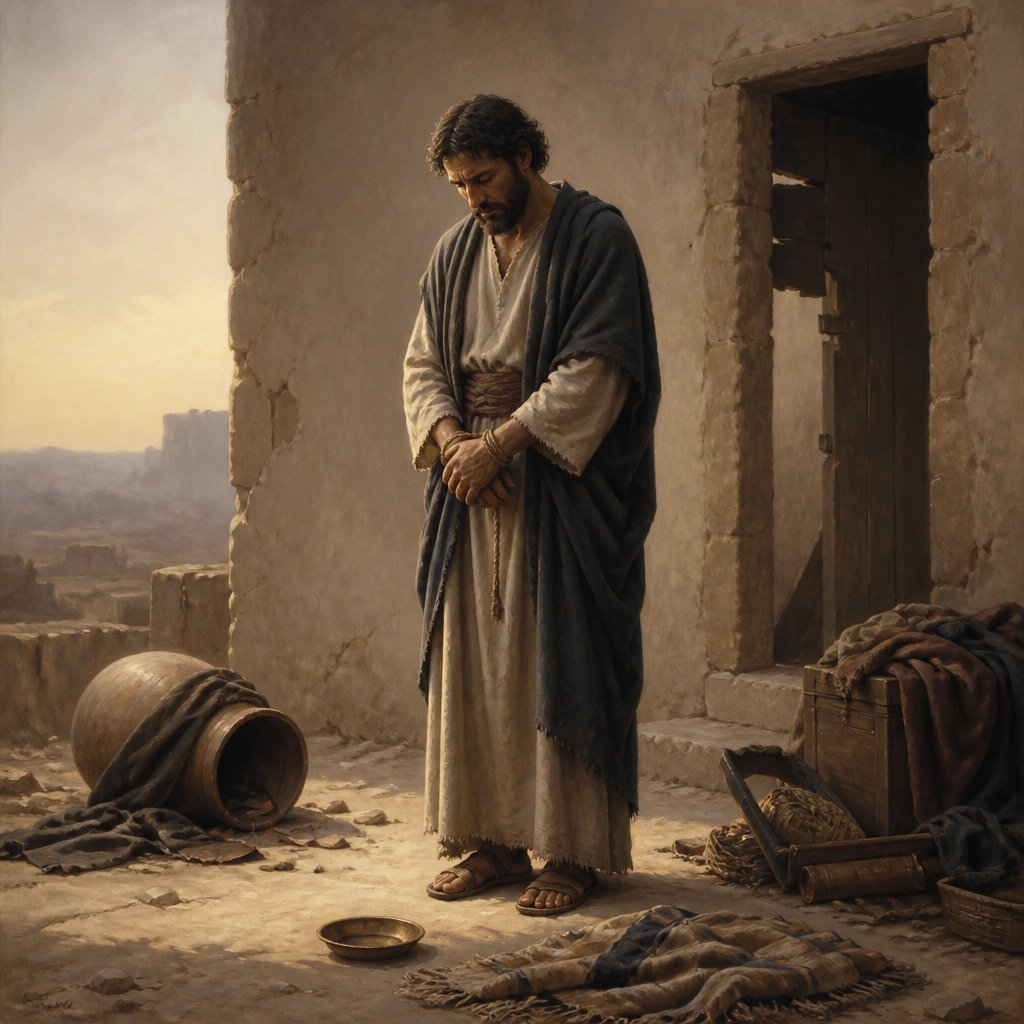
The Bible verse Jeremiah 2:14 from the King James Version reads: "Is Israel a servant? is he a homeborn slave? why is he spoiled?"
In order to understand the depth and meaning of this verse, it is important to provide some context from the book of Jeremiah. Jeremiah was a prophet in the Old Testament, who ministered during a time of great social and political upheaval in ancient Israel. The people had turned away from God and were engaging in idolatry and social injustice. In the preceding verses, Jeremiah speaks on behalf of the Lord, expressing God's disappointment with Israel's unfaithfulness. The verse in question is part of a larger passage in which Jeremiah is reminding the people of Israel of their initial covenant with God and the subsequent betrayal of that covenant.
In this verse, the prophet Jeremiah is asking a series of rhetorical questions to demonstrate the irony of Israel's situation. He asks if Israel is a servant, a homeborn slave, and why they are spoiled. These questions are intended to prompt introspection and self-examination among the people of Israel.
One interpretation of this verse is that Jeremiah is highlighting the paradox of Israel's relationship with God. Despite being chosen as God's people and being given the promise of a prosperous and abundant life, they have turned away from God and have become spoiled or corrupted. The use of the term "servant" and "homeborn slave" suggests that Israel has lost its freedom and independence, becoming subservient to their own sinful desires and the influences of other nations.
Another interpretation of this verse is that it speaks to the moral and spiritual degradation of Israel. The use of the word "spoiled" implies that they have become morally corrupt and morally bankrupt. The people of Israel have forsaken their spiritual heritage and have become enmeshed in the immoral practices of the surrounding nations.
This verse also touches upon the themes of covenant and faithfulness. The covenant relationship between God and Israel is foundational to the Old Testament, and Jeremiah's message serves as a call for Israel to remember their covenant and to return to God. The questions posed in the verse emphasize the tragic irony that despite their privileged position as God's chosen people, they have descended into spiritual slavery and moral decay.
Symbolism plays a significant role in this verse as well. The use of the terms "servant" and "homeborn slave" symbolize the loss of freedom and independence that comes with turning away from God. The term "spoiled" symbolizes the moral and spiritual decay that has taken hold of Israel. These symbols serve to underline the severity of the people's situation and the urgency of their need for repentance and restoration.
In conclusion, Jeremiah 2:14 from the King James Version of the Bible serves as a powerful and evocative reminder of the consequences of turning away from God. It conveys a sense of urgency and importance, calling for a return to the covenant and a renewed faithfulness to God. It also challenges readers to examine their own lives and to consider the ways in which they may have become enslaved to sin and corruption. Ultimately, this verse is a call to redemption and restoration, urging the people of Israel and all readers to recommit themselves to God and His ways.
Get our apps


Artwork for Jeremiah 2:14
"¶ Is Israel a servant? is he a homeborn slave? why is he spoiled?" - Jeremiah 2:14

Jeremiah 14:2 - "Judah mourneth, and the gates thereof languish; they are black unto the ground; and the cry of Jerusalem is gone up."

Jeremiah 14:1 - "The word of the LORD that came to Jeremiah concerning the dearth."

Jeremiah 37:14 - "Then said Jeremiah, It is false; I fall not away to the Chaldeans. But he hearkened not to him: so Irijah took Jeremiah, and brought him to the princes."

Jeremiah 29: 4-14

Jeremiah 29: 4-14

Jeremiah 29: 4-14

Jeremiah 29: 4-14

Jeremiah 29: 4-14

"The word of the LORD that came to Jeremiah concerning the dearth." - Jeremiah 14:1
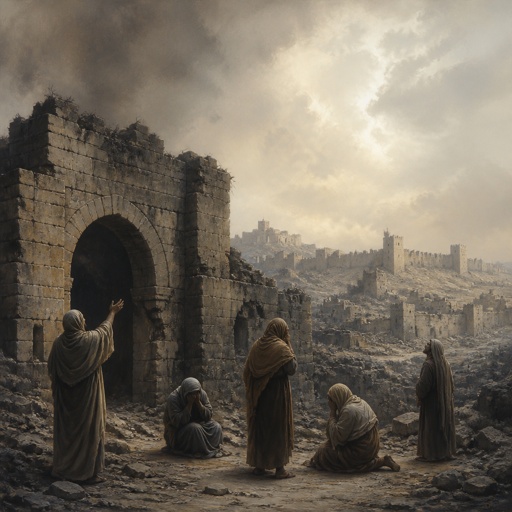
"Judah mourneth, and the gates thereof languish; they are black unto the ground; and the cry of Jerusalem is gone up." - Jeremiah 14:2

Jeremiah 38:14 - "¶ Then Zedekiah the king sent, and took Jeremiah the prophet unto him into the third entry that is in the house of the LORD: and the king said unto Jeremiah, I will ask thee a thing; hide nothing from me."

Jeremiah 14:11 - "Then said the LORD unto me, Pray not for this people for their good."

Jeremiah 19:14 - "Then came Jeremiah from Tophet, whither the LORD had sent him to prophesy; and he stood in the court of the LORD'S house; and said to all the people,"

Jeremiah 14:5 - "Yea, the hind also calved in the field, and forsook it, because there was no grass."

Jeremiah 48:14 - "¶ How say ye, We are mighty and strong men for the war?"

Jeremiah 14:4 - "Because the ground is chapt, for there was no rain in the earth, the plowmen were ashamed, they covered their heads."

Jeremiah 39:14 - "Even they sent, and took Jeremiah out of the court of the prison, and committed him unto Gedaliah the son of Ahikam the son of Shaphan, that he should carry him home: so he dwelt among the people."

Jeremiah 9:14 - "But have walked after the imagination of their own heart, and after Baalim, which their fathers taught them:"

Jeremiah 26:14 - "As for me, behold, I am in your hand: do with me as seemeth good and meet unto you."

Jeremiah 52:14 - "And all the army of the Chaldeans, that were with the captain of the guard, brake down all the walls of Jerusalem round about."

"Then said Jeremiah, It is false; I fall not away to the Chaldeans. But he hearkened not to him: so Irijah took Jeremiah, and brought him to the princes." - Jeremiah 37:14

Jeremiah 31:14 - "And I will satiate the soul of the priests with fatness, and my people shall be satisfied with my goodness, saith the LORD."

Jeremiah 20:14 - "¶ Cursed be the day wherein I was born: let not the day wherein my mother bare me be blessed."

Jeremiah 6:14 - "They have healed also the hurt of the daughter of my people slightly, saying, Peace, peace; when there is no peace."

Jeremiah 25:2 - "The which Jeremiah the prophet spake unto all the people of Judah, and to all the inhabitants of Jerusalem, saying,"

Jeremiah 1:14 - "Then the LORD said unto me, Out of the north an evil shall break forth upon all the inhabitants of the land."

Jeremiah 3:2

Jeremiah 14:20 - "We acknowledge, O LORD, our wickedness, and the iniquity of our fathers: for we have sinned against thee."

Jeremiah 20:2 - "Then Pashur smote Jeremiah the prophet, and put him in the stocks that were in the high gate of Benjamin, which was by the house of the LORD."