The Bitterness of the Soul: Finding Hope in Darkness
“And another dieth in the bitterness of his soul, and never eateth with pleasure.” — Job 21:25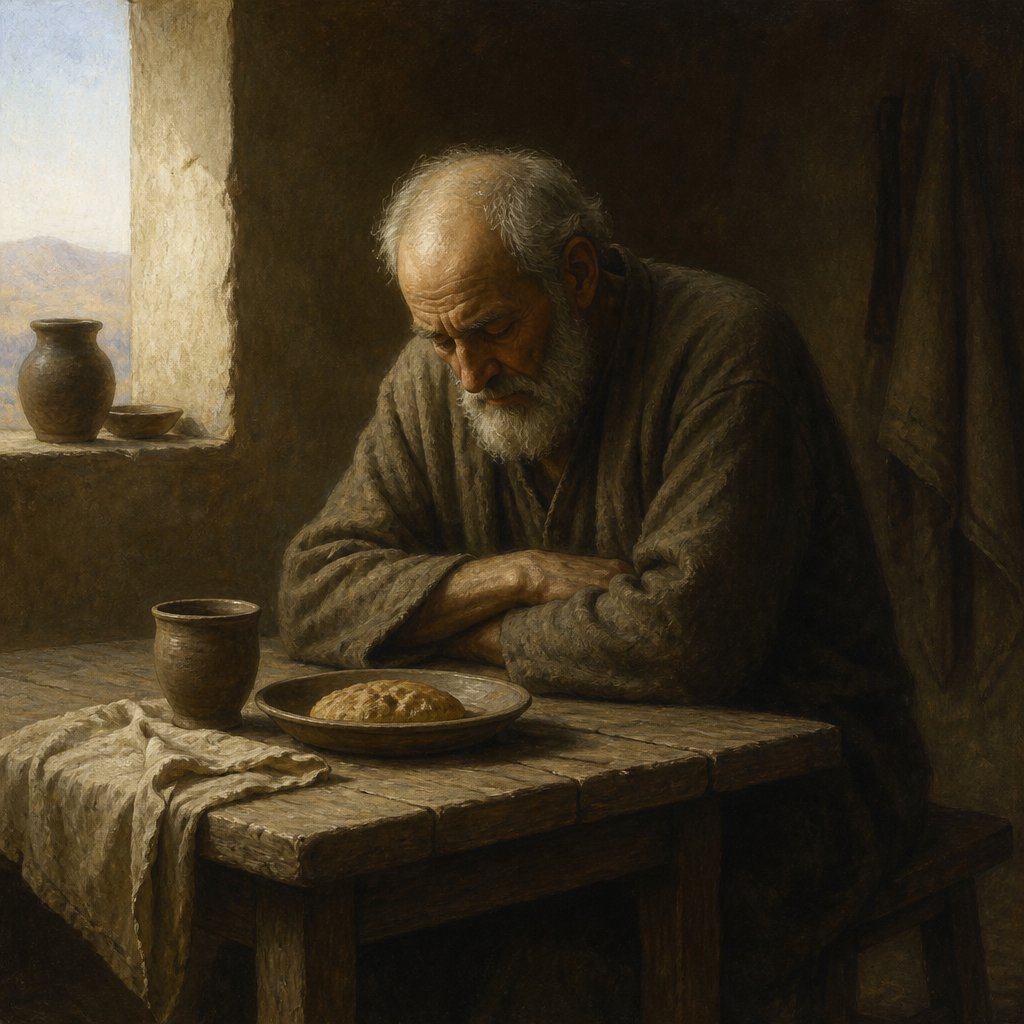
Job 21:25 states, "And another dieth in the bitterness of his soul, and never eateth with pleasure." This verse from the Book of Job resonates deeply with those who have felt the weight of despair and the sharp pangs of bitterness that arise from intense suffering and loss. It is a stark reminder of the harsh realities of life, particularly in moments of grief, disappointment, or relentless trials.
The context of this verse is embedded in a passionate discourse that Job offers as he responds to the harsh judgments of his friends. Amid his deep anguish and personal suffering, Job defends the integrity of his faith. He questions the idea that good fortune is a direct result of righteousness, suggesting instead that many seemingly wicked people thrive while the righteous suffer. This leads to the poignant observation in verse 25, highlighting the reality that some souls die embittered, having never experienced joy or pleasure in their lives.
To fully appreciate this verse, we must understand the depth of Job’s affliction. He lost his children, his health, and his livelihood. His friends—though initially supportive—insisted that his suffering must be a punishment for sins. Job, on the other hand, insisted on his innocence and wrestled with his understanding of God’s justice. For Job, the bitterness of his soul was not merely a transient feeling but a profound condition that impacted his entire being.
Today, many experience a similar bitterness. We find ourselves battling the challenges of life: the loss of loved ones, unfulfilled dreams, or unabated trials that leave us wondering about our worth and the goodness of God. It is easy to succumb to despair, to view our circumstances through a lens that clouds our ability to see beauty, purpose, or hope. Job’s words reflect a profound truth; bitterness can easily infiltrate our hearts when we feel abandoned, misunderstood, or unjustly punished.
The phrase "never eateth with pleasure" suggests a life lived in turmoil—where joy is stifled, and satisfaction is fleeting or non-existent. This speaks to more than just the absence of nourishment; it conveys a deeper deprivation of spiritual and emotional sustenance. When we are engulfed by bitterness, the simple joys and mundane delights of life seem hollow or elusive. Activities that once brought us comfort may no longer be palatable. We may feel isolated, as if joy is an unattainable luxury meant for others but not for us.
Yet, amid such sorrow, there lies the unique opportunity for transformation. Job, despite his suffering, eventually found solace in God’s presence. The journey through bitterness didn’t eliminate his pain, but it eventually led him to a deeper understanding of God’s sovereignty and love. Like Job, we too can turn our bitterness into a pathway leading us back to God—a process that begins with honest lamentation and moves towards seeking His face.
The journey through bitterness is not to be undertaken lightly, nor should we pretend that pain does not exist. However, allowing ourselves to confront and process our feelings before God can lead to healing. In the depths of our pain, we are invited to seek out God, who promises to meet us there. It is in our darkest moments that the light of God shines ever more brightly, illuminating the path toward hope and restoration.
As we reflect on Job 21:25, let us engage with our own darkness openly and sincerely. Let bitterness inform us of the areas in our personal lives where we are struggling, but let it not define us. Instead, may it create in us a longing for deeper relationship and healing from the one who is acquainted with grief.
In conclusion, though we may experience the bitterness of our souls, we must remember that our journey does not end there. Rather, it is the beginning of a deeper quest for joy, understanding, and ultimately, the presence of God, who alone can turn our bitterness into blessing.
Get our apps


Artwork for Job 21:25

Job 21:25 - "And another dieth in the bitterness of his soul, and never eateth with pleasure."
"And another dieth in the bitterness of his soul, and never eateth with pleasure." - Job 21:25

Job 21:1 - "But Job answered and said,"

Job 39:13-25

"But Job answered and said," - Job 21:1

Job 1:21

Job 25:1 - "Then answered Bildad the Shuhite, and said,"

Job 1:21

Job 3:20-21 - "Job 3:20-21: Why is light given to those in misery, and life to the bitter of soul, to those who long for death that does not come, who search for it more than for hidden treasure?"

Matthew 25:21

Matthew 25:21

Genesis 21-25

Genesis 21:25

Genesis 21:25

John 21:25

Matthew 21:25

Job 28:25 - "To make the weight for the winds; and he weigheth the waters by measure."

Jeremiah 25:21 - "Edom, and Moab, and the children of Ammon,"

Job 21:21 - "For what pleasure hath he in his house after him, when the number of his months is cut off in the midst?"

Job 30:25 - "Did not I weep for him that was in trouble? was not my soul grieved for the poor?"

Job 25:5 - "Behold even to the moon, and it shineth not; yea, the stars are not pure in his sight."

Job 36:25 - "Every man may see it; man may behold it afar off."

Job 6:25 - "How forcible are right words! but what doth your arguing reprove?"

Job 38:25 - "Who hath divided a watercourse for the overflowing of waters, or a way for the lightning of thunder;"

Job 25:2 - "Dominion and fear are with him, he maketh peace in his high places."

Job 25:6 - "How much less man, that is a worm? and the son of man, which is a worm?"

"Then answered Bildad the Shuhite, and said," - Job 25:1

Job 21:12 - "They take the timbrel and harp, and rejoice at the sound of the organ."

Job 25:3 - "Is there any number of his armies? and upon whom doth not his light arise?"

Job 34:25 - "Therefore he knoweth their works, and he overturneth them in the night, so that they are destroyed."