What does Job 21:25 mean?
“And another dieth in the bitterness of his soul, and never eateth with pleasure.” — Job 21:25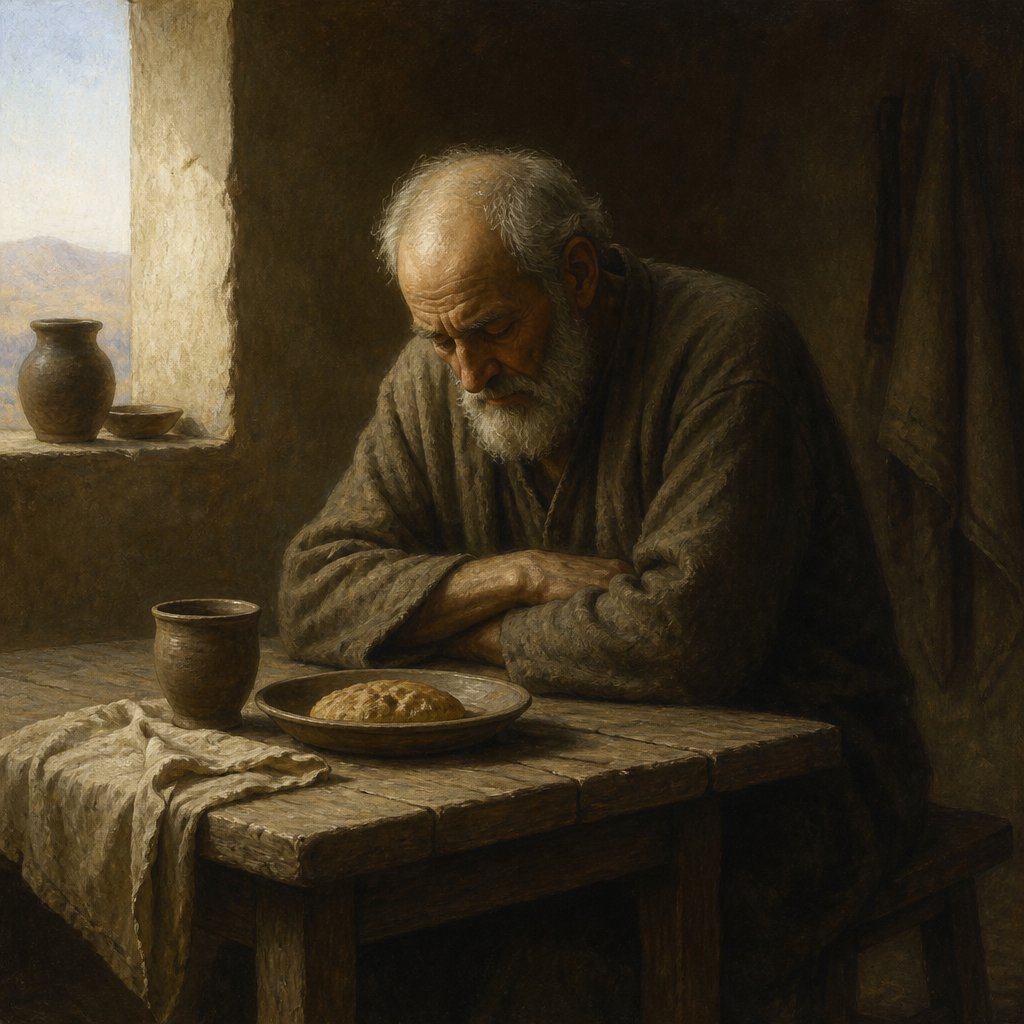
Job 21:25 (KJV) says, "And another dieth in the bitterness of his soul, and never eateth with pleasure."
In this verse, Job is speaking to his friends, explaining his view on the apparent prosperity of the wicked. He is expressing the observation that some people, despite living a life of sin and immorality, do not seem to suffer the consequences of their actions in this life. Instead, they die without experiencing the bitterness of the consequences of their actions. This verse is part of a larger dialogue in the Book of Job where Job is grappling with the idea of the prosperity of the wicked and the suffering of the righteous.
The Book of Job is a complex and deeply philosophical work that grapples with the problem of suffering, the justice of God, and the nature of human existence. The larger context of this verse is important to understand the depth of Job's struggle and the exploration of these themes.
Job, a righteous and upright man, is suddenly struck with great suffering and loss. His friends come to comfort him in his affliction, but instead of providing solace, they accuse him of some great hidden sin that has brought upon him the suffering he is experiencing. Job maintains his innocence and questions the justice of God in allowing the righteous to suffer while the wicked appear to prosper. This verse is part of Job's defense of his innocence and his critique of his friends' simplistic view of suffering and prosperity.
The verse speaks to the bitterness of the soul, indicating not only the physical suffering but the deep emotional and spiritual anguish experienced by some. It raises profound questions about the nature of suffering and the apparent injustice in the distribution of fortune and misfortune among people. Job is challenging his friends, and by extension the reader, to confront the reality that the wicked do not always face immediate consequences for their actions, and that sometimes they appear to die without experiencing the bitterness of their soul.
The theme of the prosperity of the wicked in the face of the suffering of the righteous is a powerful and enduring theme found throughout the Bible and other ancient texts. It speaks to the universal human experience of grappling with the problem of evil and the apparent absence of justice in the world. It is a theme that resonates with people of faith and those who struggle to make sense of the suffering they experience or witness in the world.
The symbolism in this verse lies in the contrast between the bitterness of the soul and the pleasure of eating. It evokes the idea of a life lived in despair and hopelessness, contrasted with a life of joy and satisfaction. The contrast between the two serves to highlight the profound nature of suffering and the absence of justice. The bitterness of the soul symbolizes the deep anguish and distress experienced by those who suffer, while the pleasure of eating represents the simple joy and contentment that the wicked seem to enjoy, despite their sinful ways.
In conclusion, Job 21:25 is a powerful and thought-provoking verse that raises profound questions about the nature of suffering, the justice of God, and the apparent prosperity of the wicked. It is part of a larger dialogue in the Book of Job that grapples with these timeless and universal themes. The verse challenges readers to confront the reality of suffering and the apparent absence of justice in the world, and it invites us to wrestle with these profound questions of faith and existence.
Get our apps


Artwork for Job 21:25

Job 21:25 - "And another dieth in the bitterness of his soul, and never eateth with pleasure."
"And another dieth in the bitterness of his soul, and never eateth with pleasure." - Job 21:25

Job 21:1 - "But Job answered and said,"

Job 39:13-25

"But Job answered and said," - Job 21:1

Job 1:21

Job 25:1 - "Then answered Bildad the Shuhite, and said,"

Job 1:21

Job 3:20-21 - "Job 3:20-21: Why is light given to those in misery, and life to the bitter of soul, to those who long for death that does not come, who search for it more than for hidden treasure?"

Matthew 25:21

Matthew 25:21

Genesis 21-25

Genesis 21:25

Genesis 21:25

John 21:25

Matthew 21:25

Job 28:25 - "To make the weight for the winds; and he weigheth the waters by measure."

Jeremiah 25:21 - "Edom, and Moab, and the children of Ammon,"

Job 21:21 - "For what pleasure hath he in his house after him, when the number of his months is cut off in the midst?"

Job 30:25 - "Did not I weep for him that was in trouble? was not my soul grieved for the poor?"

Job 25:5 - "Behold even to the moon, and it shineth not; yea, the stars are not pure in his sight."

Job 36:25 - "Every man may see it; man may behold it afar off."

Job 6:25 - "How forcible are right words! but what doth your arguing reprove?"

Job 38:25 - "Who hath divided a watercourse for the overflowing of waters, or a way for the lightning of thunder;"

Job 25:2 - "Dominion and fear are with him, he maketh peace in his high places."

Job 25:6 - "How much less man, that is a worm? and the son of man, which is a worm?"
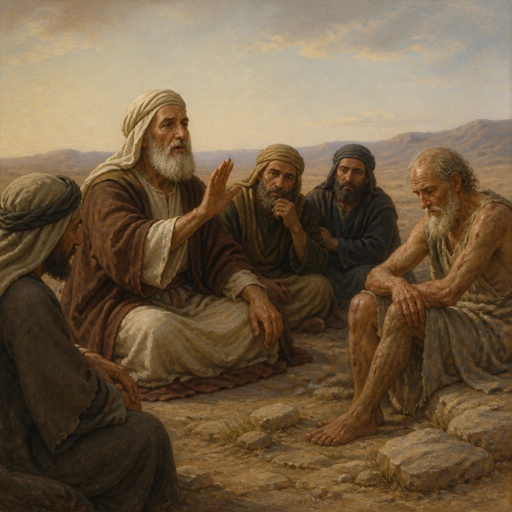
"Then answered Bildad the Shuhite, and said," - Job 25:1

Job 21:12 - "They take the timbrel and harp, and rejoice at the sound of the organ."

Job 25:3 - "Is there any number of his armies? and upon whom doth not his light arise?"

Job 34:25 - "Therefore he knoweth their works, and he overturneth them in the night, so that they are destroyed."