The Divine Connection: Believing in the Sender
“Jesus cried and said, He that believeth on me, believeth not on me, but on him that sent me.” — John 12:44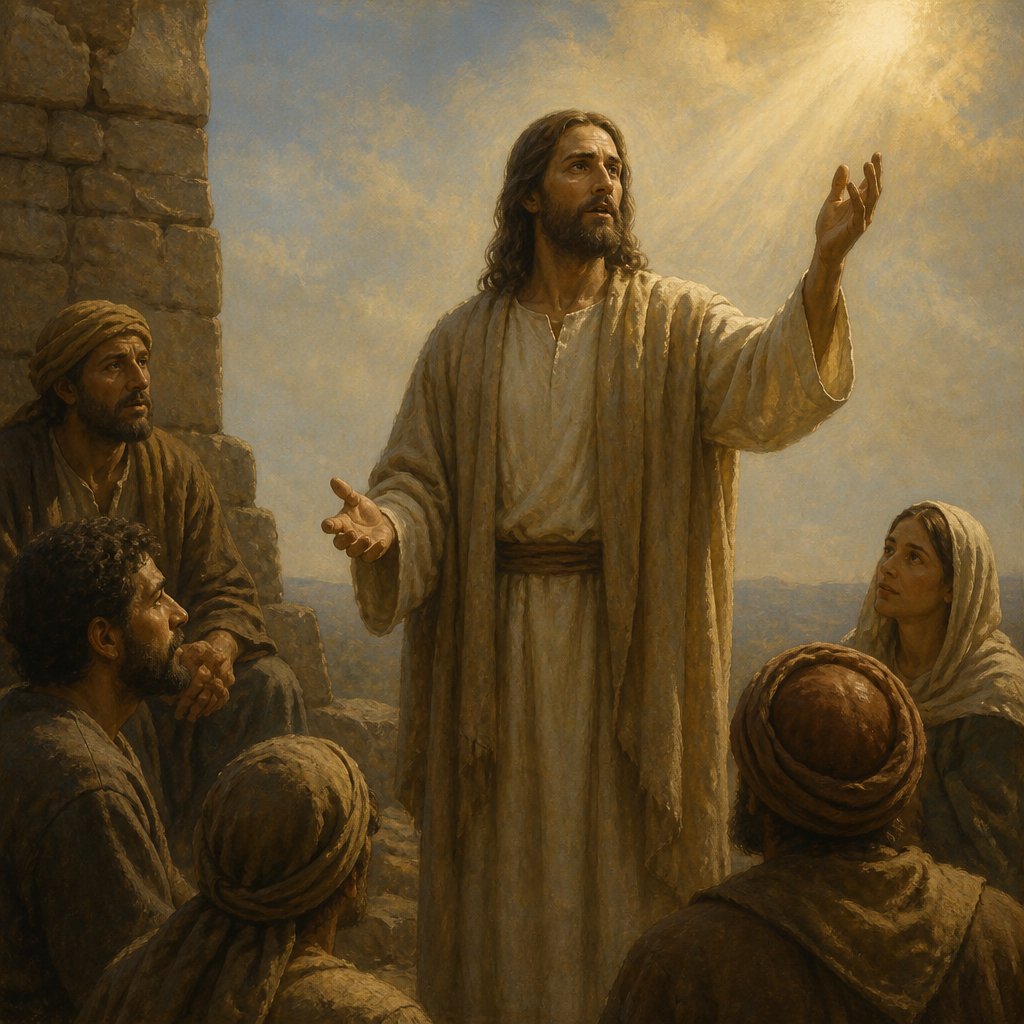
In John 12:44, the Lord Jesus, in a moment of profound revelation, cries out, “He that believeth on me, believeth not on me, but on him that sent me.” This is a statement loaded with spiritual weight and significance. As we delve into this verse, we uncover layers of divine truth regarding faith, authority, and our relationship with God.
At first glance, Jesus is addressing the nature of belief itself. He makes it clear that to believe in Him is to believe not just in His person but in His mission and the authority of God the Father who sent Him. This intertwining of belief emphasizes the oneness of the Father and the Son, demonstrating that faith in Christ is anchored in a much broader and deeper reality—that of God’s redemptive work in the world.
To grasp the importance of this verse, we must consider the context in which Jesus speaks. Throughout the Gospel of John, Jesus continually reveals the heart of the Father through His teachings, miracles, and ultimately His sacrificial love. His declaration is both an invitation and a challenge, urging His listeners to transcend mere acknowledgment of His works and to understand the profound relationship between the Father and the Son.
When Jesus calls out, “He that believeth on me,” He invites us to enter into a personal relationship with Him. However, He quickly reminds us that this personal relationship is not isolated; it is intrinsically connected to the divine purpose of God. Belief in Jesus entails a belief in His divine origin and the truth that He is the embodiment of God's love and plan for Humanity. It is an acknowledgment that our faith is not built on mere human wisdom or charisma but on the eternal foundation established by God Himself.
Consider the implications of believing in Jesus as described in this verse. When we place our faith in Him, we align ourselves with the very heart of God. This is an invitation to see our relationship with Jesus as a reflection of our understanding of the Father. To accept Jesus is to embrace the entire truth of God’s character, His purpose, and His eternal plans for us. In believing in Christ, we implicitly recognize and honor the authority of God who sent Him.
The call to believe is not simply about intellectual assent or emotional experience; it demands a holistic commitment to the truth of who Jesus is and what He represents. In believing in Jesus, we are aligning our lives with the purposes of the one who created the universe. We are responding to the Holy invitation to partake in the life that the Father offers through the Son.
Furthermore, reflecting on the statement “but on him that sent me” allows us to appreciate the depth of the Trinitarian relationship. The Father, Son, and Holy Spirit are one in purpose and being. Believing in one necessitates acknowledgment of the other. As believers, we must cultivate a faith that recognizes the full character of God—a goodness that desires a relationship with each of us, reached through Jesus Christ.
As we meditate on this verse, let us examine our own faith. Are we simply believing in Jesus for what He can do for us? Or do we recognize Him as the gateway to knowing and understanding the Father? True faith matures when it sees beyond the immediate benefits of belief and embraces the fullness of God's redemptive narrative.
In a world filled with confusion and a plethora of beliefs, our calling as followers of Christ is to reflect the light of God’s truth. Jesus implores us not only to believe in Him but to understand that such belief is an act of faith in God Himself. Let our faith be not just a belief in Jesus’ powers, but a deep-rooted trust in who He is—the one sent from the Father, the embodiment of divine love, and the fulfillment of God’s promise to humanity.
In conclusion, let us commit to believing in Jesus while acknowledging the profound truth that to believe in Him is to believe in the very essence of God. May our faith lead us to a deeper understanding of God’s character, His plans for us, and ultimately, a closer relationship with our Creator.
Get our apps


Artwork for John 12:44

John 12:44 - "¶ Jesus cried and said, He that believeth on me, believeth not on me, but on him that sent me."

"¶ Jesus cried and said, He that believeth on me, believeth not on me, but on him that sent me." - John 12:44

John 8:44

John 8:44

John 8:44

John 11,43, 44

John 1:44 - "Now Philip was of Bethsaida, the city of Andrew and Peter."

Mark 12:41 - 44

Mark 12:41 - 44

Mark 12:41 - 44

Mark 12:41 - 44

Mark 12:41 - 44

John 4:44 - "For Jesus himself testified, that a prophet hath no honour in his own country."

John 7:44 - "And some of them would have taken him; but no man laid hands on him."

John 11:43-44 – "When he had said this, Jesus called in a loud voice, 'Lazarus, come out!'"

"Now Philip was of Bethsaida, the city of Andrew and Peter." - John 1:44

Genesis 44:12 - "And he searched, and began at the eldest, and left at the youngest: and the cup was found in Benjamin's sack."

Psalms 44:12 - "Thou sellest thy people for nought, and dost not increase thy wealth by their price."

John 5:44 - "How can ye believe, which receive honour one of another, and seek not the honour that cometh from God only?"

Luke 12:44 - "Of a truth I say unto you, that he will make him ruler over all that he hath."

Exodus 12:44 - "But every man's servant that is bought for money, when thou hast circumcised him, then shall he eat thereof."

John 6:44 - "No man can come to me, except the Father which hath sent me draw him: and I will raise him up at the last day."

"For Jesus himself testified, that a prophet hath no honour in his own country." - John 4:44

Mark 12:44 - "For all they did cast in of their abundance; but she of her want did cast in all that she had, even all her living."

John 11:44 - "And he that was dead came forth, bound hand and foot with graveclothes: and his face was bound about with a napkin. Jesus saith unto them, Loose him, and let him go."

"And some of them would have taken him; but no man laid hands on him." - John 7:44

Matthew 12:44 - "Then he saith, I will return into my house from whence I came out; and when he is come, he findeth it empty, swept, and garnished."

John 6:12

John 8:12

John 12:25