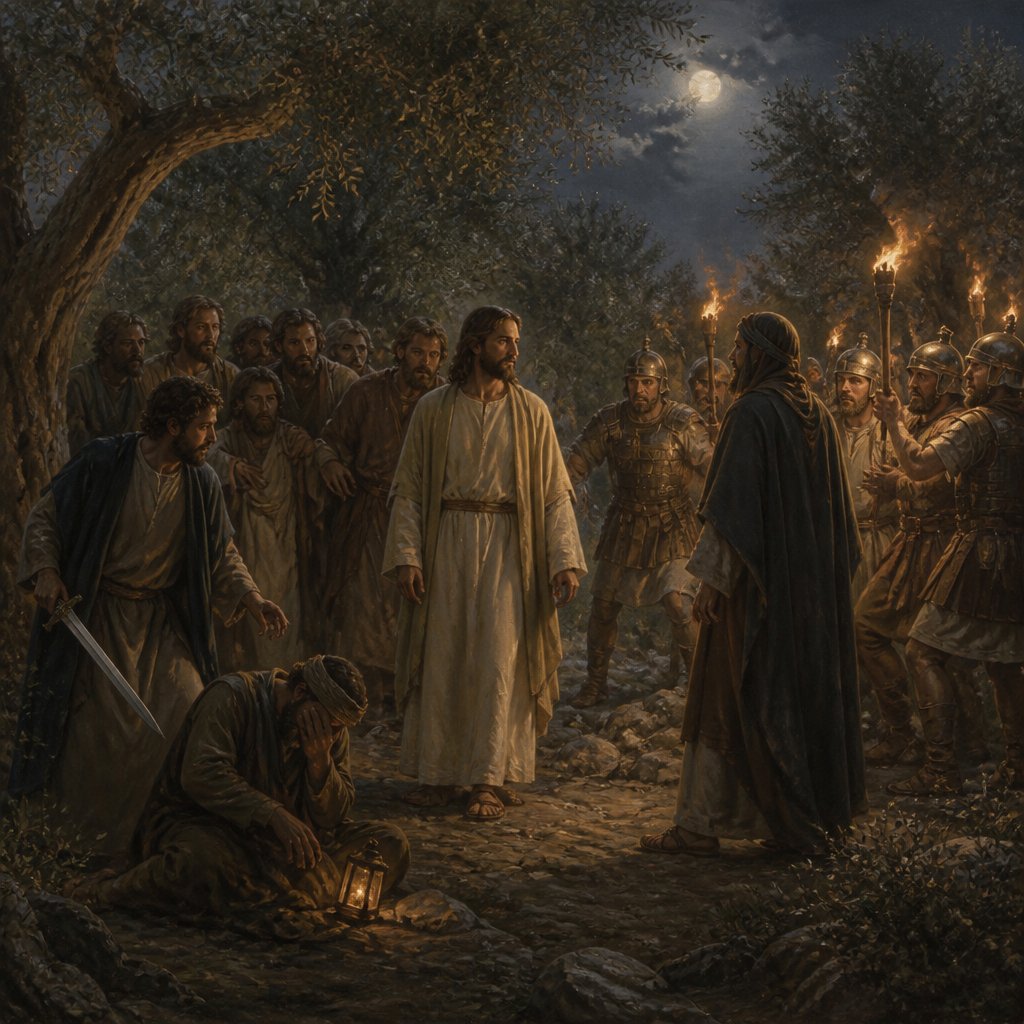
As we delve into John 18:1-11, we witness a poignant moment in the narrative of Jesus’ final hours. The text paints a vivid picture of Jesus in the Garden of Gethsemane, amidst the dark shadows of betrayal and impending sacrifice. The scene is heavy—emotionally charged, layered with theological significance, and a vivid testimony of Jesus' commitment to His mission.
The context begins with Jesus leading His disciples over the brook Cedron, into a place familiar to them—a garden where they often sought refuge. This place symbolizes safety and friendship, yet it turns into a site of betrayal and sorrow. Judas Iscariot, once a trusted disciple, approaches with a band of soldiers, armed for confrontation. The contrast is stark: a place of solitude and prayer transformed into a stage for betrayal.
Judas knew this because Jesus frequented the garden. How painful that must have been; the closeness of the place only adding to the sting of his betrayal. How often do we find ourselves in places that remind us of painful memories, where former friendships have soured or trust has been broken? Yet, even in betrayal, Jesus exemplifies a steadfastness that calls us to look beyond our immediate pain.
As the armed soldiers arrive, we observe the great courage Jesus shows. Knowing all that He must endure, He does not hide nor flee. Instead, He confronts them, asking, "Whom seek ye?" Their answer reveals their intent: "Jesus of Nazareth." And in this moment of impending arrest, Jesus boldly declares, "I am he." The power of those words cannot be overstated; with His declaration, the soldiers fall back, overwhelmed by the authority of Christ's identity.
This moment teaches us about surrender—often seen as weakness but here exemplified as divine authority and strength. Jesus was not simply caught in a situation He could not control; He intentionally embraced His destiny. The passage reminds us that in our moments of turmoil, we can look to Christ as our model for courage in surrender. His surrender was not born from helplessness but from an unwavering commitment to God’s will.
Then we witness the impulsive nature of Peter as he draws his sword, seeking to defend Jesus with violence. In contrast to Jesus, who understood the necessity of suffering, Peter acted from fear and misunderstanding. Jesus, knowing He had to drink from the cup of suffering, rebukes Peter and urges him to sheath his sword, affirming that this is part of the divine plan. This dialogue invites us to consider our responses to the trials we face. Are we quick to react with force, anger, or even despair, rather than seeking God’s will through our suffering?
Jesus' intention to protect His disciples by asking that they be let go echoes His previous promise that He would lose none of those the Father had given Him. This is a reference to the protective love He offers to those who belong to Him. He understands and actively participates in the unfolding of God’s plan. For believers, this offers profound reassurance; our lives are secure in the hands of One who willingly suffered for us.
As we reflect on John 18:1-11, we are invited to embrace the concept of surrender—not as resignation, but as a profound act of trust. In our own lives, we may be called to surrender dreams, relationships, or expectations that do not align with God’s plan. By following Christ's example, we learn that true strength often lies in the willingness to embrace the cup that God places before us. May we find the courage to drink deeply from our own cups, knowing that in surrendering to God's will, we too can experience the fullness of His grace.
Get our apps


Artwork for John 18:1-11
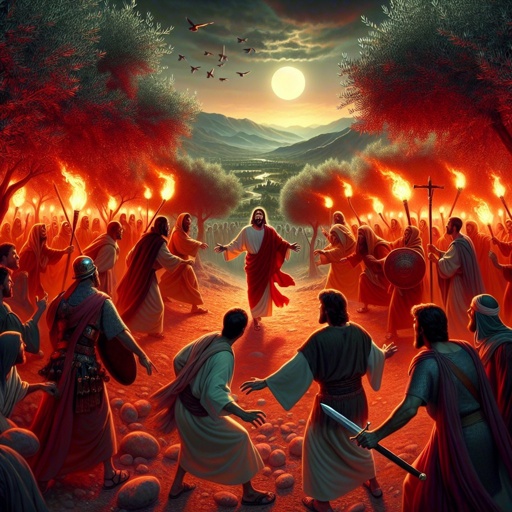
John 18:1-11 - "After saying these things, Jesus crossed the Kidron Valley with his disciples and entered a grove of olive trees. Judas the betrayer knew this place, because Jesus had often gone there with his disciples. The leading priests and Pharisees had given Judas a contingent of Roman soldiers and Temple guards to accompany him. Now with blazing torches, lanterns, and weapons, they arrived at the olive grove. Jesus fully realized all that was going to happen to him, so he stepped forward to meet them. “Who are you looking for?” he asked. “Jesus the Nazarene,” they replied. “I Am he,” Jesus said. (Judas, who betrayed him, was standing with them.) As Jesus said “I Am he,” they all drew back and fell to the ground! Once more he asked them, “Who are you looking for?” And again they replied, “Jesus the Nazarene.” “I told you that I Am he,” Jesus said. “And since I am the one you want, let these others go.” He did this to fulfill his own statement: “I did not lose a single one of those you have given me.” Then Simon Peter drew a sword and slashed off the right ear of Malchus, the high priest’s slave. But Jesus said to Peter, “Put your sword back into its sheath. Shall I not drink from the cup of suffering the Father has given me?”"
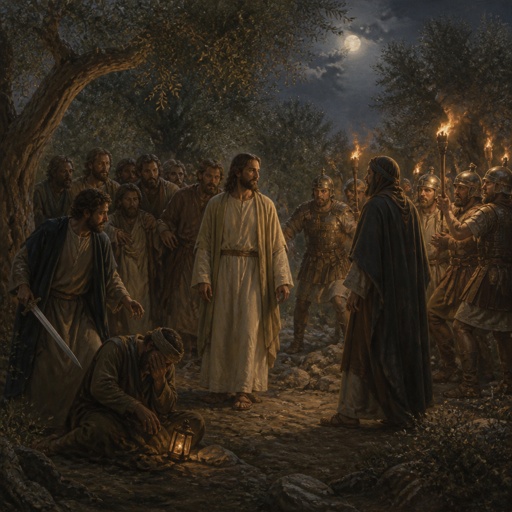
"After saying these things, Jesus crossed the Kidron Valley with his disciples and entered a grove of olive trees. Judas the betrayer knew this place, because Jesus had often gone there with his disciples. The leading priests and Pharisees had given Judas a contingent of Roman soldiers and Temple guards to accompany him. Now with blazing torches, lanterns, and weapons, they arrived at the olive grove. Jesus fully realized all that was going to happen to him, so he stepped forward to meet them. “Who are you looking for?” he asked. “Jesus the Nazarene,” they replied. “I Am he,” Jesus said. (Judas, who betrayed him, was standing with them.) As Jesus said “I Am he,” they all drew back and fell to the ground! Once more he asked them, “Who are you looking for?” And again they replied, “Jesus the Nazarene.” “I told you that I Am he,” Jesus said. “And since I am the one you want, let these others go.” He did this to fulfill his own statement: “I did not lose a single one of those you have given me.” Then Simon Peter drew a sword and slashed off the right ear of Malchus, the high priest’s slave. But Jesus said to Peter, “Put your sword back into its sheath. Shall I not drink from the cup of suffering the Father has given me?”" - John 18:1-11
John 11:18 - "Now Bethany was nigh unto Jerusalem, about fifteen furlongs off:"

Matthew 11:18 - "For John came neither eating nor drinking, and they say, He hath a devil."

1 John 5:18

1 John 4:18

1 John 4:18

John 18:1 - "When Jesus had spoken these words, he went forth with his disciples over the brook Cedron, where was a garden, into the which he entered, and his disciples."

John 18:11 - "Then said Jesus unto Peter, Put up thy sword into the sheath: the cup which my Father hath given me, shall I not drink it?"

Matthew 11:18 For John came neither eating nor drinking, and they say, ‘He has a demon.’
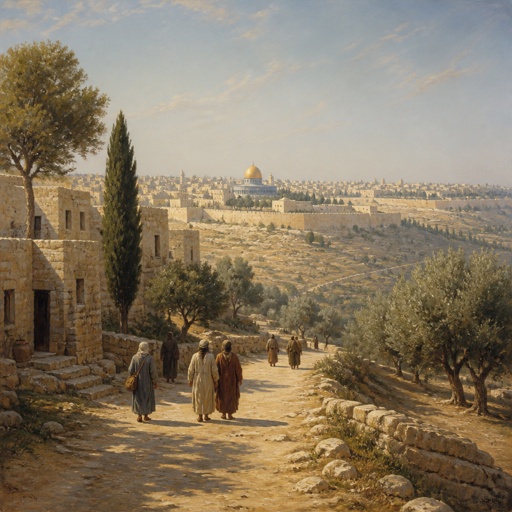
"Now Bethany was nigh unto Jerusalem, about fifteen furlongs off:" - John 11:18

Acts 1:1-11

John 1:11 - "He came unto his own, and his own received him not."

Acts 1:1-11

2 John 1:11 - "For he that biddeth him God speed is partaker of his evil deeds."

1 John 3:18 - "My little children, let us not love in word, neither in tongue; but in deed and in truth."

"For John came neither eating nor drinking, and they say, He hath a devil." - Matthew 11:18

1 John 3:11 - "For this is the message that ye heard from the beginning, that we should love one another."

1 John 5:11 - "And this is the record, that God hath given to us eternal life, and this life is in his Son."

1 John 4:11 - "Beloved, if God so loved us, we ought also to love one another."

John 11:1 - "Now a certain man was sick, named Lazarus, of Bethany, the town of Mary and her sister Martha."
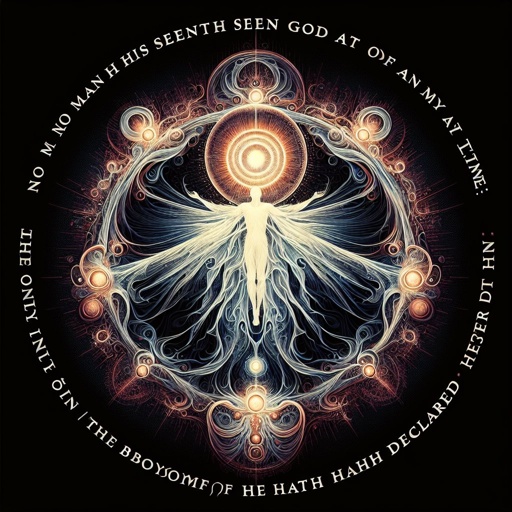
John 1:18 - "No man hath seen God at any time; the only begotten Son, which is in the bosom of the Father, he hath declared him."

1 Kings 18:11 - "And now thou sayest, Go, tell thy lord, Behold, Elijah is here."

1 John 5:18 - "We know that whosoever is born of God sinneth not; but he that is begotten of God keepeth himself, and that wicked one toucheth him not."

1 John 4:18 - "There is no fear in love; but perfect love casteth out fear: because fear hath torment. He that feareth is not made perfect in love."

John 7:17-18

John 7:17-18

Revelation 1:11

Isaiah 11:1

John 7:17-18