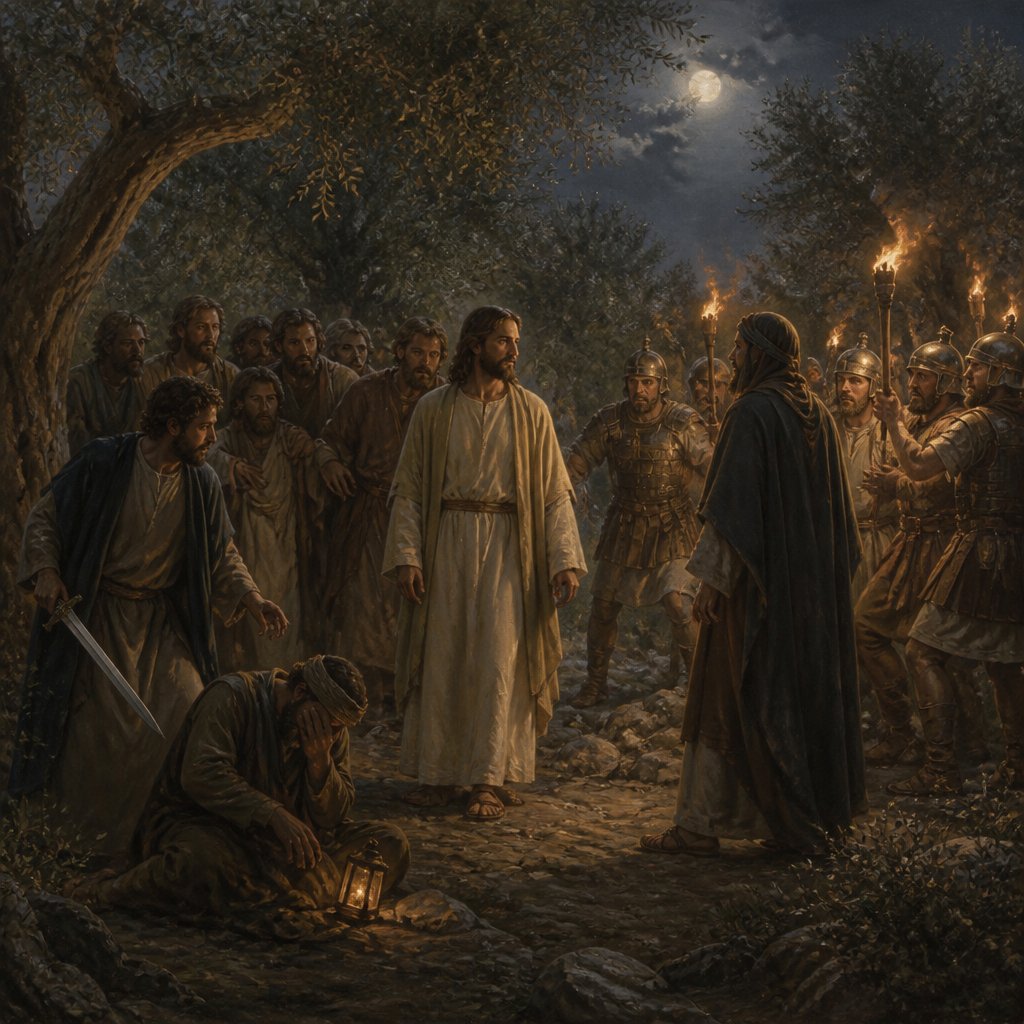
The Bible verse John 18:1-11 from the King James Version (KJV) reads:
"1 When Jesus had spoken these words, he went forth with his disciples over the brook Cedron, where was a garden, into the which he entered, and his disciples.
2 And Judas also, which betrayed him, knew the place: for Jesus ofttimes resorted thither with his disciples.
3 Judas then, having received a band of men and officers from the chief priests and Pharisees, cometh thither with lanterns and torches, and weapons.
4 Jesus therefore, knowing all things that should come upon him, went forth, and said unto them, Whom seek ye?
5 They answered him, Jesus of Nazareth. Jesus saith unto them, I am he. And Judas also, which betrayed him, stood with them.
6 As soon then as he had said unto them, I am he, they went backward, and fell to the ground.
7 Then asked he them again, Whom seek ye? And they said, Jesus of Nazareth.
8 Jesus answered, I have told you that I am he: if therefore ye seek me, let these go their way:
9 That the saying might be fulfilled, which he spake, Of them which thou gavest me have I lost none.
10 Then Simon Peter having a sword drew it, and smote the high priest's servant, and cut off his right ear. The servant's name was Malchus.
11 Then said Jesus unto Peter, Put up thy sword into the sheath: the cup which my Father hath given me, shall I not drink it?"
This passage from the Gospel of John depicts the arrest of Jesus in the Garden of Gethsemane. It is a pivotal moment in the biblical narrative as it marks the beginning of the events that lead to Jesus' crucifixion. The story is rich in symbolism and contains several key themes that are central to Christian theology.
One of the central themes in this passage is the fulfillment of prophecy. Jesus, knowing the events that are about to unfold, willingly surrenders himself to the authorities, fulfilling the prophecies that foretold of his betrayal and arrest. This demonstrates Jesus' obedience to the will of God and his understanding of the larger purpose behind his suffering. This theme of fulfillment of prophecy emphasizes the divine plan at work in Jesus' arrest and eventual crucifixion.
Another important theme in this passage is the contrast between the actions of Judas and Peter. Judas, motivated by greed and betrayal, leads a band of men to arrest Jesus. In contrast, Peter, impulsive and hot-headed, draws his sword and attacks one of the men, cutting off his ear. Jesus responds to Peter's violence by instructing him to put away his sword, illustrating the concept of non-violence and the importance of submitting to God's will. The actions of both Judas and Peter serve as cautionary tales, warning against the dangers of greed and impulsive violence, while also highlighting the human weaknesses that Jesus came to redeem.
Symbolism is also prevalent in this passage, particularly in the actions of Jesus. When the soldiers and officers approach Jesus in the garden, he asks them, "Whom seek ye?" and when they respond that they are looking for Jesus of Nazareth, he simply replies, "I am he." This simple statement causes the soldiers to fall to the ground, demonstrating Jesus' divine power and authority. This moment is a powerful reminder of Jesus' identity as the Son of God and the significance of his sacrifice.
The overarching context of this passage is also significant. It occurs during the events leading up to the crucifixion, a central focal point in Christian theology. Jesus' arrest in the garden is the beginning of his journey towards the cross, where he will ultimately offer himself as a sacrifice for the redemption of humanity. The imagery of the garden is reminiscent of the Garden of Eden, symbolizing the reversal of the effects of the Fall through Jesus' obedience to the Father's will.
In conclusion, John 18:1-11 is a rich and multi-layered passage that carries deep theological significance. It touches on themes of fulfillment of prophecy, obedience to God's will, the consequences of betrayal and impulsive actions, and the symbolism of Jesus' identity and sacrifice. As the narrative unfolds, it sets the stage for the ultimate act of redemption and salvation through Jesus' crucifixion and resurrection, making it a crucial and powerful moment in the biblical story.
Get our apps


Artwork for John 18:1-11
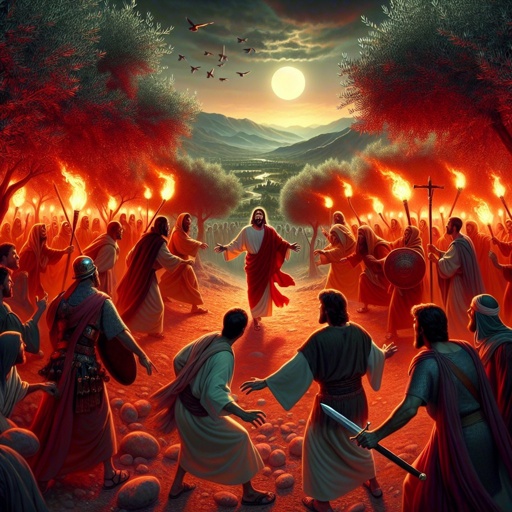
John 18:1-11 - "After saying these things, Jesus crossed the Kidron Valley with his disciples and entered a grove of olive trees. Judas the betrayer knew this place, because Jesus had often gone there with his disciples. The leading priests and Pharisees had given Judas a contingent of Roman soldiers and Temple guards to accompany him. Now with blazing torches, lanterns, and weapons, they arrived at the olive grove. Jesus fully realized all that was going to happen to him, so he stepped forward to meet them. “Who are you looking for?” he asked. “Jesus the Nazarene,” they replied. “I Am he,” Jesus said. (Judas, who betrayed him, was standing with them.) As Jesus said “I Am he,” they all drew back and fell to the ground! Once more he asked them, “Who are you looking for?” And again they replied, “Jesus the Nazarene.” “I told you that I Am he,” Jesus said. “And since I am the one you want, let these others go.” He did this to fulfill his own statement: “I did not lose a single one of those you have given me.” Then Simon Peter drew a sword and slashed off the right ear of Malchus, the high priest’s slave. But Jesus said to Peter, “Put your sword back into its sheath. Shall I not drink from the cup of suffering the Father has given me?”"
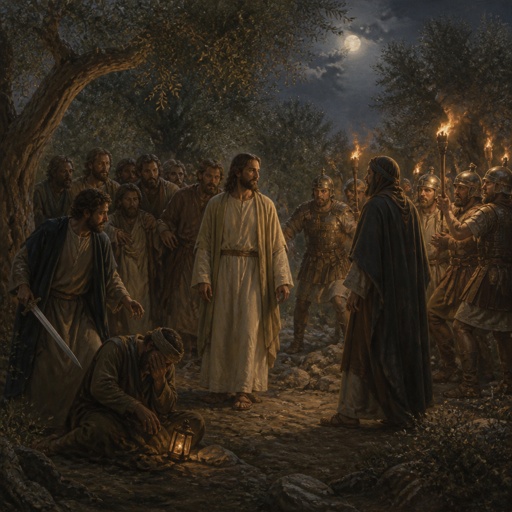
"After saying these things, Jesus crossed the Kidron Valley with his disciples and entered a grove of olive trees. Judas the betrayer knew this place, because Jesus had often gone there with his disciples. The leading priests and Pharisees had given Judas a contingent of Roman soldiers and Temple guards to accompany him. Now with blazing torches, lanterns, and weapons, they arrived at the olive grove. Jesus fully realized all that was going to happen to him, so he stepped forward to meet them. “Who are you looking for?” he asked. “Jesus the Nazarene,” they replied. “I Am he,” Jesus said. (Judas, who betrayed him, was standing with them.) As Jesus said “I Am he,” they all drew back and fell to the ground! Once more he asked them, “Who are you looking for?” And again they replied, “Jesus the Nazarene.” “I told you that I Am he,” Jesus said. “And since I am the one you want, let these others go.” He did this to fulfill his own statement: “I did not lose a single one of those you have given me.” Then Simon Peter drew a sword and slashed off the right ear of Malchus, the high priest’s slave. But Jesus said to Peter, “Put your sword back into its sheath. Shall I not drink from the cup of suffering the Father has given me?”" - John 18:1-11

John 11:18 - "Now Bethany was nigh unto Jerusalem, about fifteen furlongs off:"

Matthew 11:18 - "For John came neither eating nor drinking, and they say, He hath a devil."

1 John 5:18

1 John 4:18

1 John 4:18

John 18:1 - "When Jesus had spoken these words, he went forth with his disciples over the brook Cedron, where was a garden, into the which he entered, and his disciples."

John 18:11 - "Then said Jesus unto Peter, Put up thy sword into the sheath: the cup which my Father hath given me, shall I not drink it?"

Matthew 11:18 For John came neither eating nor drinking, and they say, ‘He has a demon.’
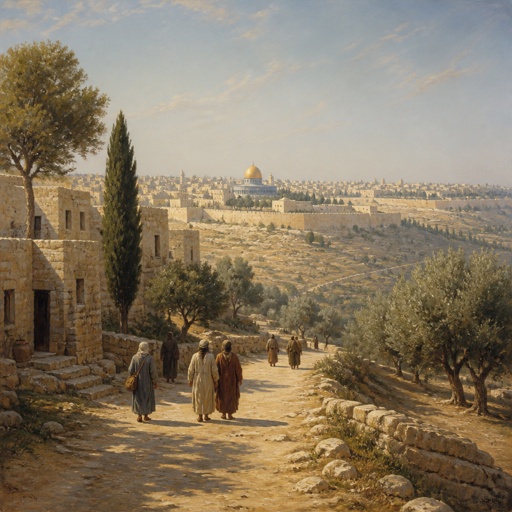
"Now Bethany was nigh unto Jerusalem, about fifteen furlongs off:" - John 11:18

Acts 1:1-11

John 1:11 - "He came unto his own, and his own received him not."

Acts 1:1-11

2 John 1:11 - "For he that biddeth him God speed is partaker of his evil deeds."

1 John 3:18 - "My little children, let us not love in word, neither in tongue; but in deed and in truth."

"For John came neither eating nor drinking, and they say, He hath a devil." - Matthew 11:18

1 John 3:11 - "For this is the message that ye heard from the beginning, that we should love one another."

1 John 5:11 - "And this is the record, that God hath given to us eternal life, and this life is in his Son."

1 John 4:11 - "Beloved, if God so loved us, we ought also to love one another."

John 11:1 - "Now a certain man was sick, named Lazarus, of Bethany, the town of Mary and her sister Martha."
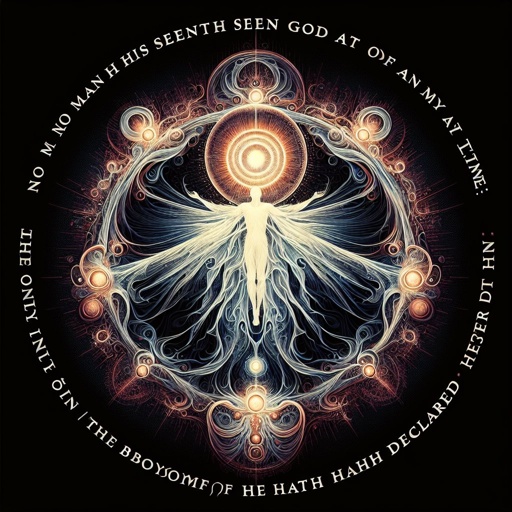
John 1:18 - "No man hath seen God at any time; the only begotten Son, which is in the bosom of the Father, he hath declared him."

1 Kings 18:11 - "And now thou sayest, Go, tell thy lord, Behold, Elijah is here."

1 John 5:18 - "We know that whosoever is born of God sinneth not; but he that is begotten of God keepeth himself, and that wicked one toucheth him not."

1 John 4:18 - "There is no fear in love; but perfect love casteth out fear: because fear hath torment. He that feareth is not made perfect in love."

John 7:17-18

John 7:17-18

Revelation 1:11

Isaiah 11:1

John 7:17-18