Judgment in the Hands of the Son
“For the Father judgeth no man, but hath committed all judgment unto the Son:” — John 5:22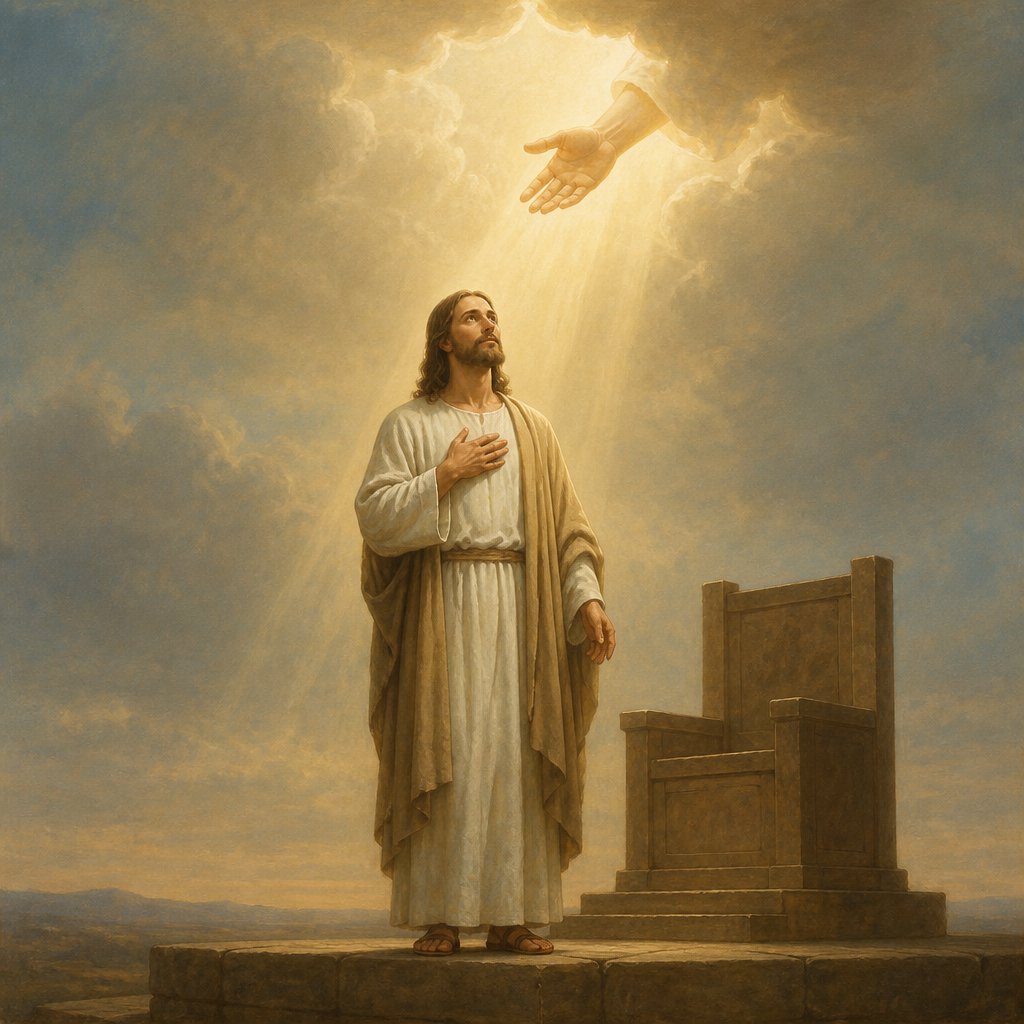
In John 5:22, we find a profound statement from our Lord Jesus Christ which holds significant theological implications: "For the Father judgeth no man, but hath committed all judgment unto the Son." This verse opens a window into the nature of divine judgment, the relationship between the Father and the Son, and the implications for our lives as believers.
At first glance, this verse may prompt us to reflect on the justice of God. Judgment is often seen in a negative light; it is associated with condemnation and the finality of punishment. However, when we consider the identity of the Judge—Christ Himself—we begin to unravel a greater understanding of what judgment means in the context of God's love and mercy.
The statement that the Father “judgeth no man” underscores a significant truth: the Son of God is the appointed arbiter of justice. This distinction is essential in understanding both the character of God and the role of Jesus in the divine plan. Throughout scripture, we see God described as loving and merciful, desiring that none should perish, but have everlasting life (2 Peter 3:9). In designating judgment to the Son, we are to see not a removal of justice but rather the embodiment of justice through Christ who is full of grace and truth (John 1:14).
In the context of Jesus’ ministry, we see Him reaching out to those marginalized by society, offering forgiveness to sinners, and healing the brokenhearted. This loving approach to judgment reflects God’s heart. The Son, as the judge, is infused with compassion and understanding. He knows what it is to walk among humanity and struggles of life, having faced temptation and suffering. Thus, the judgment that comes through Him is not capricious or harsh; it is founded upon a perfect understanding of human frailty.
Moreover, this verse signifies a shift in the judgment narrative: where once judgment was thought of only in terms of the Father’s authority, Jesus invites us to see Him as the instrument of God’s judgment. This understanding leads us to consider the implications for our lives as believers. If all judgment has been entrusted to the Son, the question we must ask ourselves is: How do we relate to Christ in the light of this truth?
The passage invites introspection on our relationship with the Judge. Do we see Christ merely as a savior, or do we also recognize Him as the ultimate authority in our lives? As we navigate the complexities of our faith, we must remember that Jesus possesses the authority to judge our deeds, our intentions, and our hearts. The implication is not just for the end times at the final judgment, but for our daily walk with Him. Every choice we make and every action we take comes under His scrutiny. Therefore, our desire should be to live in a manner that reflects His holiness and righteousness.
Additionally, this verse prompts us to consider others’ view of judgment. As Christians, we must strive to mirror Christ’s model of grace and love while maintaining the integrity of truth. The world often critiques the church for being judgmental, failing to reflect the compassion that Jesus embodies. When we remember that all judgment rests with the Son, we ought to extend the same grace that we have received, sharing the hope of salvation through Jesus rather than condemnation.
In conclusion, John 5:22 serves as a reminder of both the authority of Christ and the grace that comes through Him. In embracing this duality, we find ourselves called to live righteously, to love deeply, and to judge others with the same love and mercy extended to us. May we continually seek to understand and embody the grace of our Lord, recognizing Him as both Savior and Judge, walking with Him as we await the day of His eternal judgment, which will ultimate reveal the perfect justice of God.
Get our apps


Artwork for John 5:22

John 5:22 - "For the Father judgeth no man, but hath committed all judgment unto the Son:"
"For the Father judgeth no man, but hath committed all judgment unto the Son:" - John 5:22

John 10:22 - "¶ And it was at Jerusalem the feast of the dedication, and it was winter."

John 15:5

John 5:2

John 15:5

John 5:33 - "Ye sent unto John, and he bare witness unto the truth."

John 5:5 - "And a certain man was there, which had an infirmity thirty and eight years."

John 5:28

John 5:28

John 5:28

John 13:22 - "Then the disciples looked one on another, doubting of whom he spake."

1 John 5:5 - "Who is he that overcometh the world, but he that believeth that Jesus is the Son of God?"

Genesis 22-5

Exodus 22:5

Exodus 22:5

Exodus 22:5

John 3:5-8

John 1:1-5

John 1:1-5

John 3:5-8

John 19:22 - "Pilate answered, What I have written I have written."

John 12:22 - "Philip cometh and telleth Andrew: and again Andrew and Philip tell Jesus."

1 John 5:18

John 3:5-8

Galatians 5:22-23

Galatians 5:22-23

Galatians 5:22-23

"¶ And it was at Jerusalem the feast of the dedication, and it was winter." - John 10:22

Galatians 5:22-23