What does John 5:22 mean?
“For the Father judgeth no man, but hath committed all judgment unto the Son:” — John 5:22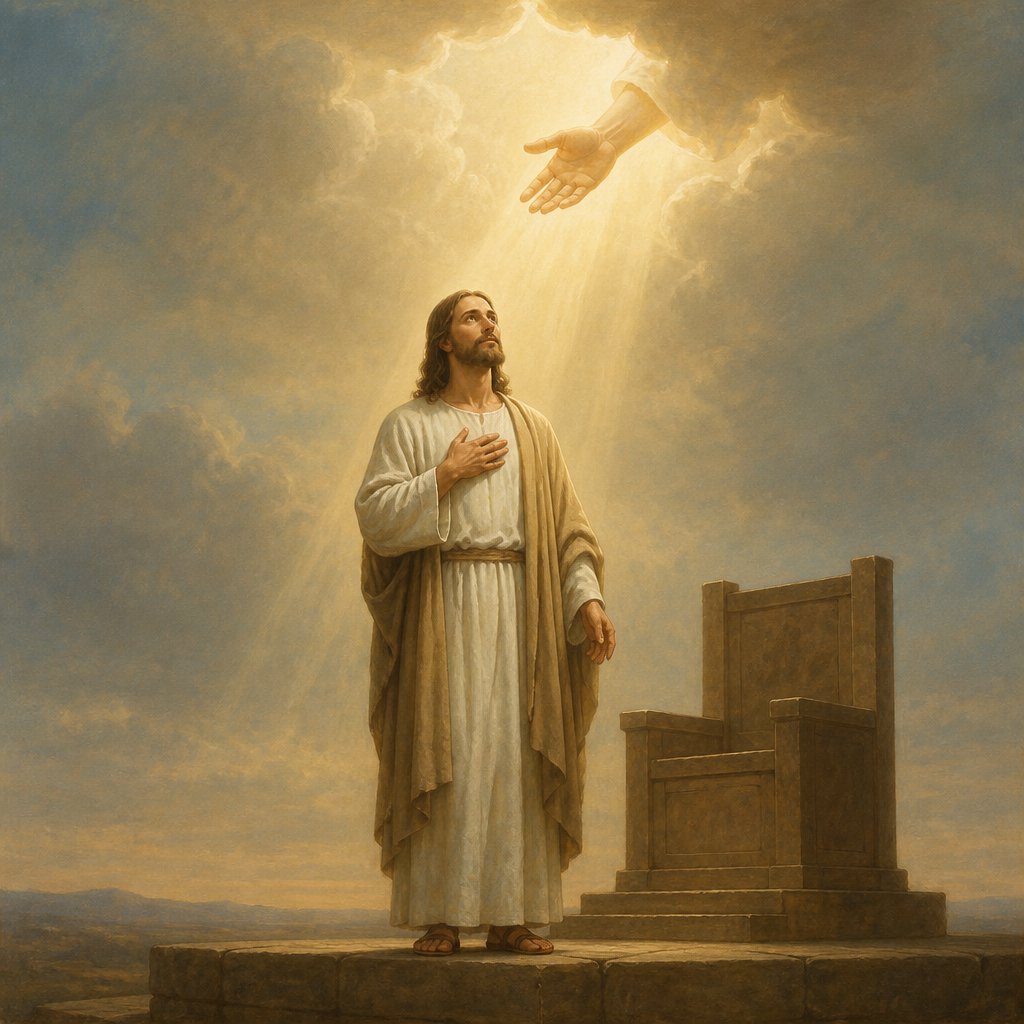
John 5:22 (KJV) reads, "For the Father judgeth no man, but hath committed all judgment unto the Son." This verse is part of a larger passage in the Gospel of John, where Jesus is speaking to the Jewish leaders about his authority and relationship with God. This verse specifically addresses the delegation of judgment to the Son by the Father, highlighting Jesus' role as both the Son of God and the ultimate authority in matters of judgment.
The overarching theme of this verse is the divine authority of Jesus as the Son of God. In the preceding verses, Jesus declares that he can do nothing of his own accord, but only what he sees the Father doing (John 5:19). This statement emphasizes the unity and harmony between the Father and the Son, as well as the authority that Jesus has received from the Father to act on his behalf. In verse 22, this authority is further emphasized as Jesus asserts that the Father has entrusted all judgment to the Son. This reveals Jesus' role as the ultimate judge of humanity, a theme that is also reiterated in other parts of the New Testament, such as in Acts 10:42 and 2 Timothy 4:1.
The context of this verse is important to fully understand its significance. The passage in which it is found is set during a time when Jesus is healing a man on the Sabbath, which angers the Jewish leaders who accuse him of breaking the Sabbath and making himself equal to God. In response, Jesus speaks of his relationship with the Father and his authority to act on God's behalf. By stating that the Father has committed all judgment to the Son, Jesus is effectively claiming to have the authority to judge humanity, a role that is traditionally reserved for God alone. This assertion would have been seen as blasphemous by the Jewish leaders, as it challenges their understanding of God's authority and the hierarchical structure of the divine.
Symbolically, the delegation of judgment to the Son represents a key aspect of Jesus' divine identity. By asserting his authority as the ultimate judge, Jesus positions himself as the one who has the power to determine the fate of humanity. This reflects the broader Christian belief in Jesus as the savior and redeemer of humanity, who will ultimately judge all people at the end of time.
Furthermore, this verse also highlights the unity and harmony between the Father and the Son. In entrusting judgment to the Son, the Father demonstrates complete trust and confidence in Jesus' ability to carry out this role. This unity of purpose between the Father and the Son is a recurring theme in the Gospel of John, where Jesus repeatedly speaks of his close relationship with the Father and his obedience to God's will.
In conclusion, John 5:22 (KJV) is a pivotal verse that underscores Jesus' divine authority as the ultimate judge of humanity. By entrusting all judgment to the Son, the Father demonstrates the unity and harmony between them, as well as the confidence in Jesus' ability to fulfill this crucial role. This verse is rich in theological significance and serves as a powerful declaration of Jesus' divine identity and his central role in the Christian faith.
Get our apps


Artwork for John 5:22

John 5:22 - "For the Father judgeth no man, but hath committed all judgment unto the Son:"
"For the Father judgeth no man, but hath committed all judgment unto the Son:" - John 5:22

John 10:22 - "¶ And it was at Jerusalem the feast of the dedication, and it was winter."

John 15:5

John 5:2

John 15:5

John 5:33 - "Ye sent unto John, and he bare witness unto the truth."

John 5:5 - "And a certain man was there, which had an infirmity thirty and eight years."

John 5:28

John 5:28

John 5:28

John 13:22 - "Then the disciples looked one on another, doubting of whom he spake."

1 John 5:5 - "Who is he that overcometh the world, but he that believeth that Jesus is the Son of God?"

Genesis 22-5

Exodus 22:5

Exodus 22:5

Exodus 22:5

John 3:5-8

John 1:1-5

John 1:1-5

John 3:5-8

John 19:22 - "Pilate answered, What I have written I have written."

John 12:22 - "Philip cometh and telleth Andrew: and again Andrew and Philip tell Jesus."

1 John 5:18

John 3:5-8

Galatians 5:22-23

Galatians 5:22-23

Galatians 5:22-23
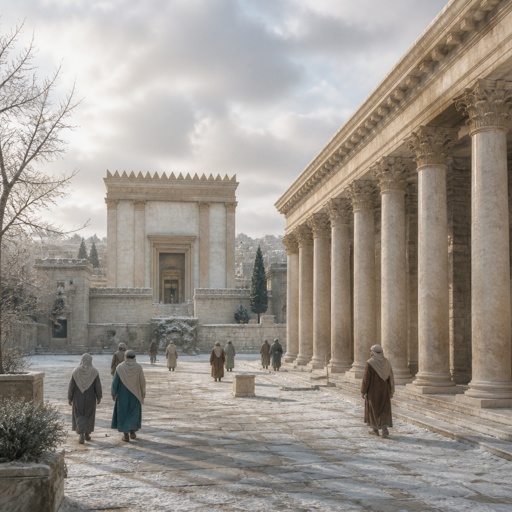
"¶ And it was at Jerusalem the feast of the dedication, and it was winter." - John 10:22

Galatians 5:22-23