The Mount of Olives: A Place of Solitude and Revelation
“Jesus went unto the mount of Olives.” — John 8:1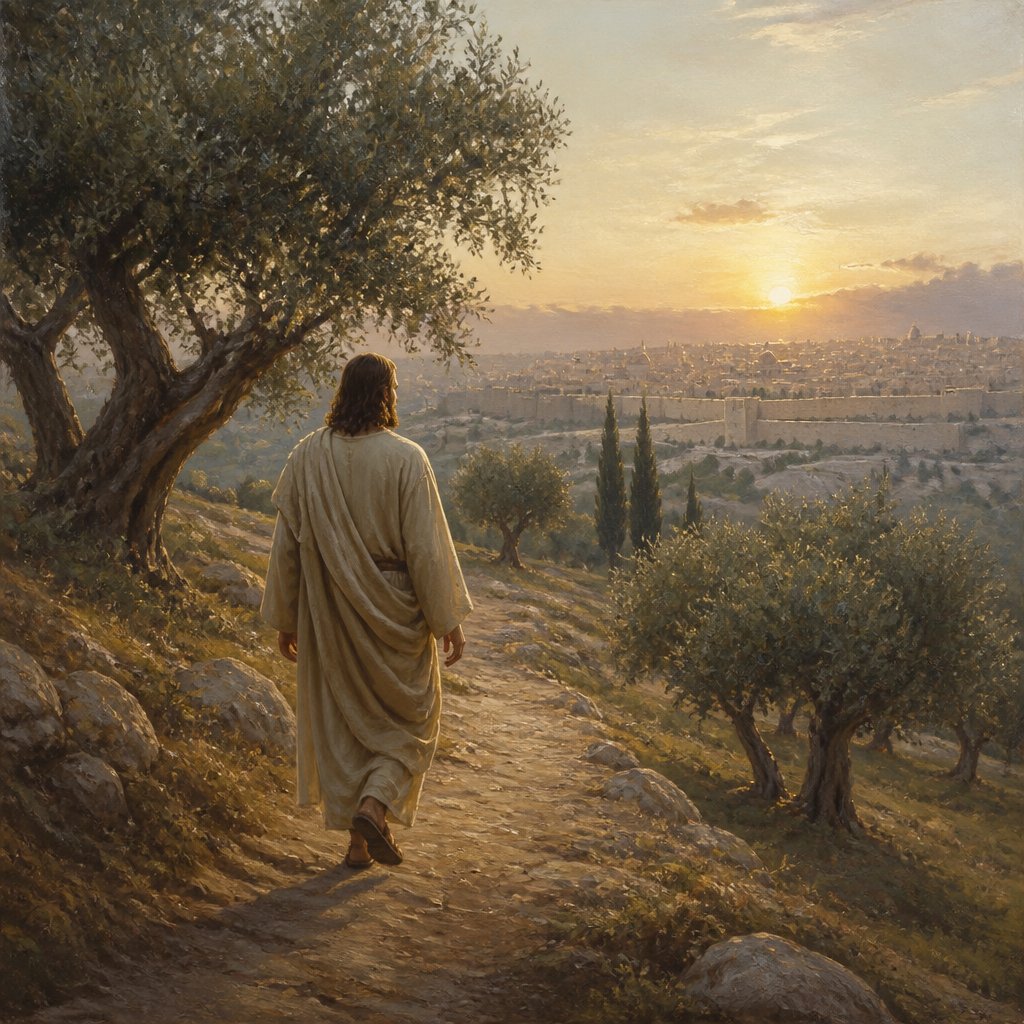
John 8:1 states, "Jesus went unto the mount of Olives." While seemingly simple, this verse is rich with significance and invites us into a deeper exploration of what the Mount of Olives represents in the life of Jesus and for us today as followers of Christ.
The Mount of Olives is situated just east of Jerusalem, standing as a natural boundary between the sacred city and the wilderness. The name itself garners images of serenity, olive orchards, and a space where one can retreat and connect with God. For Jesus, this mountain was not only a geographical location but also a spiritual sanctuary where He often sought solitude amid the noise and chaos of ministry.
**A Place of Solitude**
In the midst of His ministry, filled with miracles, teachings, and compassionate acts, Jesus continuously sought quiet places to retreat. The Mount of Olives served as a refuge where He could pray, reflect, and recharge in His relationship with the Father. This illustrates the importance of having personal time with God.
In our fast-paced world, solitude can be hard to come by. We live in an era saturated with distractions—phones, social media, busy schedules—and many of us fill our days with noise. Yet, the example set by Jesus beckons us to find our own 'mountain' where we can escape the clamor of life. Consider carving out time each day to find a quiet space where you, too, can connect with God. It is there, in that sacred quiet, that you will often hear the soft whisper of His guidance and love.
**A Place of Prayer**
The Mount of Olives is not just where Jesus went to unwind; it’s where He communed with God in prayer, particularly before His crucifixion (Matthew 26:36). It's here that Jesus expressed His deepest sorrows and struggles, pouring out His heart to the Father. In this sacred space, He surrendered His desires, exemplifying the essence of true prayer.
Prayer is not merely a monologue; it is a dialogue with God. It’s an opportunity to express our burdens, seek guidance, and listen for His direction. The Mount of Olives encourages us to embrace prayer as a means of establishing a profound relationship with our Creator. We emerge from our time spent in prayer rejuvenated, with a clearer understanding of our path ahead.
**A Place of Revelation**
The Mount of Olives carries significant prophetic weight; it is mentioned throughout the scriptures, including Zechariah 14:4, in contexts pointing toward future revelation and God’s eventual reign. In Jesus’ visit to this historic site, we not only see His connection to Jewish prophecy but also recognize the unfolding of God's salvation story.
When we find ourselves facing uncertainty or anxiety about our lives or the world around us, we can turn to the scripture and recognize that just as Jesus would come to the Mount of Olives for revelation, God desires to reveal His plans for us as well. Seeking His wisdom through prayer and meditation on His Word can lead to profound insights into our journey. As we do so, we can expect to uncover God's promises and purposes, much like how Jesus would have experienced divine revelation atop the Mount.
**Conclusion**
As we consider the profound act of Jesus going unto the Mount of Olives, let us be encouraged to seek our own mountains—places where we can retreat into solitude, engage in meaningful prayer, and receive revelation that strengthens our faith. In those moments, we can cultivate a deeper intimacy with God, drawing closer to His heart and purpose for our lives. Let’s make it our aim to be intentional in building these sacred spaces into our lives, following the everlasting example of our Savior.
Get our apps


Artwork for John 8:1

John 8:1 - "Jesus went unto the mount of Olives."

"Jesus went unto the mount of Olives." - John 8:1

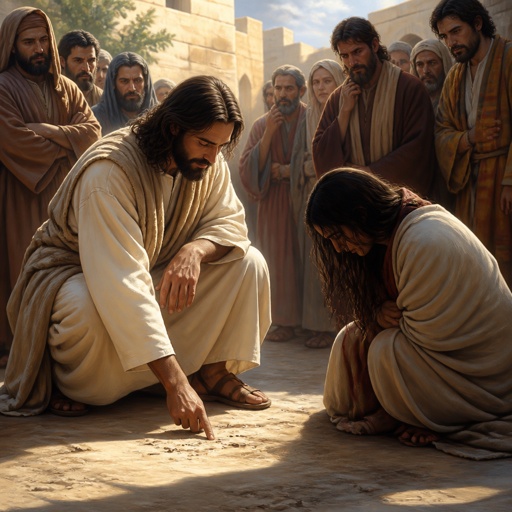
John 8:1-11 - "But Jesus went to the Mount of Olives. Early in the morning he came again to the temple. All the people came to him, and he sat down and taught them. The scribes and the Pharisees brought a woman who had been caught in adultery, and placing her in the midst they said to him, “Teacher, this woman has been caught in the act of adultery. Now in the Law Moses commanded us to stone such women. So what do you say?” This they said to test him, that they might have some charge to bring against him. Jesus bent down and wrote with his finger on the ground. And as they continued to ask him, he stood up and said to them, “Let him who is without sin among you be the first to throw a stone at her.” And once more he bent down and wrote on the ground. But when they heard it, they went away one by one, beginning with the older ones, and Jesus was left alone with the woman standing before him. Jesus stood up and said to her, “Woman, where are they? Has no one condemned you?” She said, “No one, Lord.” And Jesus said, “Neither do I condemn you; go, and from now on sin no more.”"
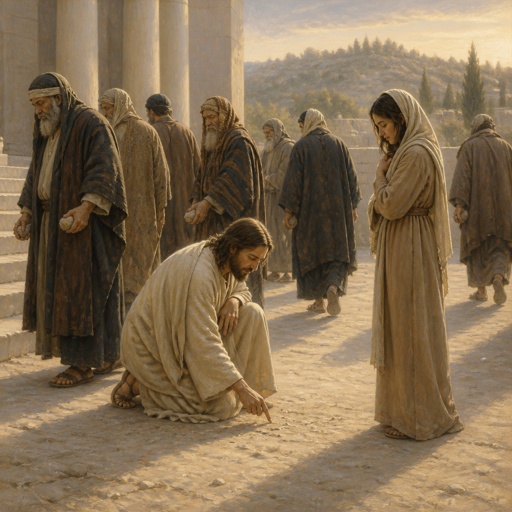
"But Jesus went to the Mount of Olives. Early in the morning he came again to the temple. All the people came to him, and he sat down and taught them. The scribes and the Pharisees brought a woman who had been caught in adultery, and placing her in the midst they said to him, “Teacher, this woman has been caught in the act of adultery. Now in the Law Moses commanded us to stone such women. So what do you say?” This they said to test him, that they might have some charge to bring against him. Jesus bent down and wrote with his finger on the ground. And as they continued to ask him, he stood up and said to them, “Let him who is without sin among you be the first to throw a stone at her.” And once more he bent down and wrote on the ground. But when they heard it, they went away one by one, beginning with the older ones, and Jesus was left alone with the woman standing before him. Jesus stood up and said to her, “Woman, where are they? Has no one condemned you?” She said, “No one, Lord.” And Jesus said, “Neither do I condemn you; go, and from now on sin no more.”" - John 8:1-11

John 15:1-8

John 3:3-8

John 1:8 - "He was not that Light, but was sent to bear witness of that Light."

1 John 1:8 - "If we say that we have no sin, we deceive ourselves, and the truth is not in us."

1 John 4:8 - "He that loveth not knoweth not God; for God is love."

3 John 1:8 - "We therefore ought to receive such, that we might be fellowhelpers to the truth."

1 John 5:8 - "And there are three that bear witness in earth, the Spirit, and the water, and the blood: and these three agree in one."

"He was not that Light, but was sent to bear witness of that Light." - John 1:8

2 John 1:8 - "Look to yourselves, that we lose not those things which we have wrought, but that we receive a full reward."

"He that loveth not knoweth not God; for God is love." - 1 John 4:8

John 8
John 8

John 8:44

1 John 3:8 - "He that committeth sin is of the devil; for the devil sinneth from the beginning. For this purpose the Son of God was manifested, that he might destroy the works of the devil."

John 8:44

John 8:44

"If we say that we have no sin, we deceive ourselves, and the truth is not in us." - 1 John 1:8

John 8:8 - "And again he stooped down, and wrote on the ground."

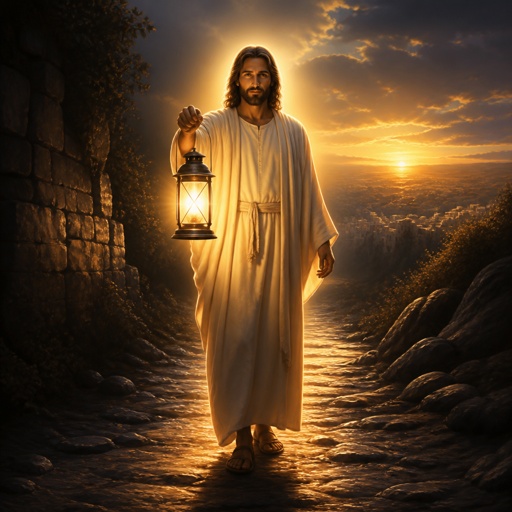
1 John 2:8 - "Again, a new commandment I write unto you, which thing is true in him and in you: because the darkness is past, and the true light now shineth."

John 8:12

"We therefore ought to receive such, that we might be fellowhelpers to the truth." - 3 John 1:8
John 8:12

John 8:12

John 8:12

John 8:12

"Beloved, let us love one another, for love is from God, and whoever loves has been born of God and knows God. Anyone who does not love does not know God, because God is love." - 1 John 4:7-8