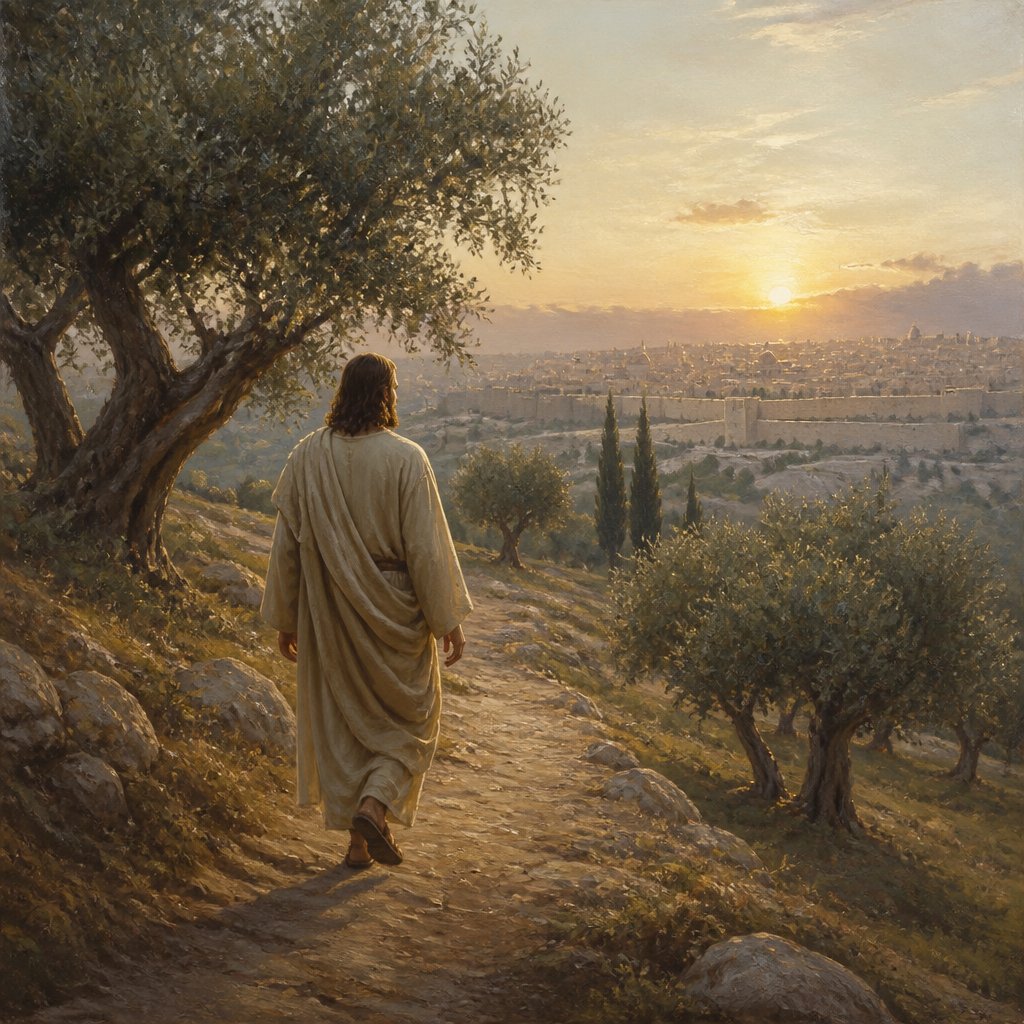
John 8:1 in the King James Version of the Bible reads: "Jesus went unto the mount of Olives." Although this is a short and seemingly straightforward verse, there are many layers of meaning and significance that can be explored.
First, it is important to understand the context in which this verse appears. The Gospel of John is one of the four canonical gospels in the New Testament, and it is believed to have been written by the Apostle John. The gospel is unique in its portrayal of Jesus and contains several significant stories and teachings.
John 8:1 is the beginning of a larger narrative that unfolds in the following verses. The chapter as a whole focuses on the story of the adulterous woman, in which a group of Pharisees and scribes brings a woman caught in the act of adultery before Jesus, testing him to see if he will uphold the Mosaic Law, which dictates that adulterers should be stoned to death. This passage is rich with themes of sin, judgment, and forgiveness.
The verse "Jesus went unto the mount of Olives" serves as the setting for the events that follow. The Mount of Olives is significant in Christian tradition as the site of several important events in the life of Jesus, including his ascension into heaven and his prayers before his crucifixion. In this context, the Mount of Olives can be seen as a place of spiritual significance and a symbol of Jesus' divine authority and connection to God.
This verse also sets the stage for the conflict and tension that will unfold in the following verses. The Pharisees and scribes who bring the adulterous woman to Jesus are seeking to test him and trap him in a dilemma. They are looking for an opportunity to accuse him of violating the Mosaic Law or undermining Roman authority. The Mount of Olives, then, becomes a symbolic battleground where the forces of judgment and mercy, legalism and grace, will clash.
In a broader theological context, the Mount of Olives holds additional significance. It is associated with prophecy and eschatology, particularly in Christian beliefs about the end times and the second coming of Christ. In the Gospel of Matthew, Jesus delivers his Olivet Discourse on the Mount of Olives, in which he speaks about the signs of the end times and his future return in glory.
In addition to its historical and theological significance, the Mount of Olives also carries symbolic weight in the narrative of the adulterous woman. It serves as a backdrop for the moral and ethical dilemma that Jesus faces. The Mount of Olives becomes a place of contemplation and decision-making for Jesus, as he navigates the complex issues of sin, judgment, and mercy.
Ultimately, John 8:1 sets the stage for a powerful and moving story that explores deep moral and spiritual themes. The Mount of Olives serves as a rich and multi-layered symbol, representing both the historical and theological significance of the location, as well as the moral and ethical dilemmas that unfold in the narrative. As readers engage with this verse and the larger story it introduces, they are invited to reflect on questions of sin and forgiveness, judgment and mercy, and the profound moral and spiritual teachings of Jesus.
Get our apps


Artwork for John 8:1

John 8:1 - "Jesus went unto the mount of Olives."

"Jesus went unto the mount of Olives." - John 8:1

John 8:1-11 - "But Jesus went to the Mount of Olives. Early in the morning he came again to the temple. All the people came to him, and he sat down and taught them. The scribes and the Pharisees brought a woman who had been caught in adultery, and placing her in the midst they said to him, “Teacher, this woman has been caught in the act of adultery. Now in the Law Moses commanded us to stone such women. So what do you say?” This they said to test him, that they might have some charge to bring against him. Jesus bent down and wrote with his finger on the ground. And as they continued to ask him, he stood up and said to them, “Let him who is without sin among you be the first to throw a stone at her.” And once more he bent down and wrote on the ground. But when they heard it, they went away one by one, beginning with the older ones, and Jesus was left alone with the woman standing before him. Jesus stood up and said to her, “Woman, where are they? Has no one condemned you?” She said, “No one, Lord.” And Jesus said, “Neither do I condemn you; go, and from now on sin no more.”"
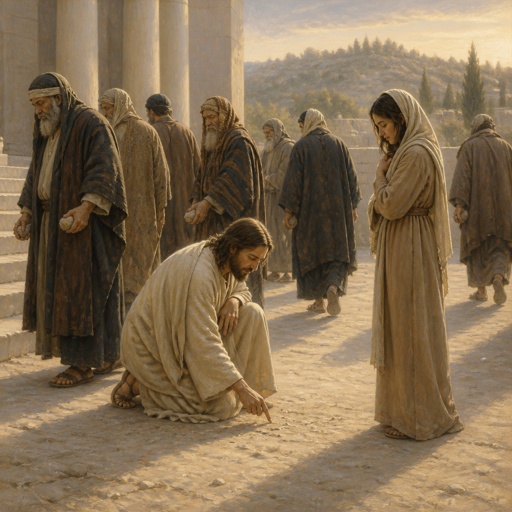
"But Jesus went to the Mount of Olives. Early in the morning he came again to the temple. All the people came to him, and he sat down and taught them. The scribes and the Pharisees brought a woman who had been caught in adultery, and placing her in the midst they said to him, “Teacher, this woman has been caught in the act of adultery. Now in the Law Moses commanded us to stone such women. So what do you say?” This they said to test him, that they might have some charge to bring against him. Jesus bent down and wrote with his finger on the ground. And as they continued to ask him, he stood up and said to them, “Let him who is without sin among you be the first to throw a stone at her.” And once more he bent down and wrote on the ground. But when they heard it, they went away one by one, beginning with the older ones, and Jesus was left alone with the woman standing before him. Jesus stood up and said to her, “Woman, where are they? Has no one condemned you?” She said, “No one, Lord.” And Jesus said, “Neither do I condemn you; go, and from now on sin no more.”" - John 8:1-11

John 15:1-8

John 3:3-8

John 1:8 - "He was not that Light, but was sent to bear witness of that Light."

1 John 1:8 - "If we say that we have no sin, we deceive ourselves, and the truth is not in us."

1 John 4:8 - "He that loveth not knoweth not God; for God is love."

3 John 1:8 - "We therefore ought to receive such, that we might be fellowhelpers to the truth."

1 John 5:8 - "And there are three that bear witness in earth, the Spirit, and the water, and the blood: and these three agree in one."

"He was not that Light, but was sent to bear witness of that Light." - John 1:8

2 John 1:8 - "Look to yourselves, that we lose not those things which we have wrought, but that we receive a full reward."

"He that loveth not knoweth not God; for God is love." - 1 John 4:8

John 8
John 8

John 8:44

1 John 3:8 - "He that committeth sin is of the devil; for the devil sinneth from the beginning. For this purpose the Son of God was manifested, that he might destroy the works of the devil."

John 8:44

John 8:44

"If we say that we have no sin, we deceive ourselves, and the truth is not in us." - 1 John 1:8

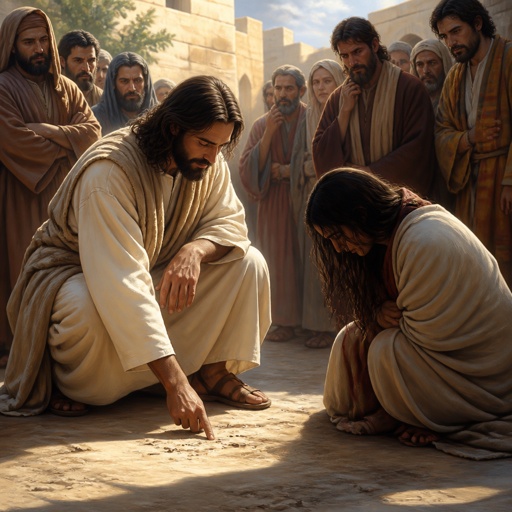
John 8:8 - "And again he stooped down, and wrote on the ground."

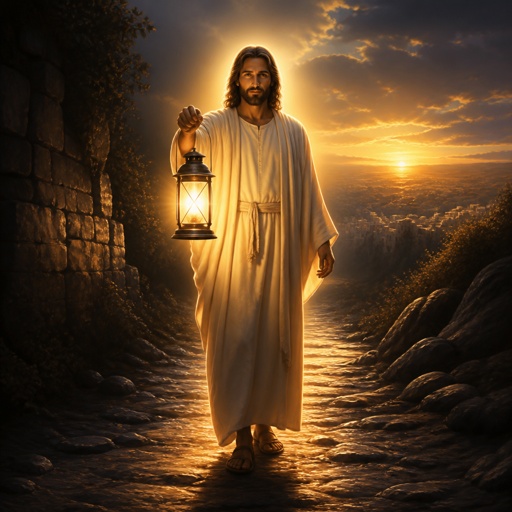
1 John 2:8 - "Again, a new commandment I write unto you, which thing is true in him and in you: because the darkness is past, and the true light now shineth."

John 8:12

"We therefore ought to receive such, that we might be fellowhelpers to the truth." - 3 John 1:8
John 8:12

John 8:12

John 8:12

John 8:12

"Beloved, let us love one another, for love is from God, and whoever loves has been born of God and knows God. Anyone who does not love does not know God, because God is love." - 1 John 4:7-8