A Song of Victory: Singing Praise in Times of Challenge
“Hear, O ye kings; give ear, O ye princes; I, even I, will sing unto the LORD; I will sing praise to the LORD God of Israel.” — Judges 5:3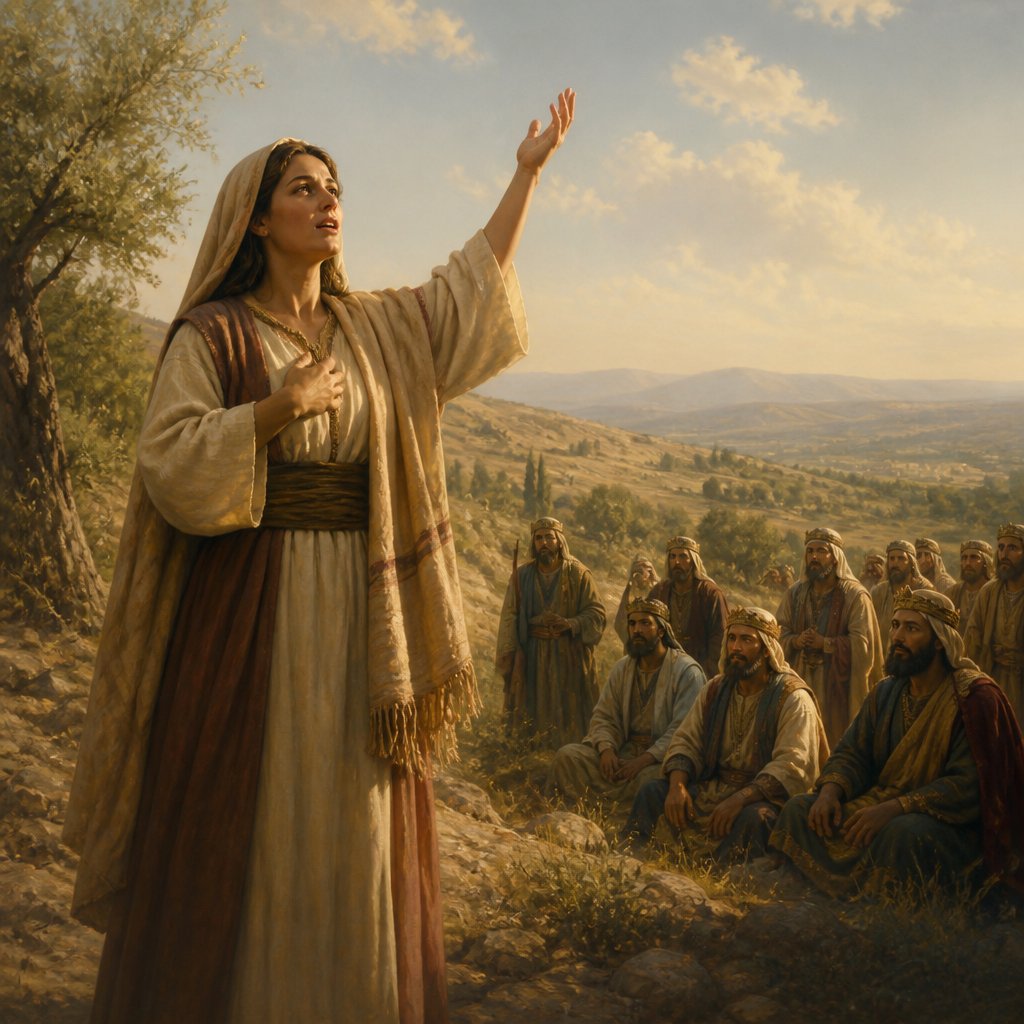
In Judges 5:3, we encounter a powerful proclamation: “Hear, O ye kings; give ear, O ye princes; I, even I, will sing unto the LORD; I will sing praise to the LORD God of Israel.” This verse is part of the song of Deborah and Barak, celebrated after a momentous victory over the Canaanite army. It is a call to attention, not just to the rulers of the nations, but to every listener to recognize the sovereignty and glory of God in both triumph and trial.
To approach this verse, we must first understand the context of its proclamation. The Book of Judges reveals a tumultuous time for Israel, marked by cycles of sin, oppression, and deliverance. Deborah, a prophetess and judge, arose in a time when Israel was being oppressed by Jabin, the king of Canaan. When God empowered Barak to lead the army against Sisera, the commander of Jabin's forces, it was a pivotal moment, not just for the military defeat, but for the spiritual renewal of the Israelites.
In declaring, “Hear, O ye kings; give ear, O ye princes,” Deborah is not merely calling upon earthly rulers to listen; she is inviting all of creation into a posture of reverence and recognition of the Lord's might. This is a reminder that God’s authority transcends earthly thrones. Whether one is a king, a leader, or even a humble servant, we are all subject to the sovereign rule of the Lord who created the heavens and the earth.
When she subsequently declares, “I, even I, will sing unto the LORD,” Deborah asserts the power of personal testimony through praise. Singing is an act of joy, expression, and declaration; it transforms the atmosphere. In moments of despair, singing can become a weapon of hope and resilience. In the face of overwhelming odds, Deborah chooses to sing, acknowledging that the battle is ultimately the Lord’s. How often do we find ourselves in circumstances that seem insurmountable, yet we are reminded that our praise has the ability to shift our perspective from our problems to our Provider?
Moreover, by stating, “I will sing praise to the LORD God of Israel,” she highlights the personal relationship between God and His people. Deborah's song is not just a ritualistic performance; it comes from an intimate understanding of who God is. He is not a distant deity but the God of Israel, who was present in their past deliverances and will be present in their current trials. This acknowledgment of God’s faithfulness paves the way for a deeper trust in His promises. As believers today, we too must draw upon our histories with God, recognizing the ways He has delivered and sustained us throughout our lives.
As we reflect upon Deborah's song, it serves as a profound reminder of the importance of worship in our lives, particularly in times of uncertainty. It encourages us to be diligent in our praise, whether in times of joy or despair. Worship is not merely a response to our circumstances; it is a declaration of who God is, reminding both ourselves and those around us of His sovereign nature.
Let us also take note of the audience to whom Deborah is singing. Her words are directed towards the leadership of nations. This indicates a call not just for personal worship but for communal acknowledgment of God's greatness. In our own lives, we are called to share our testimonies and praises, impacting the communities around us. We have a collective responsibility to unify our voices in worship, echoing the mighty deeds of the Lord.
In conclusion, Deborah’s song challenges us to articulate our praises in every season of our lives. It encourages us to remember the might of the Lord who delivers, who fights for us, and whose hand is ever guiding us. May we find our voices as we, too, lift praises to the Lord, singing not just for ourselves but for the world to hear the glory of our God.
Get our apps


Artwork for Judges 5:3

Judges 5:3 - "Hear, O ye kings; give ear, O ye princes; I, even I, will sing unto the LORD; I will sing praise to the LORD God of Israel."
"Hear, O ye kings; give ear, O ye princes; I, even I, will sing unto the LORD; I will sing praise to the LORD God of Israel." - Judges 5:3

Judges 3:5 - "¶ And the children of Israel dwelt among the Canaanites, Hittites, and Amorites, and Perizzites, and Hivites, and Jebusites:"

Isaiah 5:3 - "And now, O inhabitants of Jerusalem, and men of Judah, judge, I pray you, betwixt me and my vineyard."
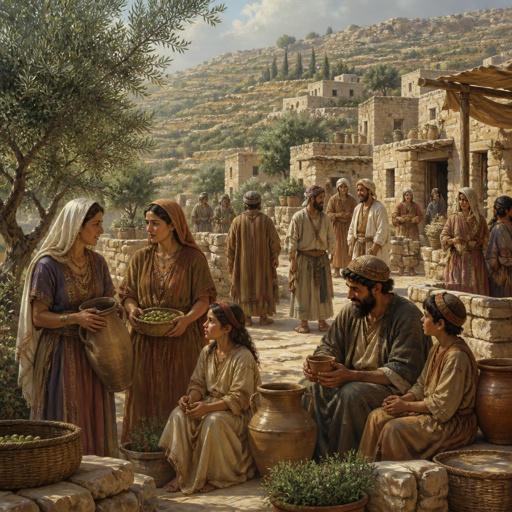
"¶ And the children of Israel dwelt among the Canaanites, Hittites, and Amorites, and Perizzites, and Hivites, and Jebusites:" - Judges 3:5

Judges 5:7

1 Corinthians 5:3 - "For I verily, as absent in body, but present in spirit, have judged already, as though I were present, concerning him that hath so done this deed,"

Judges 3:31

Judges 10:5 - "And Jair died, and was buried in Camon."

Judges 5:5 - "The mountains melted from before the LORD, even that Sinai from before the LORD God of Israel."

Judges 5:1 - "Then sang Deborah and Barak the son of Abinoam on that day, saying,"

Judges 2:5 - "And they called the name of that place Bochim: and they sacrificed there unto the LORD."

Judges 5:20 - "They fought from heaven; the stars in their courses fought against Sisera."

Judges 5:22 - "Then were the horsehoofs broken by the means of the pransings, the pransings of their mighty ones."

Zephaniah 3:3 - "Her princes within her are roaring lions; her judges are evening wolves; they gnaw not the bones till the morrow."

Judges 10:3 - "¶ And after him arose Jair, a Gileadite, and judged Israel twenty and two years."

"And Jair died, and was buried in Camon." - Judges 10:5

Judges 3:6 - "And they took their daughters to be their wives, and gave their daughters to their sons, and served their gods."

Judges 5:29 - "Her wise ladies answered her, yea, she returned answer to herself,"

Judges 5:10 - "Speak, ye that ride on white asses, ye that sit in judgment, and walk by the way."

Judges 5:2 - "Praise ye the LORD for the avenging of Israel, when the people willingly offered themselves."

Judges 1:5 - "And they found Adoni-bezek in Bezek: and they fought against him, and they slew the Canaanites and the Perizzites."

1 Corinthians 5:12 - "For what have I to do to judge them also that are without? do not ye judge them that are within?"
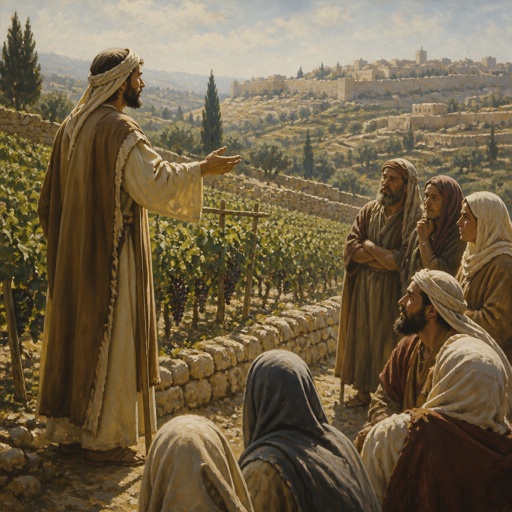
"And now, O inhabitants of Jerusalem, and men of Judah, judge, I pray you, betwixt me and my vineyard." - Isaiah 5:3

Judges 3:11 - "And the land had rest forty years. And Othniel the son of Kenaz died."

Judges 5:18 - "Zebulun and Naphtali were a people that jeoparded their lives unto the death in the high places of the field."

Judges 3:14 - "So the children of Israel served Eglon the king of Moab eighteen years."

Judges 13:3 make the Angel of the Lord male

Judges 3:3 - "Namely, five lords of the Philistines, and all the Canaanites, and the Sidonians, and the Hivites that dwelt in mount Lebanon, from mount Baal-hermon unto the entering in of Hamath."

2 Chronicles 19:5 - "¶ And he set judges in the land throughout all the fenced cities of Judah, city by city,"