What does Judges 5:3 mean?
“Hear, O ye kings; give ear, O ye princes; I, even I, will sing unto the LORD; I will sing praise to the LORD God of Israel.” — Judges 5:3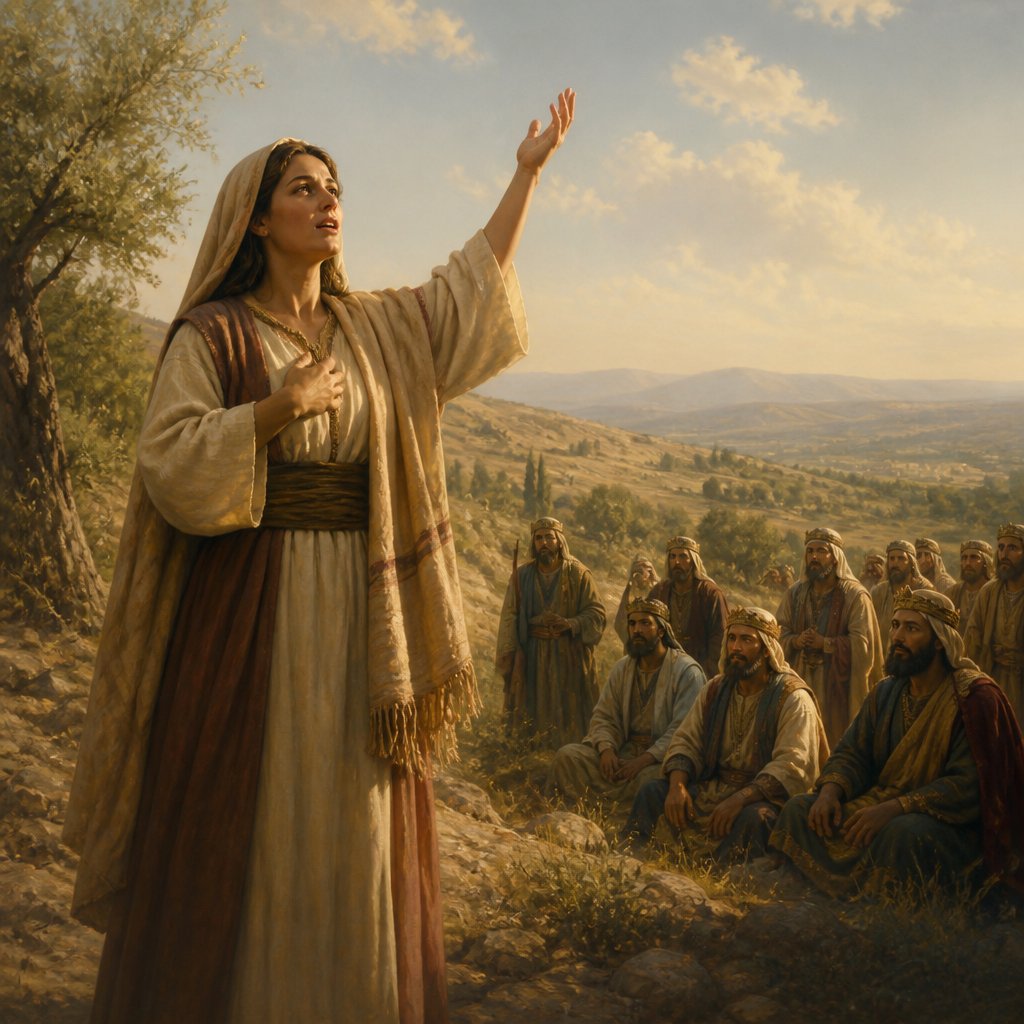
The verse Judges 5:3 in the King James Version of the Bible states, "Hear, O ye kings; give ear, O ye princes; I, even I, will sing unto the Lord; I will sing praise to the Lord God of Israel." This verse is part of a larger passage known as the "Song of Deborah," which appears in the book of Judges in the Old Testament. The Song of Deborah is a poetic composition that celebrates the victory of the Israelites over their oppressors, the Canaanites, and is traditionally attributed to the prophetess and judge Deborah.
The verse itself is a call to attention directed at the kings and princes, urging them to listen to the singer's praise of the Lord God of Israel. It is a declaration of the singer's intention to celebrate and glorify God through song. The use of repetition in "I, even I," emphasizes the personal commitment and responsibility of the singer to lead in this act of worship.
One of the key themes of this verse is the praise and worship of God. It reflects the idea of gratitude towards God for the victory he has granted his people. The verse also conveys a sense of awe and reverence for God, as the singer seeks to proclaim his praise to the royalty and leaders of the nation.
The context of Judges 5:3 is important for understanding its significance. The larger passage in which it appears, the Song of Deborah, recounts the story of the Israelites' triumph over the Canaanites under the leadership of Deborah and Barak. The song celebrates the role of God in granting victory to his people and emphasizes the power of faith and obedience.
The verse also serves as a call to leadership. By addressing the kings and princes, the singer is inviting them to join in the act of worship and praise. This reflects the idea that praise and worship of God are not only the responsibility of the individual but also the duty of those in positions of authority and influence.
Symbolically, the act of singing and praising God can be seen as a means of expressing gratitude, joy, and devotion. It represents a personal and communal acknowledgment of God's supremacy and benevolence. In the context of the larger narrative, the act of singing also serves as a form of commemoration and remembrance of the victory that God helped the Israelites achieve.
The verse can also be interpreted as a plea for unity and solidarity among the people of Israel. The call for the kings and princes to give ear to the singer's praise suggests a desire for collective acknowledgment and worship of God. This reflects the broader theme of cooperation and unity in the face of adversity, as seen in the story of the Israelites' struggle against their enemies.
In conclusion, Judges 5:3 is a powerful declaration of praise and worship, as well as a call to leadership and unity. It is a testament to the role of faith and gratitude in the face of hardship and a celebration of the power of God in granting victory. The verse stands as a reminder of the importance of communal worship and acknowledgment of God's sovereignty, as well as a testament to the enduring relevance of the Bible's teachings in guiding and inspiring believers.
Get our apps


Artwork for Judges 5:3

Judges 5:3 - "Hear, O ye kings; give ear, O ye princes; I, even I, will sing unto the LORD; I will sing praise to the LORD God of Israel."
"Hear, O ye kings; give ear, O ye princes; I, even I, will sing unto the LORD; I will sing praise to the LORD God of Israel." - Judges 5:3

Judges 3:5 - "¶ And the children of Israel dwelt among the Canaanites, Hittites, and Amorites, and Perizzites, and Hivites, and Jebusites:"

Isaiah 5:3 - "And now, O inhabitants of Jerusalem, and men of Judah, judge, I pray you, betwixt me and my vineyard."
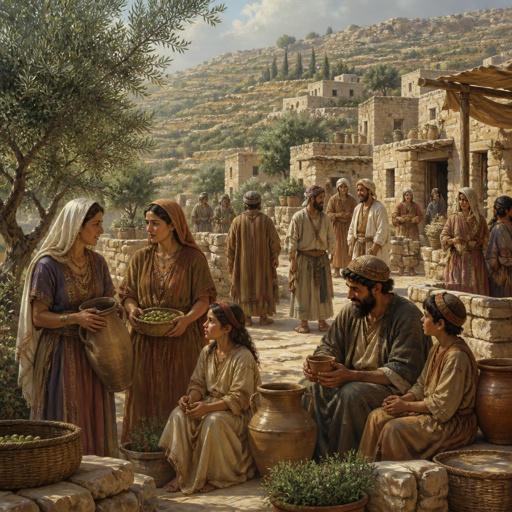
"¶ And the children of Israel dwelt among the Canaanites, Hittites, and Amorites, and Perizzites, and Hivites, and Jebusites:" - Judges 3:5

Judges 5:7

1 Corinthians 5:3 - "For I verily, as absent in body, but present in spirit, have judged already, as though I were present, concerning him that hath so done this deed,"

Judges 3:31

Judges 10:5 - "And Jair died, and was buried in Camon."

Judges 5:5 - "The mountains melted from before the LORD, even that Sinai from before the LORD God of Israel."

Judges 5:1 - "Then sang Deborah and Barak the son of Abinoam on that day, saying,"

Judges 2:5 - "And they called the name of that place Bochim: and they sacrificed there unto the LORD."

Judges 5:20 - "They fought from heaven; the stars in their courses fought against Sisera."

Judges 5:22 - "Then were the horsehoofs broken by the means of the pransings, the pransings of their mighty ones."

Zephaniah 3:3 - "Her princes within her are roaring lions; her judges are evening wolves; they gnaw not the bones till the morrow."

Judges 10:3 - "¶ And after him arose Jair, a Gileadite, and judged Israel twenty and two years."

"And Jair died, and was buried in Camon." - Judges 10:5

Judges 3:6 - "And they took their daughters to be their wives, and gave their daughters to their sons, and served their gods."

Judges 5:29 - "Her wise ladies answered her, yea, she returned answer to herself,"

Judges 5:10 - "Speak, ye that ride on white asses, ye that sit in judgment, and walk by the way."

Judges 5:2 - "Praise ye the LORD for the avenging of Israel, when the people willingly offered themselves."

Judges 1:5 - "And they found Adoni-bezek in Bezek: and they fought against him, and they slew the Canaanites and the Perizzites."

1 Corinthians 5:12 - "For what have I to do to judge them also that are without? do not ye judge them that are within?"
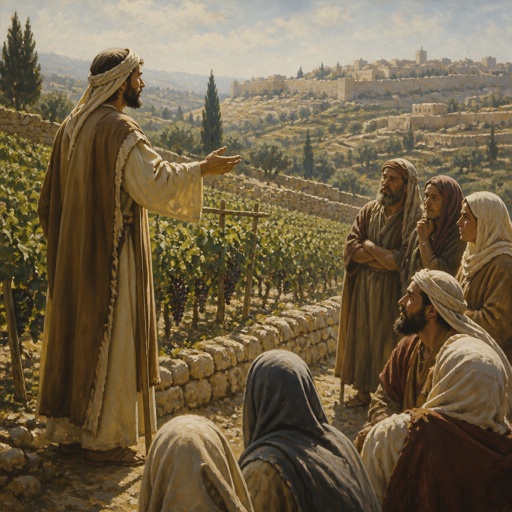
"And now, O inhabitants of Jerusalem, and men of Judah, judge, I pray you, betwixt me and my vineyard." - Isaiah 5:3

Judges 3:11 - "And the land had rest forty years. And Othniel the son of Kenaz died."

Judges 5:18 - "Zebulun and Naphtali were a people that jeoparded their lives unto the death in the high places of the field."

Judges 3:14 - "So the children of Israel served Eglon the king of Moab eighteen years."

Judges 13:3 make the Angel of the Lord male

Judges 3:3 - "Namely, five lords of the Philistines, and all the Canaanites, and the Sidonians, and the Hivites that dwelt in mount Lebanon, from mount Baal-hermon unto the entering in of Hamath."

2 Chronicles 19:5 - "¶ And he set judges in the land throughout all the fenced cities of Judah, city by city,"