The Purity of the Heart: Lessons from Leviticus 13:21
“But if the priest look on it, and, behold, there be no white hairs therein, and if it be not lower than the skin, but be somewhat dark; then the priest shall shut him up seven days:” — Leviticus 13:21
In the intricate architecture of God's commandments, the book of Leviticus stands as a testament to His concern for holiness and order. Leviticus 13:21 states, "But if the priest look on it, and, behold, there be no white hairs therein, and if it be not lower than the skin, but be somewhat dark; then the priest shall shut him up seven days." This passage, amidst its historical context of skin diseases, invites us to a deeper reflection on spiritual purity and healing—the condition of our hearts and souls.
In the ancient Israelite society, skin diseases were not merely physical ailments; they were often perceived as symbols of moral and spiritual failures. The priest's role was not just to diagnose illness but to act as a mediator between God and His people—an embodiment of holiness and a shepherd guiding his flock back to purity. The careful observation required by the priests reflects the meticulous nature of God’s holiness.
When we understand that there are "no white hairs therein" as an indicator of purity, we are reminded that God looks beyond the surface of our lives. Just like the inspection of the skin, God inspects our hearts. Are there signs of spiritual health, or are we masked with superficial appearances? The absence of white hairs signifies a lack of decay—a call for vigilance over our spiritual condition. Are we allowing sin to fester, or are we actively pursuing a life dedicated to Christ? Just as the priest’s discipline involved shutting someone up for seven days to observe the condition carefully, God sometimes places us in seasons of waiting to examine our inner selves.
The command to isolate for seven days may seem harsh, but it serves a profound purpose. It’s not just about preventing the spread of physical illness but an opportunity for reflection, re-evaluation, and, ultimately, healing. In our fast-paced society, surrounded by noise and distractions, how often do we take the time to isolate ourselves and reflect on the condition of our hearts? Are we willing to step back and allow God to search us, to shine His light into the dark corners of our lives? Psalm 139:23-24 echoes this sentiment: "Search me, O God, and know my heart: try me, and know my thoughts: and see if there be any wicked way in me, and lead me in the way everlasting."
Moreover, the reference to being "somewhat dark" speaks to the complexity of our human condition. It acknowledges that not everything is black and white. Our struggles, doubts, and imperfections may cause our spiritual condition to appear dim, but it is in these very moments that God’s grace shines brightest. Hebrews 4:15 reminds us that we do not have a high priest who cannot sympathize with our weaknesses, but one who has been tempted in all things as we are, yet without sin. He understands our struggles; He knew that we would walk through seasons of darkness and confusion. Just as the priest offered guidance, Christ provides direction, shepherding us through our spiritual valleys.
Practical application of this scripture involves taking intentional steps to bring our hearts into alignment with God’s holiness. It requires daily examination; asking challenging questions about our motivations, our actions, and our relationships. It is about recognizing that God’s call to purity is not punitive but rather protective. In His infinite wisdom, He desires for us to be aligned with His will, free from the burdens of sin that entrap and ensnare.
In closing, Leviticus 13:21 is a powerful reminder that God values the purity of our hearts. As we engage with this scripture, let’s commit to regular self-examination, embrace solitude for reflection, and trust in God’s grace to heal our spiritual ailments. Let us allow Him to purify our hearts, ensuring that we are vessels of His holiness in a world that desperately needs His light.
Get our apps


Artwork for Leviticus 13:21

Leviticus 13:21 - "But if the priest look on it, and, behold, there be no white hairs therein, and if it be not lower than the skin, but be somewhat dark; then the priest shall shut him up seven days:"

"But if the priest look on it, and, behold, there be no white hairs therein, and if it be not lower than the skin, but be somewhat dark; then the priest shall shut him up seven days:" - Leviticus 13:21

Leviticus 21:13 - "And he shall take a wife in her virginity."

"And he shall take a wife in her virginity." - Leviticus 21:13

Habakkuk 2:1-3

Leviticus 23:21

Leviticus 23:21

Leviticus 23:21

Leviticus 23:21

Leviticus 23:21

Leviticus 23:21

Leviticus 21:19 - "Or a man that is brokenfooted, or brokenhanded,"

Leviticus 21:16 - "¶ And the LORD spake unto Moses, saying,"

"Or a man that is brokenfooted, or brokenhanded," - Leviticus 21:19

Leviticus 24:13 - "And the LORD spake unto Moses, saying,"

Leviticus 13:1 - "And the LORD spake unto Moses and Aaron, saying,"

Leviticus 21:22 - "He shall eat the bread of his God, both of the most holy, and of the holy."

Leviticus 21:24 - "And Moses told it unto Aaron, and to his sons, and unto all the children of Israel."

Leviticus 13:35 - "But if the scall spread much in the skin after his cleansing;"

Luke 13:20-21

Luke 13:20-21
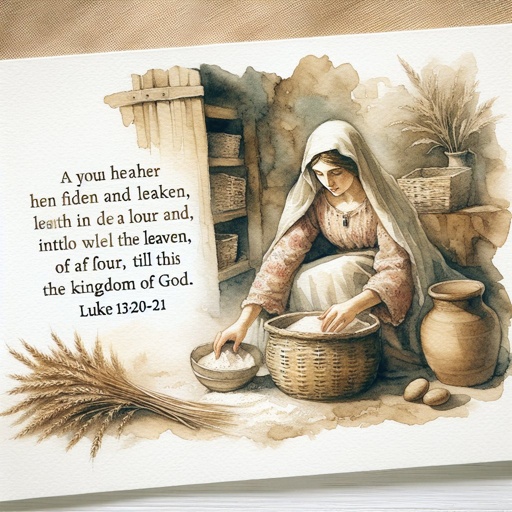
Luke 13:20-21

Leviticus 13:29 - "¶ If a man or woman have a plague upon the head or the beard;"

Leviticus 9:21 - "And the breasts and the right shoulder Aaron waved for a wave offering before the LORD; as Moses commanded."

Leviticus 13:18 - "¶ The flesh also, in which, even in the skin thereof, was a boil, and is healed,"

Luke 13:20-21

Luke 13:20-21

Leviticus 13:14 - "But when raw flesh appeareth in him, he shall be unclean."

Leviticus 21:4 - "But he shall not defile himself, being a chief man among his people, to profane himself."

Leviticus 21:20 - "Or crookbackt, or a dwarf, or that hath a blemish in his eye, or be scurvy, or scabbed, or hath his stones broken;"