What does Leviticus 13:21 mean?
“But if the priest look on it, and, behold, there be no white hairs therein, and if it be not lower than the skin, but be somewhat dark; then the priest shall shut him up seven days:” — Leviticus 13:21
Leviticus 13:21 (KJV) states, "But if the priest look on it, and behold, there be no white hairs therein, and if it be not lower than the skin, but be somewhat dark; then the priest shall shut him up seven days."
This verse comes from the book of Leviticus, which is the third book of the Hebrew Bible and the Old Testament. It is a book of laws and regulations given to the Israelites by God through Moses. The book of Leviticus deals with various aspects of ceremonial and moral laws, including instructions for worship, cleanliness, health, and social justice.
In Leviticus 13, the chapter focuses on the identification and treatment of skin diseases, including leprosy. Leprosy was a serious and highly contagious disease in ancient times, and the Israelites were given detailed instructions on how to identify, isolate, and treat those who had the disease. This was not only for the health of the individual but also for the protection of the community as a whole.
In verse 21, the specific case mentioned is when a person has a skin condition, and the priest examines it. If there are no white hairs in the affected area and it is not deeper than the skin but appears somewhat dark, the individual is to be isolated for seven days. This period of isolation would allow for observation to see if the condition worsened, improved, or stayed the same. It also prevented the potential spread of any contagious disease.
The symbolism and significance of this verse can be interpreted in several ways. One interpretation is the importance of thorough examination and discernment. The priest's careful examination of the skin condition before making a judgment reflects the need for discernment and careful consideration before making decisions or judgments in our own lives. It reminds us to be diligent in our observations and not jump to conclusions.
Additionally, the idea of isolation within the context of infectious diseases offers a broader lesson about the importance of taking precautions to prevent harm to oneself and others. This principle can be applied to various areas of life, such as avoiding harmful behaviors or distancing oneself from negative influences. It also speaks to the responsibility we have to protect the well-being of others by taking appropriate measures to prevent the spread of harm.
Furthermore, the focus on the physical examination and the actions of the priest reflect the intersection of faith and practicality in the Israelite community. The role of the priest as a spiritual leader and healer demonstrates the close connection between faith and physical well-being in the ancient world. This verse highlights the importance of both faith and practical action in addressing issues of health and healing.
In a broader context, this verse and the surrounding passages in Leviticus 13 also serve as a reminder of the value and sanctity of life. The careful attention given to the diagnosis and treatment of diseases underscores the importance of preserving life and health within the community. It emphasizes the worth of every individual and the duty to care for one another's well-being.
In conclusion, Leviticus 13:21 addresses the careful examination and isolation of individuals with potential skin diseases within the context of ancient Israelite society. The verse offers insights into the importance of discernment, precaution, and the preservation of life, as well as the integration of faith and practical action. While the specific regulations may not directly apply to modern contexts, the underlying principles of care, discernment, and responsibility remain relevant moral and spiritual lessons for today.
Get our apps


Artwork for Leviticus 13:21

Leviticus 13:21 - "But if the priest look on it, and, behold, there be no white hairs therein, and if it be not lower than the skin, but be somewhat dark; then the priest shall shut him up seven days:"

"But if the priest look on it, and, behold, there be no white hairs therein, and if it be not lower than the skin, but be somewhat dark; then the priest shall shut him up seven days:" - Leviticus 13:21

Leviticus 21:13 - "And he shall take a wife in her virginity."

"And he shall take a wife in her virginity." - Leviticus 21:13

Habakkuk 2:1-3

Leviticus 23:21

Leviticus 23:21

Leviticus 23:21

Leviticus 23:21

Leviticus 23:21

Leviticus 23:21

Leviticus 21:19 - "Or a man that is brokenfooted, or brokenhanded,"

Leviticus 21:16 - "¶ And the LORD spake unto Moses, saying,"

"Or a man that is brokenfooted, or brokenhanded," - Leviticus 21:19

Leviticus 24:13 - "And the LORD spake unto Moses, saying,"

Leviticus 13:1 - "And the LORD spake unto Moses and Aaron, saying,"

Leviticus 21:22 - "He shall eat the bread of his God, both of the most holy, and of the holy."

Leviticus 21:24 - "And Moses told it unto Aaron, and to his sons, and unto all the children of Israel."

Leviticus 13:35 - "But if the scall spread much in the skin after his cleansing;"

Luke 13:20-21

Luke 13:20-21
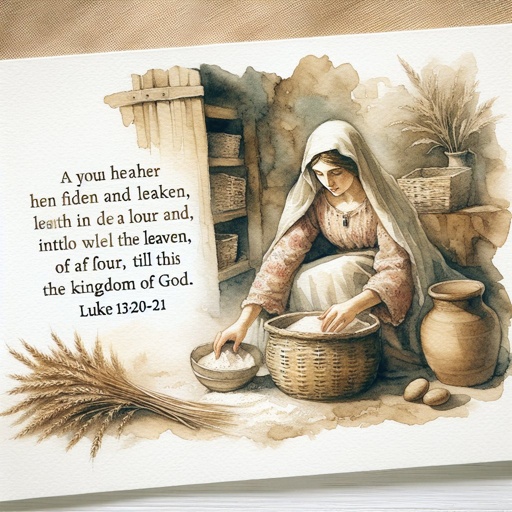
Luke 13:20-21

Leviticus 13:29 - "¶ If a man or woman have a plague upon the head or the beard;"

Leviticus 9:21 - "And the breasts and the right shoulder Aaron waved for a wave offering before the LORD; as Moses commanded."

Leviticus 13:18 - "¶ The flesh also, in which, even in the skin thereof, was a boil, and is healed,"

Luke 13:20-21

Luke 13:20-21

Leviticus 13:14 - "But when raw flesh appeareth in him, he shall be unclean."

Leviticus 21:4 - "But he shall not defile himself, being a chief man among his people, to profane himself."

Leviticus 21:20 - "Or crookbackt, or a dwarf, or that hath a blemish in his eye, or be scurvy, or scabbed, or hath his stones broken;"