The Call for Perfection: Understanding Our Offerings to God
“And whosoever offereth a sacrifice of peace offerings unto the LORD to accomplish his vow, or a freewill offering in beeves or sheep, it shall be perfect to be accepted; there shall be no blemish therein.” — Leviticus 22:21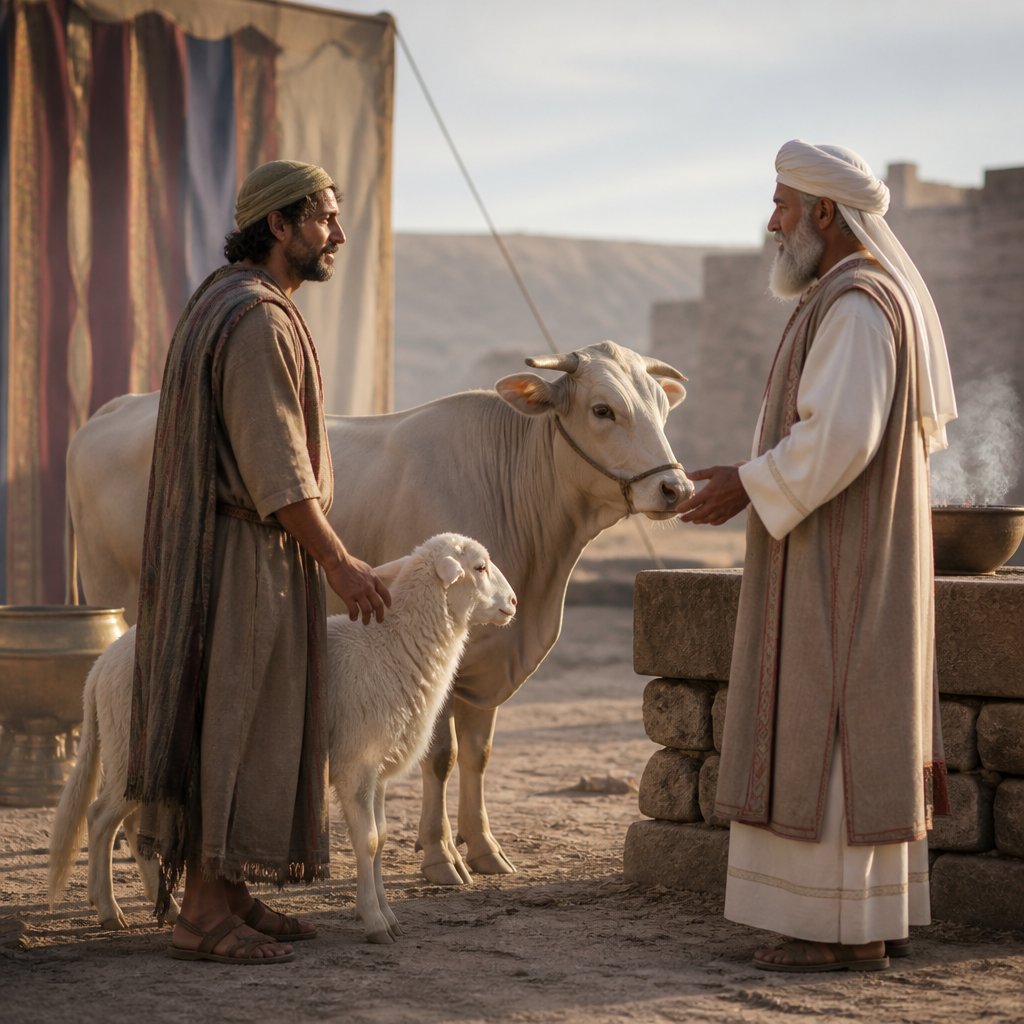
In Leviticus 22:21, we read: "And whosoever offereth a sacrifice of peace offerings unto the LORD to accomplish his vow, or a freewill offering in beeves or sheep, it shall be perfect to be accepted; there shall be no blemish therein." This verse encapsulates the essence of what it means to offer something to God—not just within the context of ancient Israel but as a practice that remains vital for our lives today.
As we delve into the significance of peace offerings, it's crucial to note that these were not just any sacrifices. They were made voluntarily, stemming from a believer's gratitude or a desire to fulfill a vow made to the Lord. This underscores the idea that our offerings should be given out of genuine love and thankfulness to God. This invokes the question: Are we bringing our offerings to God as a formality, or are our hearts genuinely involved?
When the writer of Leviticus emphasizes that the sacrifice must be "without blemish," he is setting a standard of perfection that reflects the character of God Himself. God is perfect, and thus, anything offered to Him should also reflect His holiness. This raises a deep spiritual principle—we are to give our best to God. He deserves nothing less.
In a world where mediocrity is often accepted, this call for perfection can seem daunting. It is easy to justify half-hearted efforts, particularly when distractions abound. Yet, God challenges us not just to give our leftover time, resources, or energy; He invites us to bring Him our best, showing heartfelt devotion in our actions.
This teaching can translate into various aspects of our lives. From how we spend our time to how we treat others, the principle of bringing a "perfect" offering remains. For instance, in our work, we are encouraged to perform wholeheartedly as if serving the Lord directly (Colossians 3:23). How often do we cut corners or allow distractions to undermine our contributions? In relationships, are we quick to forgive and love unconditionally, or do we allow imperfections to fester? The call to offer "blemish-free" sacrifices encourages reflection on our commitments to both God and others.
Furthermore, this idea of perfection in offerings is not limited to the material. Our emotional and spiritual states also play crucial roles. Have we offered up our fears, doubts, or guilt in true surrender to God? Are we hesitant to offer those parts of ourselves to Him because we fear they are flawed? We must remember that God does not seek perfection in our own strength but delights in our willingness to come to Him.
When we note that the offerings were often peace offerings, we are reminded that our relationship with God rests upon peace. How does offering God our best foster peace in our hearts? When we prioritize God in our offerings, it aligns our lives with His will, creating an inner calm that surpasses worldly understanding.
Moreover, as we strive for perfection, we must acknowledge that it leads us to rely on God’s grace. We cannot achieve perfection on our own; through Christ, we find the ultimate peace offering who makes our sacrifices acceptable before God. In Romans 12:1, Paul urges us to present our bodies as living sacrifices, holy and acceptable to God, which is our spiritual worship. Therefore, our sacrifices are not solely based on material worth but are also tied to our intents, attitudes, and relationship with God.
In conclusion, Leviticus 22:21 serves as a profound reminder that our peace offerings—be they acts of kindness, service, or worship—should aim for a standard reflective of God’s glory. Let us not shy away from offering our best to the One who gave His all for us. May we commit to examining our hearts, discarding blemished offerings, and striving towards the perfection that is found through our faith in Christ. Through Him, we can offer a sacrifice that is indeed perfect and acceptable.
Get our apps


Artwork for Leviticus 22:21

Leviticus 22:21 - "And whosoever offereth a sacrifice of peace offerings unto the LORD to accomplish his vow, or a freewill offering in beeves or sheep, it shall be perfect to be accepted; there shall be no blemish therein."
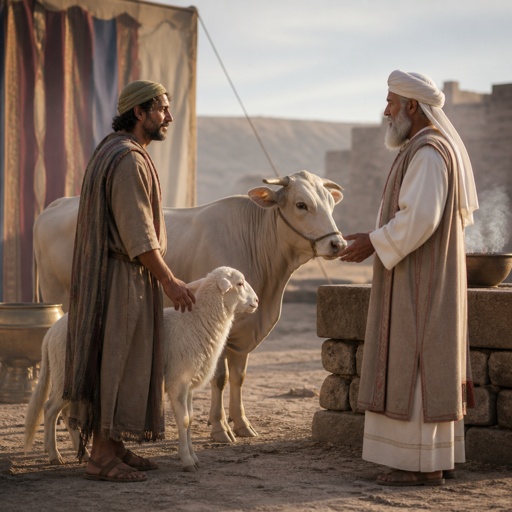
"And whosoever offereth a sacrifice of peace offerings unto the LORD to accomplish his vow, or a freewill offering in beeves or sheep, it shall be perfect to be accepted; there shall be no blemish therein." - Leviticus 22:21

Leviticus 21:22 - "He shall eat the bread of his God, both of the most holy, and of the holy."
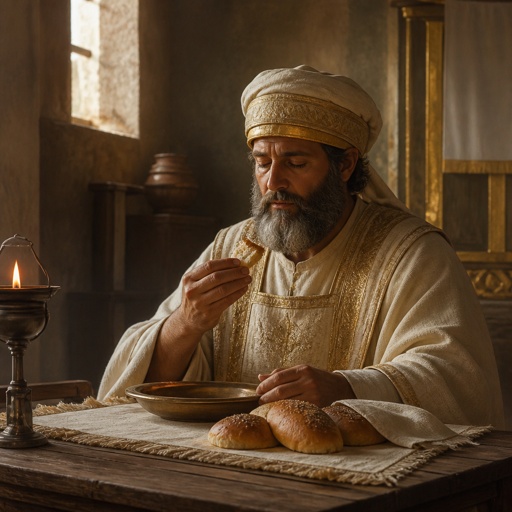
"He shall eat the bread of his God, both of the most holy, and of the holy." - Leviticus 21:22
Leviticus 11:22

Leviticus 23:21

Leviticus 23:21

Leviticus 23:21

Leviticus 23:21

Leviticus 23:21

Leviticus 23:21

Leviticus 21:19 - "Or a man that is brokenfooted, or brokenhanded,"

Leviticus 23:15-22

Leviticus 23:17-22

Leviticus 22:17 - "¶ And the LORD spake unto Moses, saying,"

Leviticus 7:22 - "¶ And the LORD spake unto Moses, saying,"

Leviticus 22:1 - "And the LORD spake unto Moses, saying,"

Leviticus 22:26 - "¶ And the LORD spake unto Moses, saying,"

Leviticus 21:16 - "¶ And the LORD spake unto Moses, saying,"

Leviticus 18:22 - "Thou shalt not lie with mankind, as with womankind: it is abomination."

Leviticus 21:13 - "And he shall take a wife in her virginity."

Matthew 9:21-22

Leviticus 20:22-26 simple picture

Picture to summarize Leviticus 20:22-26

Matthew 9:21-22

Matthew 9:21-22

Matthew 9:21-22

Matthew 9:21-22

"Or a man that is brokenfooted, or brokenhanded," - Leviticus 21:19

Genesis 21:22